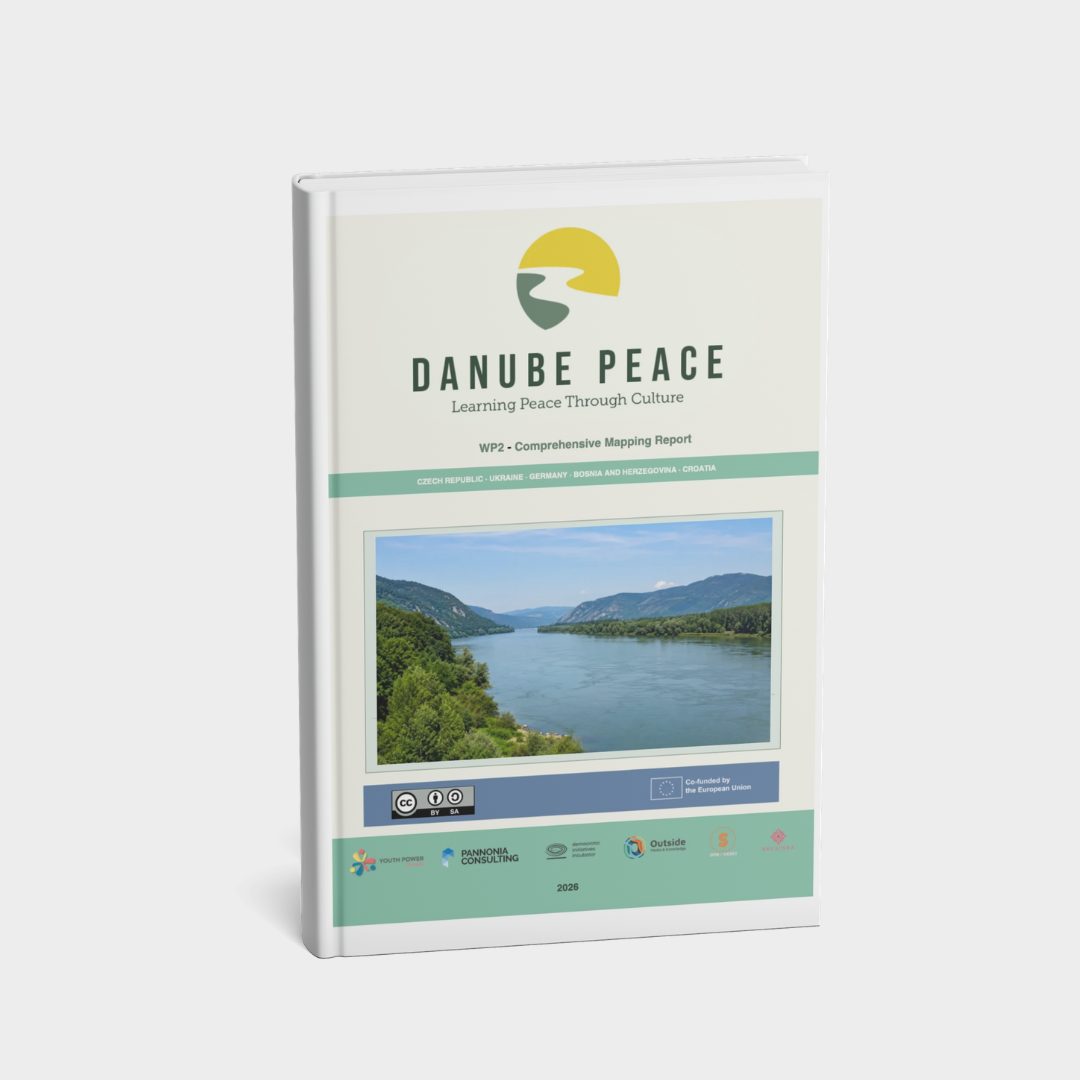
DANUBE PEACE – Comprehensive Mapping Report

DANUBE PEACE – Comprehensive Mapping Report

Discover the DANUBE PEACE - Comprehensive Mapping Report

How can education and culture help communities strengthen dialogue, inclusion, and social cohesion?


The DANUBE PEACE Comprehensive Mapping Report explores the current state of peace education in the Czech Republic, Ukraine, Germany, Bosnia and Herzegovina, and Croatia. Drawing on expert interviews, focus groups, national surveys, case studies, and resource mapping, it identifies existing initiatives, successful practices, unmet needs, and barriers affecting peacebuilding work across the region.


The report highlights challenges such as social polarisation, declining trust, misinformation, displacement, limited opportunities for dialogue, and insufficient long-term support for educators and community organisations. It also demonstrates the potential of culture, storytelling, participatory arts, intercultural learning, and intergenerational exchange to bring people together and build more resilient communities.


Designed for educators, cultural actors, civil society organisations, community leaders, policymakers, and organisations working with displaced people, the report provides practical recommendations and a roadmap for strengthening peace education throughout the Danube region.


Read and download the full report below to explore the findings, country perspectives, good practices, and recommendations.
Funded by the European Union. Views and opinions expressed are however those of the author(s) only and do not necessarily reflect those of the European Union or the European Education and Culture Executive Agency (EACEA). Neither the European Union nor EACEA can be held responsible for them.
Share this post

Facebook
Twitter
LinkedIn

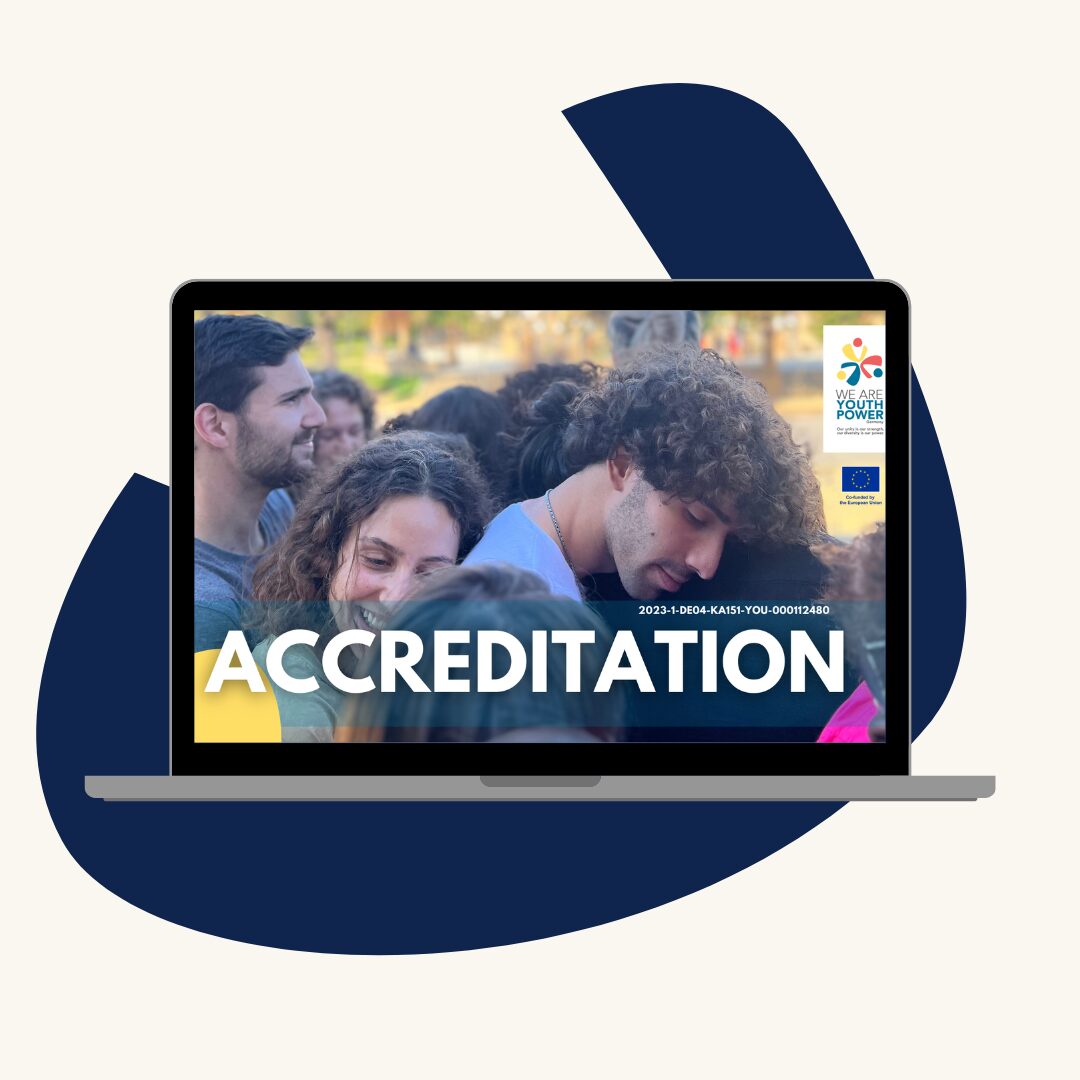
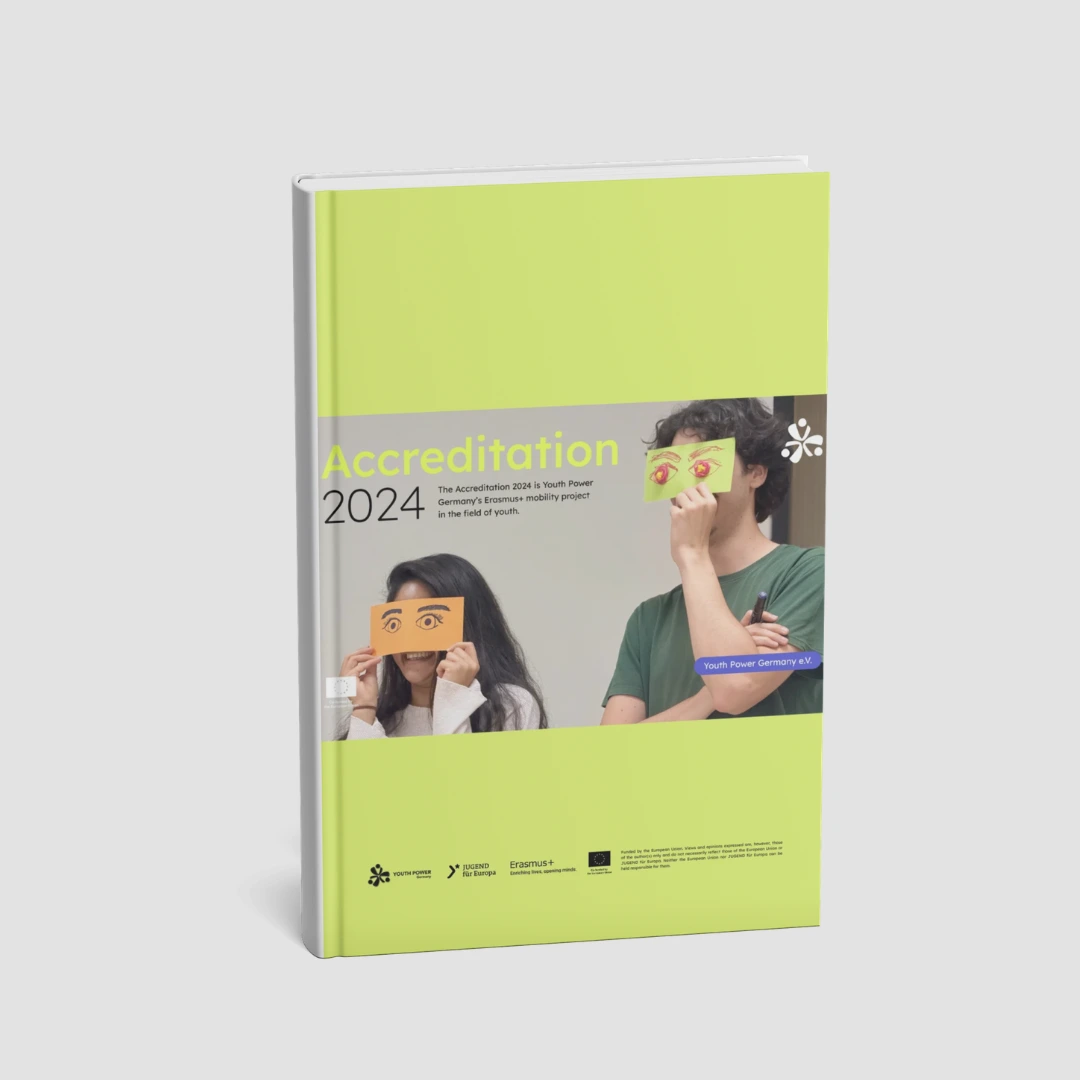
Booklet: Accreditation 2024

Professional development Activities & Youth Exchanges

Booklet: Accreditation 2024

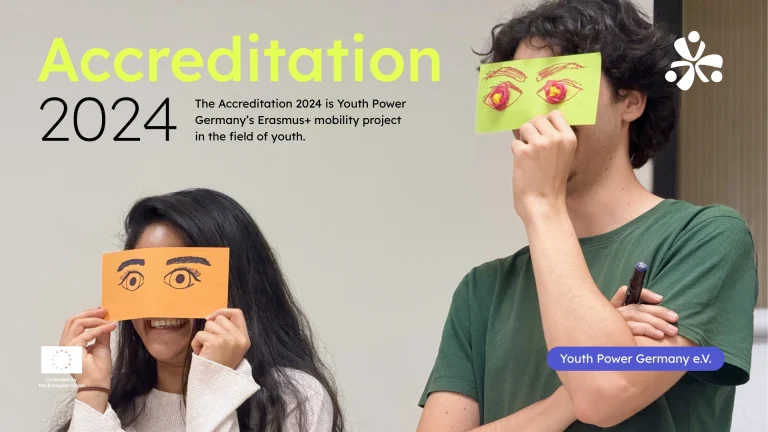
Discover Our Accreditation 2024 Journey

Over the past years, Youth Power Germany has created spaces where young people and youth workers could meet, learn, question, create and grow together.


Our new Accreditation 2024 booklet brings these experiences into one place. It shares the stories behind our training courses and youth exchanges, the themes we explored, the people who took part and the ideas that emerged along the way.

Inside, you will discover activities focused on wellbeing, inclusion, human rights, youth participation, volunteering, employability, digital learning and much more. You will also find participant reflections, moments from the activities and examples of how international learning can continue to create impact long after everyone returns home.


This booklet is a celebration of the people, partnerships and shared experiences that shaped the project—and an invitation to discover what meaningful youth work can look like in practice.

Why continuing this project matters

Continuing our Erasmus+ Accreditation means continuing to create safe, inclusive and meaningful learning opportunities for young people and youth workers. It allows us to build on what we have already achieved, strengthen long-term partnerships and respond to new challenges affecting young people and their communities.


For Youth Power Germany, this is not only about organising more activities. It is about improving the quality of our youth work, reaching people with fewer opportunities and giving participants the confidence, skills and international connections they need to create change in their own realities.


Each new activity becomes part of a longer journey, where learning is shared, ideas grow into action and international cooperation creates lasting impact.

Take a look inside and get to know the journey behind Accreditation 2024.

Funded by the European Union. Views and opinions expressed are, however, those of the author(s) only and do not necessarily reflect those of the European Union or JUGEND für Europa. Neither the European Union nor JUGEND für Europa can be held responsible for them.

Share this post

Facebook
Twitter
LinkedIn

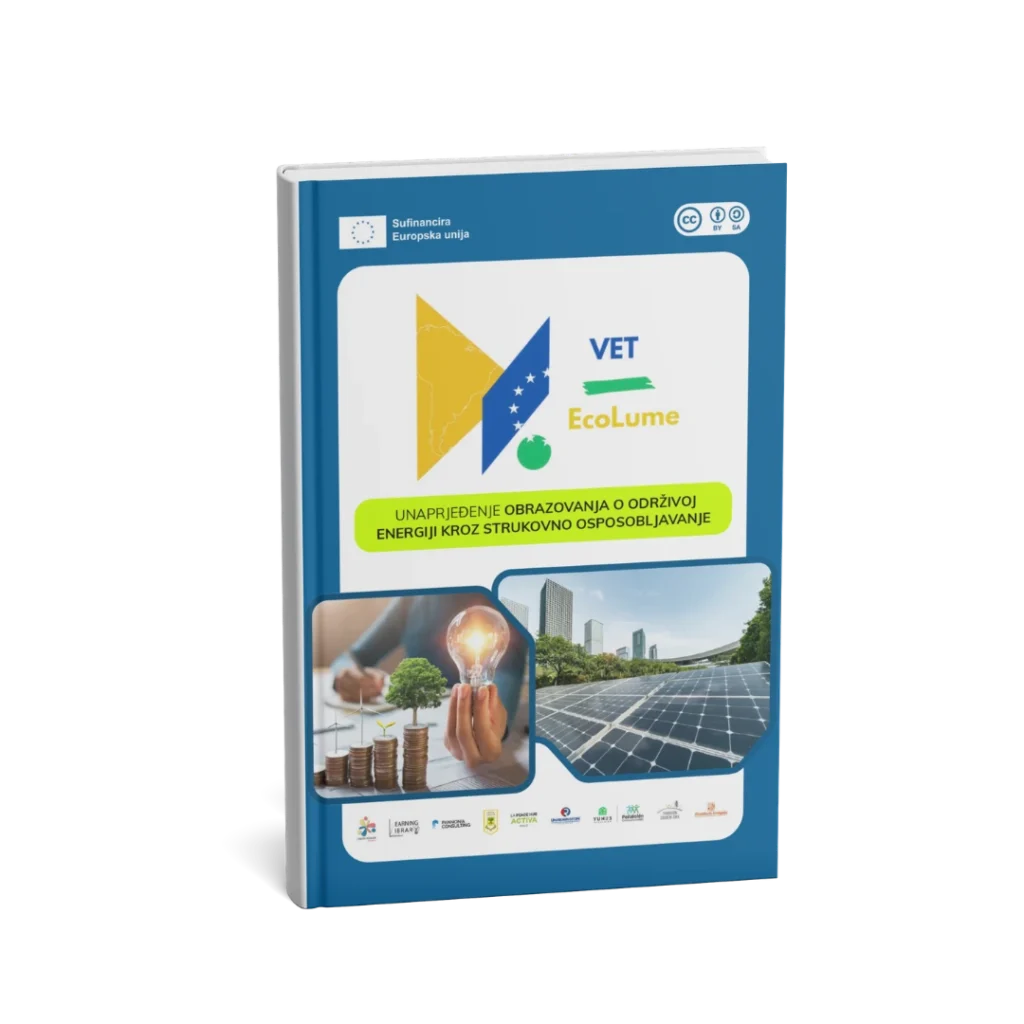
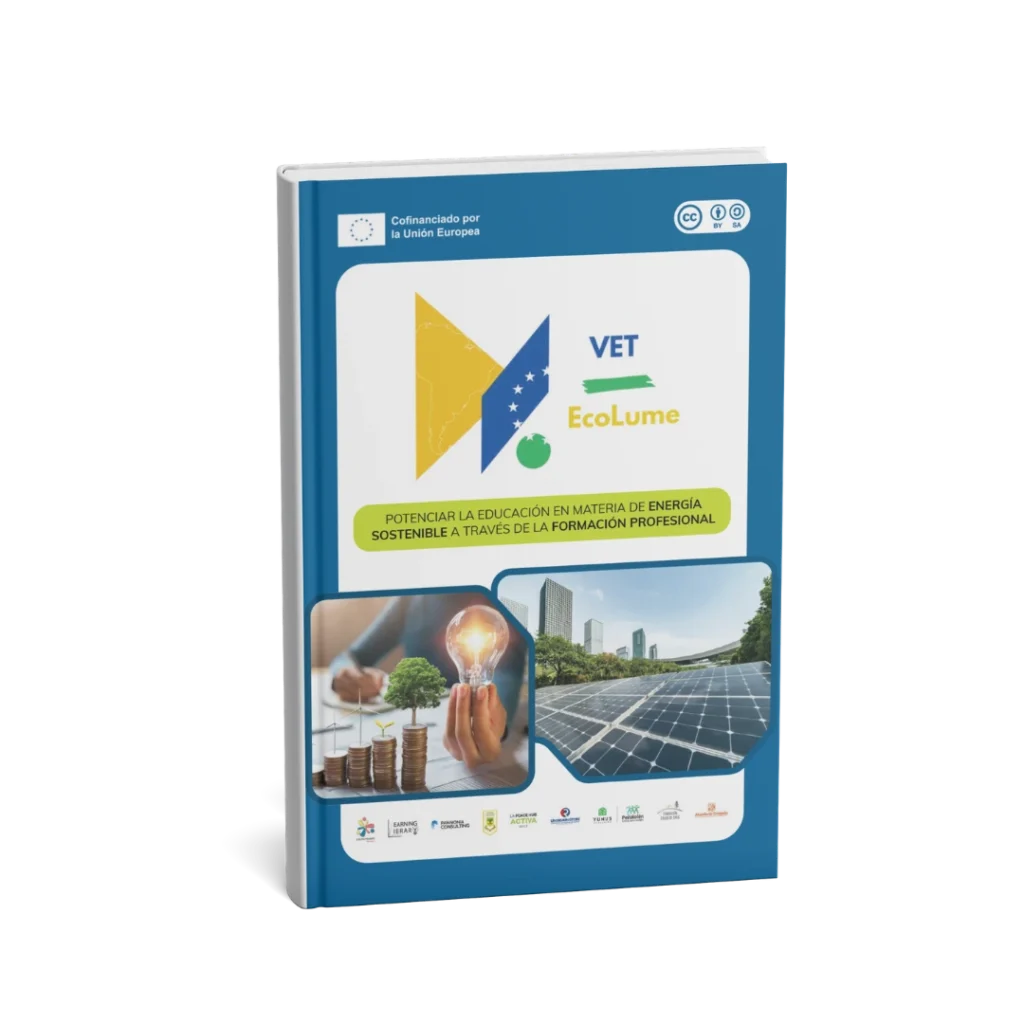
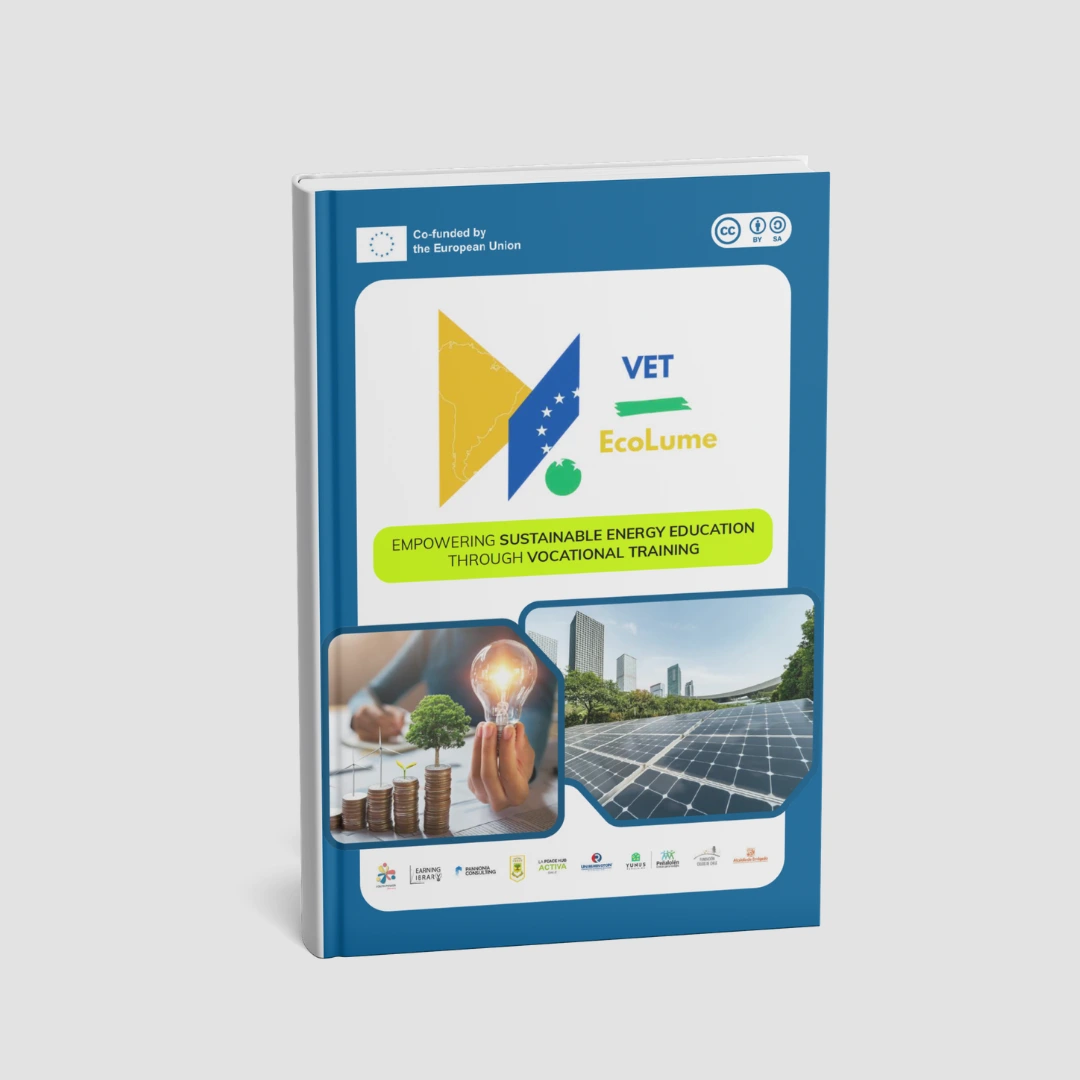
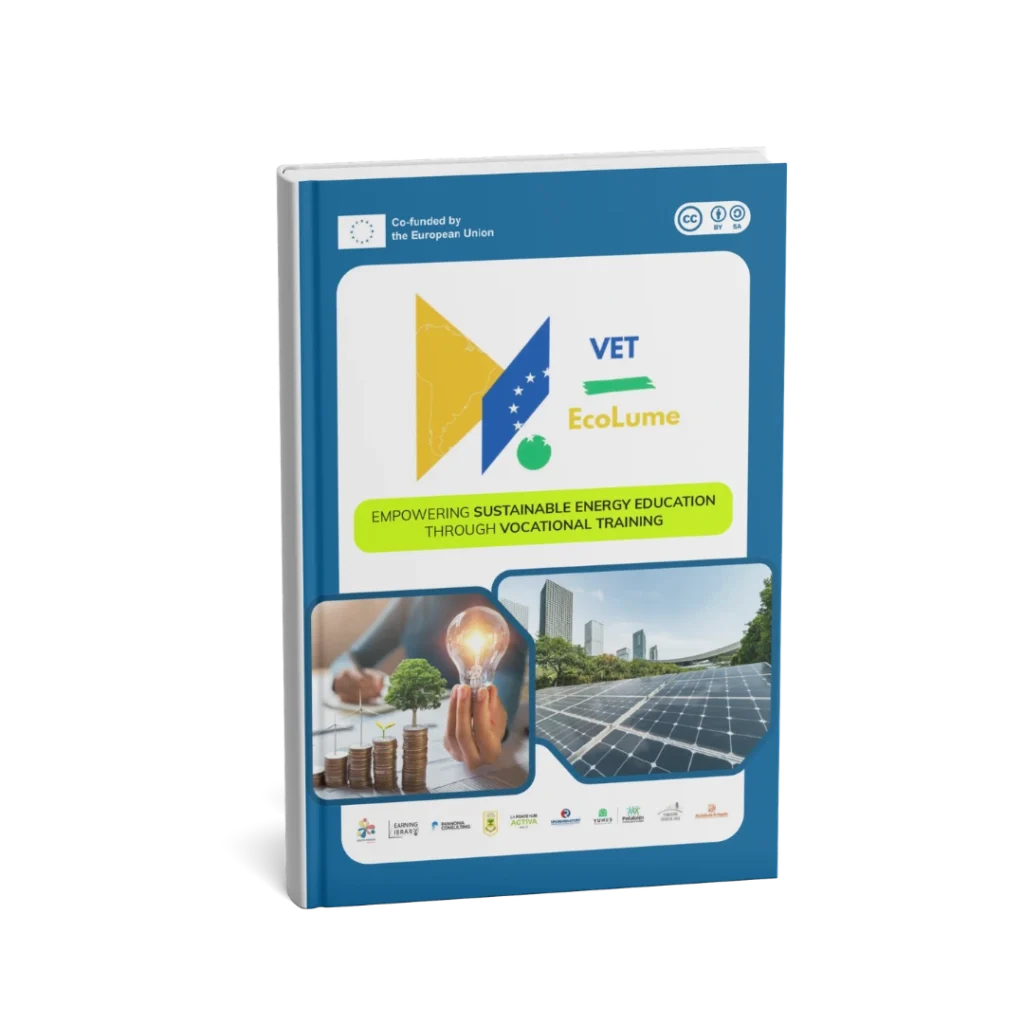
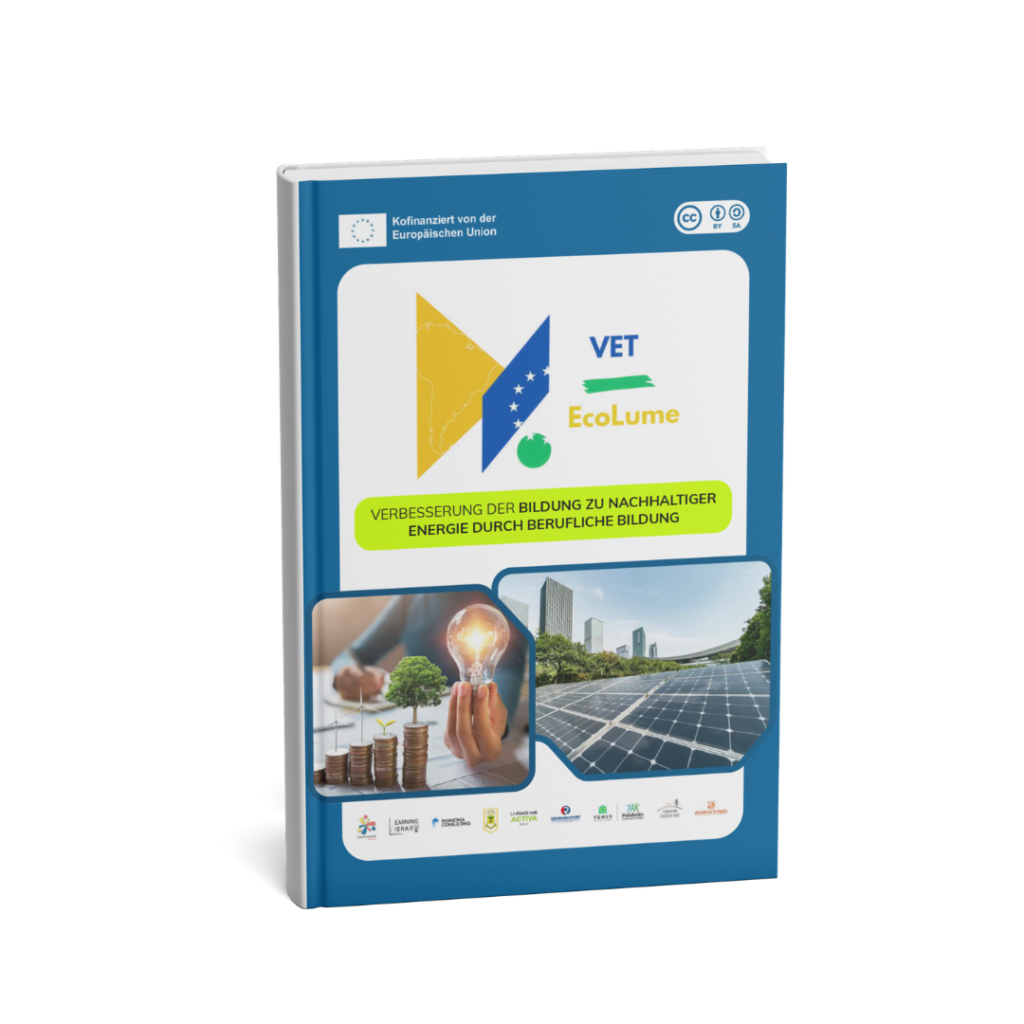
EcoLume Instruction Manual: Enhancing education on sustainable energy through Vocational Training

EcoLume Instruction Manual: Enhancing education on sustainable energy through Vocational Training

Description

The EcoLume Instruction Manual is a comprehensive vocational training resource developed to support educators, trainers, and institutions in delivering high-quality learning on light pollution mitigation. It provides a structured curriculum with clearly defined learning objectives, pedagogical guidance, practical exercises, case studies, digital tools, and assessment frameworks.


The manual combines theoretical foundations with hands-on, work-based learning and independent study. It guides trainers in creating inclusive and adaptable learning environments, applying sustainable lighting principles (utility, direction, control, intensity, and color), and supporting participants in diagnosing, monitoring, and designing solutions to reduce light pollution.


Designed for flexibility, the resource can be implemented in formal VET programs, continuing education initiatives, or community-based training contexts. It empowers learners to develop ecological, technical, and communication skills that contribute to protecting biodiversity, human health, and the night sky while promoting sustainable development in their territories.

This manual is available in more 4 Languages:

VET EcoLume Project


VET EcoLume is an international EU-funded project that addresses light pollution through vocational education and training. The project develops an innovative curriculum and online learning platform to train future Light Pollution Mitigation Specialists, equipping them with green and digital skills to design sustainable lighting solutions.

By combining education, practical tools, and international collaboration, VET EcoLume contributes to protecting biodiversity, human health, and the night sky while promoting sustainable development in communities.

Funded by the European Union. Views and opinions expressed are however those of the author(s) only and do not necessarily reflect those of the European Union or the European Education and Culture Executive Agency (EACEA). Neither the European Union nor EACEA can be held responsible for them.

Share this post

Facebook
Twitter
LinkedIn

Research/Report: Youth, Culture & Policy – Key Insights from the Comparative Report


Research/Report: Youth, Culture & Policy – Key Insights from the Comparative Report

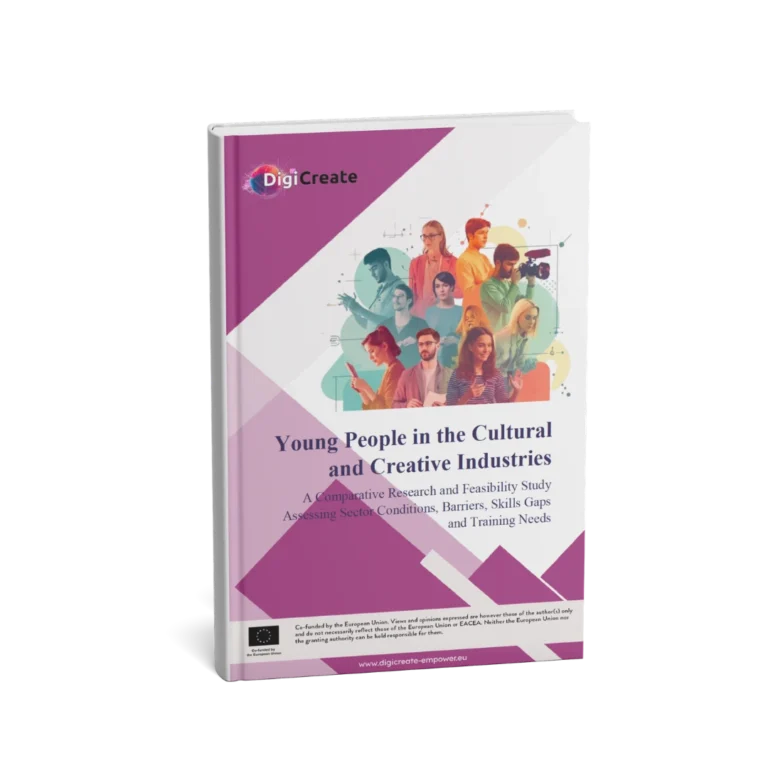
The DigiCreate Research Report explores how policies, funding structures, and inclusion frameworks influence youth engagement in Cultural and Creative Industries (CCI) across six European and Western Balkan countries.

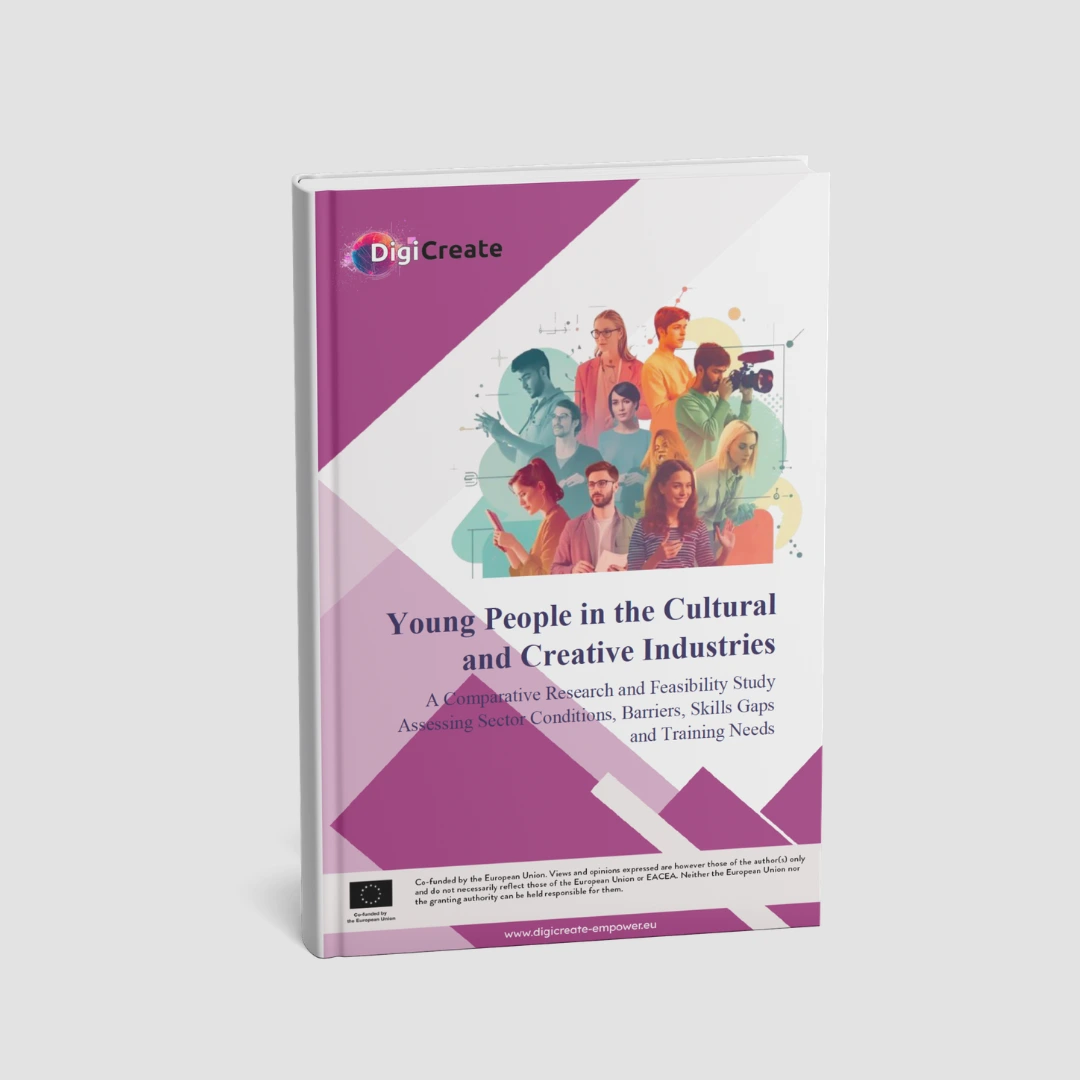
Young People in the Cultural and Creative Industries - A Comparative Research & Feasibility Study

This publication offers a comprehensive and insightful exploration of how young people navigate the Cultural and Creative Industries (CCI) across Europe. Developed within the framework of the DigiCreate – Intercultural Digital Dialogue and Networking in Cultural and Creative Industries for Young People project (Erasmus+ Virtual Exchanges), the report brings together research, lived experiences, and comparative analysis from six countries: Germany, Spain, Portugal, Serbia, Montenegro, and Bosnia and Herzegovina.


Grounded in extensive desk research, a large-scale survey with more than 700 young creatives, national focus groups, and a detailed feasibility study, the report provides a nuanced understanding of:

  • Employment realities and career pathways in CCIs

  • Digital, entrepreneurial, and soft skills gaps

  • Barriers to sustainable and inclusive creative careers

  • Regional disparities and access to opportunities

  • The potential of digital mentoring and virtual exchange models


More than a statistical overview, this study captures the aspirations, challenges, and resilience of a generation shaping the future of Europe’s creative landscape. It offers valuable insights for youth organisations, policymakers, educators, cultural professionals, researchers, and anyone committed to strengthening youth participation and innovation in the cultural and creative sector.

This resource serves as both an evidence-based analysis and a practical foundation for designing more inclusive, sustainable, and forward-looking creative ecosystems.

Funded by the European Union. Views and opinions expressed are however those of the author(s) only and do not necessarily reflect those of the European Union or the European Education and Culture Executive Agency (EACEA). Neither the European Union nor EACEA can be held responsible for them.

Share this post

Facebook
Twitter
LinkedIn

Understanding What Young Creatives Need: Key Insights from the DigiCreate Survey & Focus Groups

Understanding What Young Creatives Need: Key Insights from the DigiCreate Survey & Focus Groups

Description

Understanding What Young Creatives Need: Key Insights from the DigiCreate Survey & Focus Groups


The official DigiCreate Survey & Focus Group Report is now published, consolidating insights from 90 young people in the Cultural & Creative Industry (CCI) across Germany, Spain, Portugal, Serbia, Bosnia & Herzegovina, and Montenegro.


The aim: to better understand the digital and creative skills landscape and identify what young creators need to succeed.


Young creators want practical, hands-on learning

Participants consistently expressed a preference for training that is concrete, applicable, and closely connected to real creative work. Practice-first formats—such as workshops, project tasks, and demonstrations—were viewed as the most effective.


Digital and emerging technology skills remain a critical gap

While many young people possess basic digital literacy, the report shows strong demand for more advanced skills, including:

  • digital content production and editing

  • AI-assisted creative work

  • social media strategy

  • immersive and emerging technologies


Community, collaboration, and visibility are essential

A recurring theme was the lack of peer connection. Young participants want:

  • collaborative spaces

  • mentorship opportunities

  • platforms to share their work and gain recognition


Flexibility in learning formats

Hybrid models, micro-learning, and modular courses were highlighted as the most suitable options for young people balancing studies, work, or freelance projects.


Persistent barriers

The report identifies several structural challenges, including:

  • limited access to creative tools and software

  • financial constraints

  • lack of structured guidance or mentorship

  • digital inequalities between regions


What this means for DigiCreate

These insights will directly inform the development of the DigiCreate training modules and the Online Creative Hive Toolbox—a multilingual, open-access resource designed to strengthen creative and digital confidence and support young people navigating Europe’s evolving creative landscape.

Funded by the European Union. Views and opinions expressed are however those of the author(s) only and do not necessarily reflect those of the European Union or the European Education and Culture Executive Agency (EACEA). Neither the European Union nor EACEA can be held responsible for them.

Share this post

Facebook
Twitter
LinkedIn

Toolkit: Combat Tokenism 

Toolkit: Combat Tokenism 

Description

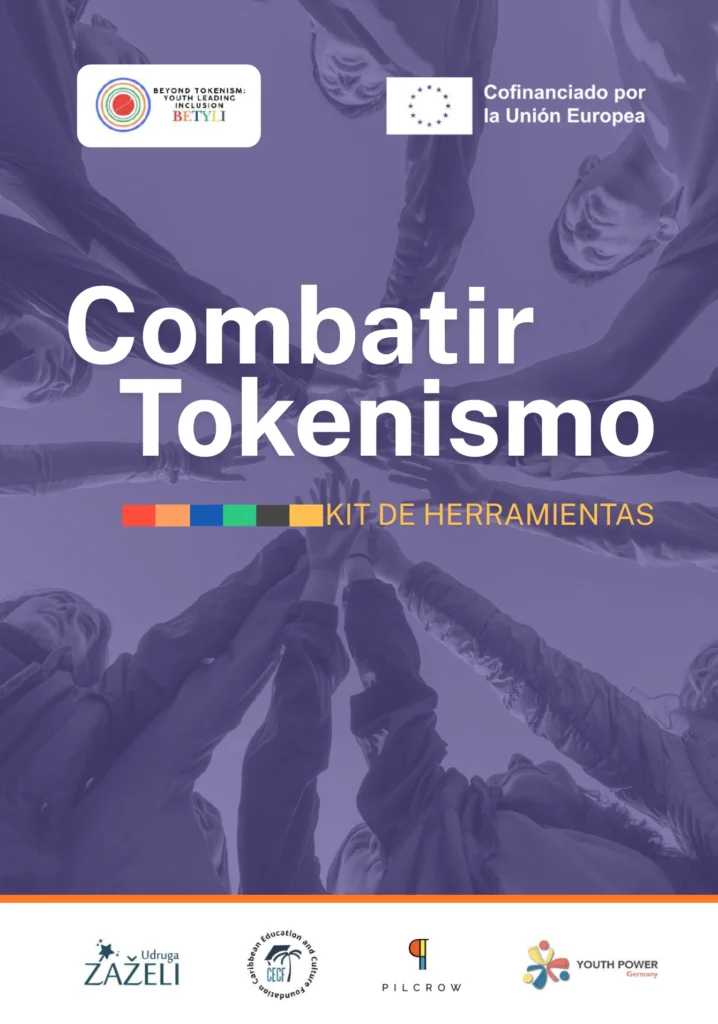
Combat Tokenism Toolkit

From symbolic inclusion to meaningful youth participation


The Combat Tokenism Toolkit is an educational resource developed within the Beyond Tokenism: Youth Leading Inclusion (BETYLI) project, co-funded by the European Union. It provides youth workers, educators, and organisations with the conceptual grounding and practical tools needed to recognise, challenge, and move beyond tokenistic practices in youth participation.


⇒ What the Toolkit Covers


The toolkit combines theory and practice across four foundational chapters and a comprehensive 5-day non-formal training programme, offering reflection tools, participatory methods, and self-assessment instruments. It supports users in understanding how tokenism manifests and how to cultivate authentic, youth-led inclusion.


Key components include:

  • Understanding Tokenism – defining tokenism and its impact on individuals and organisations.

  • Examples and Case Studies – identifying common patterns and real-life manifestations of symbolic participation.

  • From Tokenism to Genuine Inclusion – exploring frameworks such as Hart’s Ladder of Participation and co-creation principles.

  • 5-Day Training Curriculum – ten interactive sessions guiding participants from awareness to action through experiential learning, role play, and project design labs.


⇒ Pedagogical Framework


Grounded in the principles of non-formal education, the toolkit promotes experiential learning, self-reflection, and youth empowerment. It invites trainers, youth leaders, and NGOs to co-create learning spaces where young people act not merely as participants but as equal partners in decision-making. The sessions are adaptable for diverse contexts and group sizes, with inclusive facilitation tips embedded throughout.


⇒ Purpose and Impact


The Combat Tokenism Toolkit aims to transform how youth participation is understood and practiced across Europe and beyond. By helping organisations shift from representation to shared ownership, it strengthens inclusive cultures that value every voice. The resource empowers youth workers to build structures of genuine influence—where participation leads to impact, and inclusion becomes both a principle and a practice.

This manual is available in more 4 Languages:

Funded by the European Union. Views and opinions expressed are however those of the author(s) only and do not necessarily reflect those of the European Union or the European Education and Culture Executive Agency (EACEA). Neither the European Union nor EACEA can be held responsible for them.
Share this post

Facebook
Twitter
LinkedIn

Curriculum: Vocational Qualification Programme – Light Pollution Mitigation Specialist

Curriculum: Vocational Qualification Programme – Light Pollution Mitigation Specialist

Description

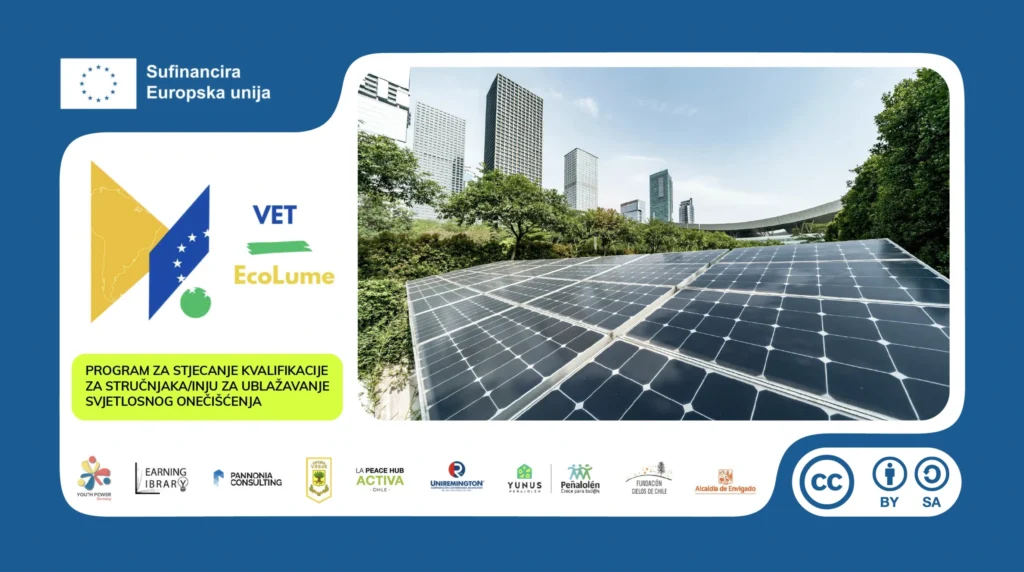
Vocational Qualification Programme: Light Pollution Mitigation Specialist

Empowering professionals to create sustainable, light-conscious environments


The Vocational Qualification Programme: Light Pollution Mitigation Specialist is a structured vocational education and training (VET) curriculum developed within the Eco Lumen – Empowering Sustainable Energy Education through Vocational Training project. It serves as a comprehensive learning programme designed to equip individuals with scientific, technical, and civic competences to identify, assess, and mitigate the impacts of artificial light pollution.


⇒ What the Curriculum Covers


The programme consists of five modules (plus an introduction), combining theoretical instruction, guided practice, and independent study for a total of about 29 hours. It integrates hands-on activities, digital tools, and real-world problem-solving to create a balance between scientific understanding, practical application, and environmental advocacy.


Key topics include:

  • Module 1: Introduction to Light and Light Pollution – understanding light as a physical phenomenon and identifying its ecological and health impacts.

  • Module 2: Diagnosis and Monitoring – using digital and physical tools to measure and map light pollution.

  • Module 3: Environmental and Health Impact Assessment – analyzing how artificial light affects ecosystems, human health, and circadian rhythms.

  • Module 4: Technical Solutions and Sustainable Design – exploring urban lighting planning and sustainable nightlife spaces.

  • Module 5: Community Action and Governance – developing communication campaigns, policies, and proposals to promote responsible lighting and dark-sky awareness.


⇒ Pedagogical Framework


The curriculum aligns with the European Qualifications Framework (EQF) and the principles of adult education (andragogy). It targets educators, youth workers, technicians, and professionals seeking to develop or apply sustainable lighting solutions. The methodology emphasizes experiential learning, intercultural collaboration, and advocacy skills, ensuring that participants are not passive learners but active agents of change.


⇒ Purpose and Impact


This vocational curriculum prepares learners for emerging roles in green energy, environmental management, and urban planning. Beyond technical expertise, it fosters awareness of light pollution’s social and ecological dimensions, empowering professionals to implement evidence-based, sustainable lighting practices and influence policy frameworks across Europe and Latin America.

Other Languages :

Funded by the European Union. Views and opinions expressed are however those of the author(s) only and do not necessarily reflect

those of the European Union or the European Education and Culture Executive Agency (EACEA). Neither the European Union nor EACEA can be held responsible for them.
Share this post

Facebook
Twitter
LinkedIn

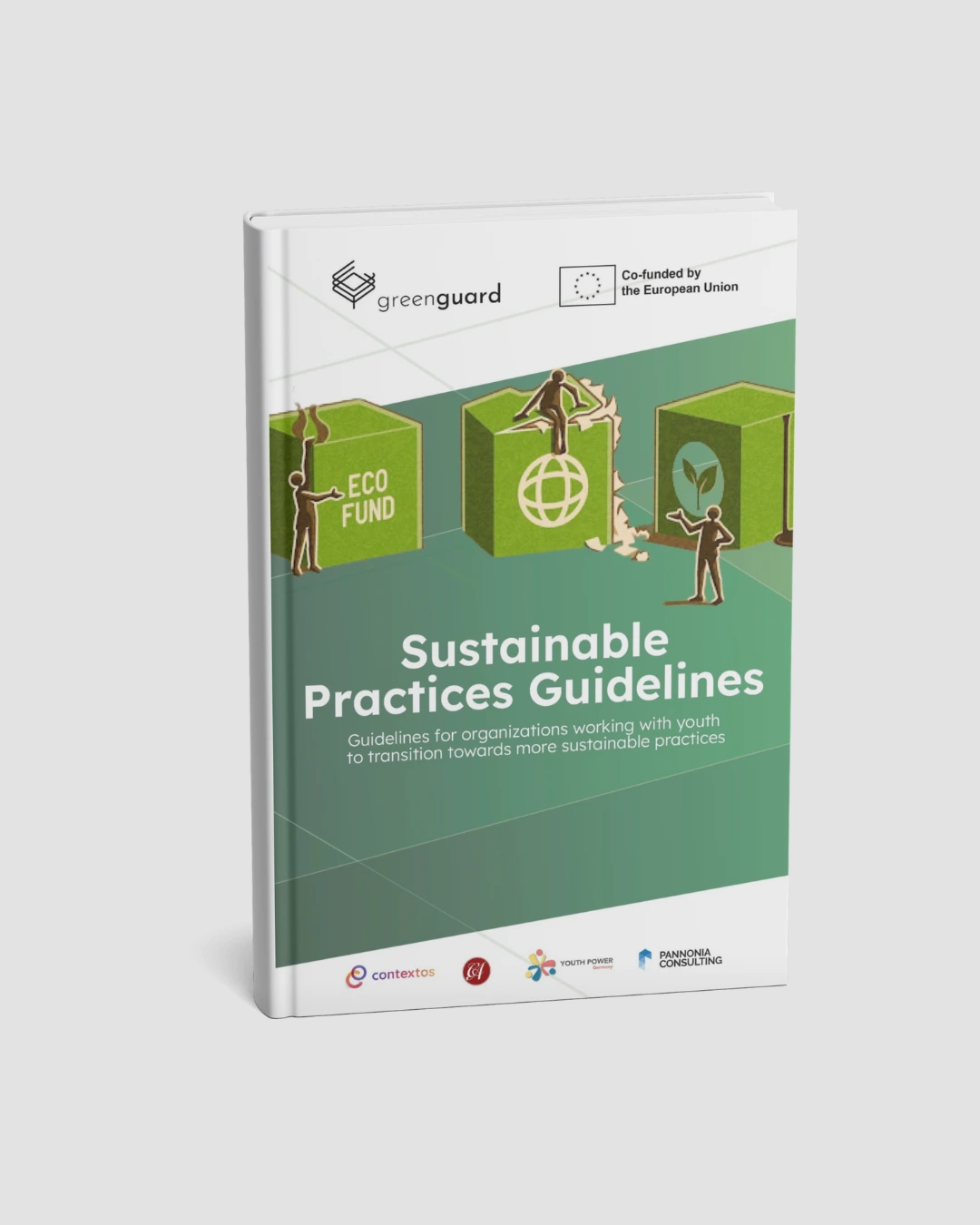
Sustainable Practices Guidelines

Sustainable Practices Guidelines

Description

🌿 Sustainable Practices Guidelines

Guidelines for organizations working with youth to transition towards more sustainable practices

Developed under the GreenGuard Project – Mobilizing Digital Solutions for Genuine Environmental Progress, this document provides youth organizations with practical tools, educational insights, and actionable strategies to adopt authentic sustainable practices and avoid greenwashing.

The guidelines offer:

  • A comprehensive introduction to greenwashing and its impact on young people.

  • Clear, step-by-step recommendations for organizations to integrate sustainability into their daily operations, culture, and educational work.

  • Interactive tools and checklists, such as water and energy trackers, a green procurement guide, and waste reduction logs.

  • Practical examples and external resources from the EU, UNESCO, and the Council of Europe to support environmental awareness and youth engagement.

Created collaboratively by Contextos (Portugal), Youth Power Germany e.V. (Germany), Istituto Universitario Carolina Albasio (Italy), and Pannonia Consulting (Croatia), the publication empowers young people and youth workers to lead the transition toward a greener, more responsible future.

License: Creative Commons Attribution–NonCommercial 4.0 International (CC BY-NC 4.0)


Funded by: The European Union under the Erasmus+ Programme

This Guideline is available in more 4 Languages:

Funded by the European Union. Views and opinions expressed are however those of the author(s) only and do not necessarily reflect those of the European Union or the Agência Nacional Erasmus+ Juventude/Desporto e Corpo Europeu de Solidariedade de Portugal. Neither the European Union nor Agência Nacional Erasmus+ Juventude/Desporto e Corpo Europeu de Solidariedade de Portugal can be held responsible for them. 

Share this post

Facebook
Twitter
LinkedIn

Greenwashing Index: A comparative research of greenwashing practices in Portugal, Italy, Germany and Croatia

Greenwashing Index: A comparative research of greenwashing practices in Portugal, Italy, Germany and Croatia

Description

This publication research, Greenwashing Index: A comparative research of greenwashing practices in Portugal, Italy, Germany and Croatia, was developed as part of the project GreenGuard, co-financed by Erasmus+ Cooperation Partnerships in Youth, coordinated by Contextos – Cooperativa para o Desenvolvimento e Coesão Social, CRL (Portugal), in partnership with Istituto ad ordinamento universitario Scuola Superiore Carolina Albasio (Italy), Youth Power Germany EV (Germany) and Pannonia Consulting D.O.O. (Croatia).


GreenGuard – Mobilizing Digital Solutions for Genuine Environmental Progress project (2024-2026) aims at contributing to counteract greenwashing by investigating greenwashing practices in partner countries, raise public awareness to the topic, develop prevention guidelines, empower youth and organizations through educational programs, and design user-friendly tech solutions to support better informed environmental choices by consumers.


This publication is the first publication of GreenGuard and aims to offer country-specific research of greenwashing practices in the four partner countries – Portugal, Italy, Germany, and Croatia – as a cornerstone for the project and to serve as a resource for youth workers, NGO’s, activists, scholars, policymakers, and others. It also offers a set of guidelines towards more sustainable practices. Guidelines towards more sustainable practices will be further expanded in the second publication of the project, targeting more specifically NGO’s: Guidelines for organizations working with young individuals to transition towards more sustainable practices.


The document begins by introducing the concept of greenwashing and contextualizing its prevalence and significance. The research is divided into two main parts:

  • Greenwashing Index Research: Case Study Analysis

  • Greenwashing and Youth: Survey Analysis


In the first part, a set of exemplificative case studies from each country is presented to test the application of a proposed Greenwashing Index scale developed during this project. In the second part, the results of the youth surveys conducted in the scope of the research are presented and compared across the four countries. The document concludes with key takeaways from the research and a set of guidelines for preventing greenwashing.

Funded by the European Union. Views and opinions expressed are however those of the author(s) only and do not necessarily reflect those of the European Union or the Agência Nacional Erasmus+ Juventude/Desporto e Corpo Europeu de Solidariedade de Portugal. Neither the European Union nor Agência Nacional Erasmus+ Juventude/Desporto e Corpo Europeu de Solidariedade de Portugal can be held responsible for them. 

Share this post

Facebook
Twitter
LinkedIn

Booklet: Accreditation 2023

Booklet: Accreditation 2023

About the Accreditation Project 2023


The Accreditation Project 2023 was more than a series of planned activities, it was a powerful step forward in our mission to support young people and youth workers through inclusive, high-impact, and future-oriented educational experiences. Enabled by the Erasmus+, the project brought together passionate youth and dedicated professionals from across Europe to collaborate, learn, and inspire meaningful change within their communities.


Why does this work matter? Because both young people and those who guide them, youth workers, educators, and trainers are navigating increasingly complex realities. From mental health struggles and digital overload to social exclusion and a fast-changing job market, the need for meaningful, non-formal learning is more urgent than ever. Our response is rooted in the belief that empowered youth and skilled youth workers are at the heart of resilient, democratic societies.


Across 20 international training courses and youth exchanges, we provided spaces where participants could explore everything from AI and media literacy to entrepreneurship, inclusion, mental health, democracy, and creative expression. Whether it was co-creating dance performances in Seville, building digital campaigns in Berlin, or tackling hate speech online in Barcelona, every activity brought young people and youth workers together to share knowledge, develop skills, and take action.


What sets this work apart is its depth and authenticity. These Trainings and exchanges were immersive experiences designed to equip participants with practical tools, new perspectives, and a sense of agency. The initiatives align with the European Youth Goals and reflect our strong commitment to inclusion, lifelong learning, intercultural dialogue, and civic participation.


This publication is both a celebration of what we achieved and an open invitation to others working in the field. If you are a youth worker looking for fresh methods, or a young person seeking your voice in Europe’s future, this is for you. Let it inspire your next step, your next project, your next conversation, and join us in continuing to build a more inclusive, creative, and empowered generation.

We extend our heartfelt thanks to the European Union and the German National Agency for their continued trust and support. Our deepest gratitude goes to all our partner organizations, as well as our incredible staff and trainers, whose dedication, expertise, and teamwork were essential in delivering high-quality educational mobility activities. Together, we empowered youth and youth workers across Europe to learn, grow, and lead with purpose.

Von der Europäischen Union finanziert. Die geäußerten Ansichten und Meinungen entsprechen jedoch ausschließlich denen des Autors bzw. der Autoren und spiegeln nicht zwingend die der Europäischen Union oder der Europäischen Exekutivagentur für Bildung und Kultur (EACEA) wider. Weder die Europäische Union noch die EACEA können dafür verantwortlich gemacht werden.


Funded by the European Union. Views and opinions expressed are however those of the author(s) only and do not necessarily reflect those of the European Union or the European Education and Culture Executive Agency (EACEA). Neither the European Union nor EACEA can be held responsible for them.
Share this post

Facebook
Twitter
LinkedIn