
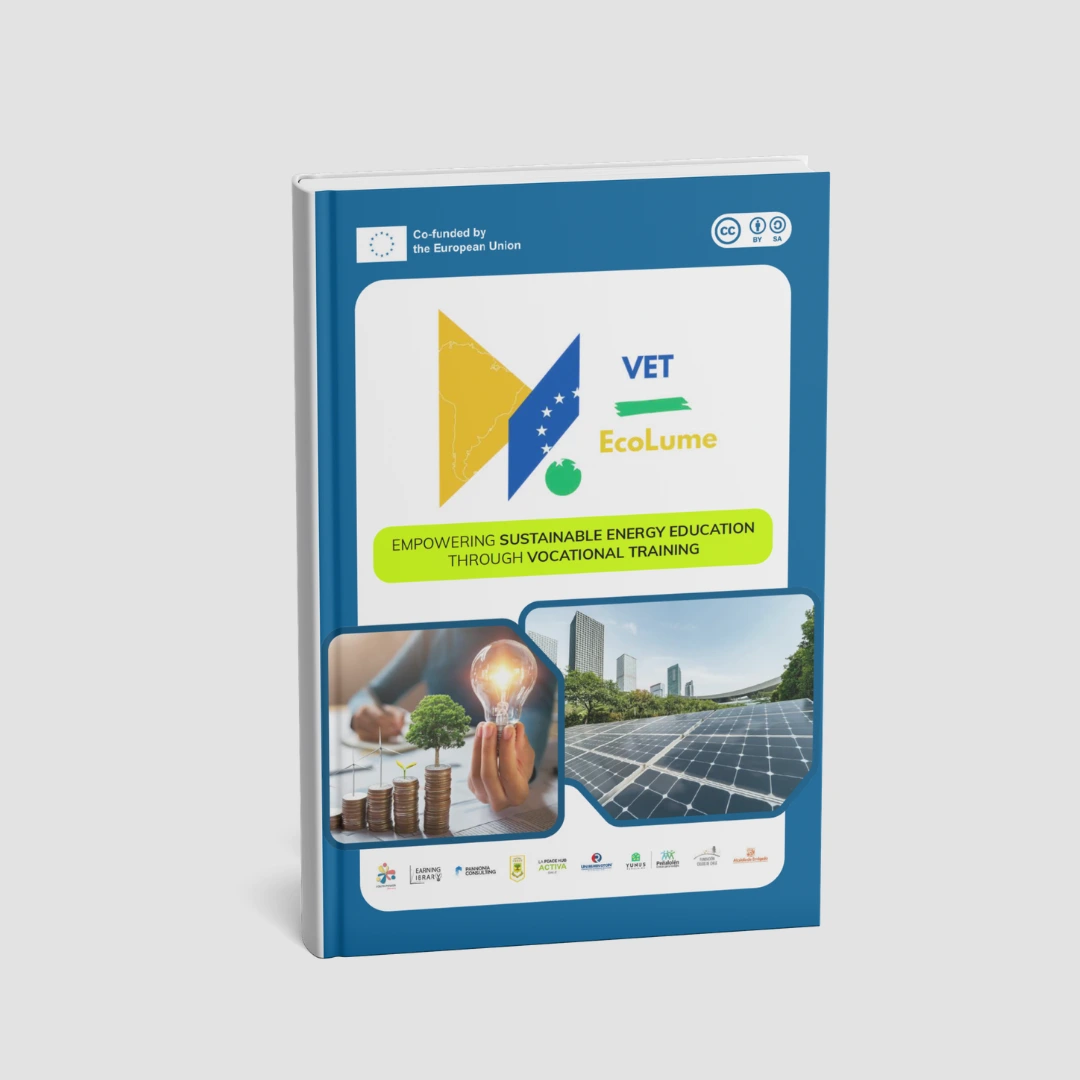
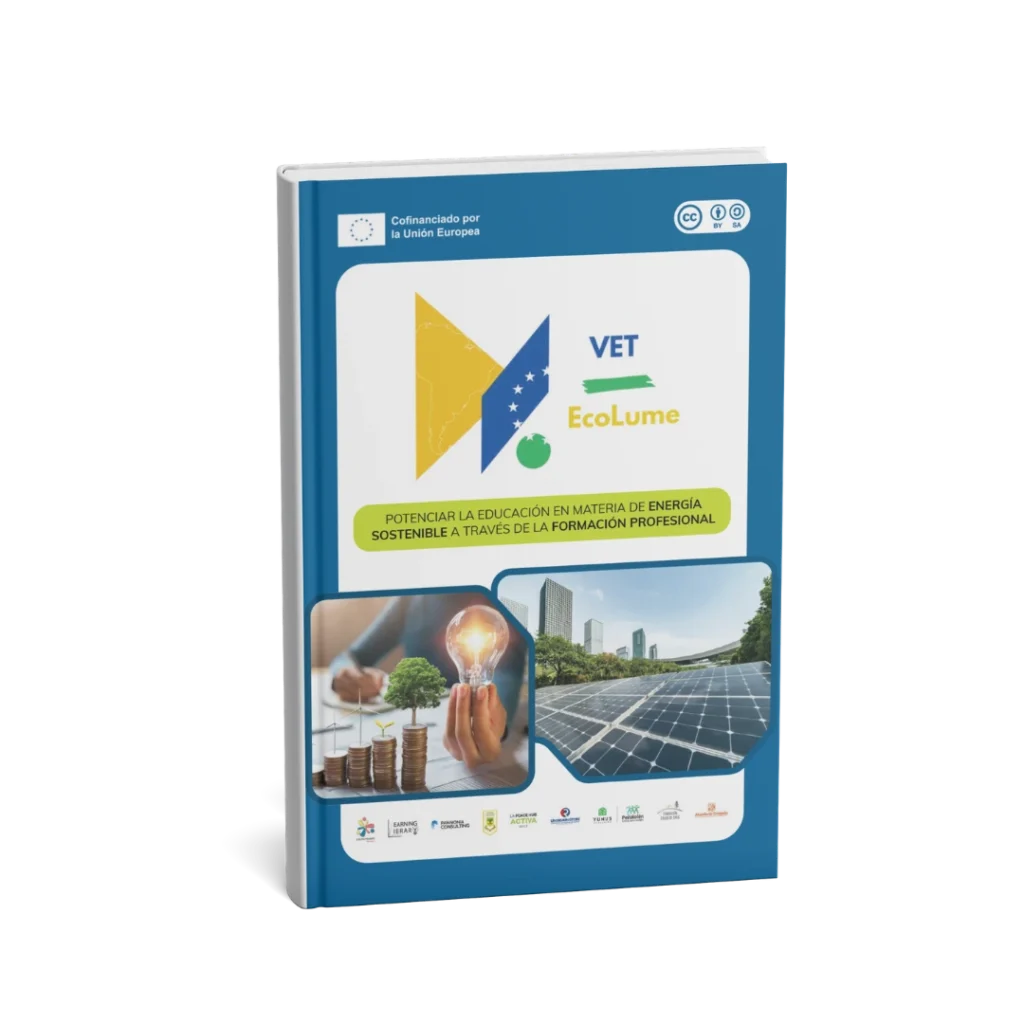
EcoLume Instruction Manual: Enhancing education on sustainable energy through Vocational Training
Description
The EcoLume Instruction Manual is a comprehensive vocational training resource developed to support educators, trainers, and institutions in delivering high-quality learning on light pollution mitigation. It provides a structured curriculum with clearly defined learning objectives, pedagogical guidance, practical exercises, case studies, digital tools, and assessment frameworks.
The manual combines theoretical foundations with hands-on, work-based learning and independent study. It guides trainers in creating inclusive and adaptable learning environments, applying sustainable lighting principles (utility, direction, control, intensity, and color), and supporting participants in diagnosing, monitoring, and designing solutions to reduce light pollution.
Designed for flexibility, the resource can be implemented in formal VET programs, continuing education initiatives, or community-based training contexts. It empowers learners to develop ecological, technical, and communication skills that contribute to protecting biodiversity, human health, and the night sky while promoting sustainable development in their territories.
This manual is available in more 4 Languages:
VET EcoLume Project
VET EcoLume is an international EU-funded project that addresses light pollution through vocational education and training. The project develops an innovative curriculum and online learning platform to train future Light Pollution Mitigation Specialists, equipping them with green and digital skills to design sustainable lighting solutions.
By combining education, practical tools, and international collaboration, VET EcoLume contributes to protecting biodiversity, human health, and the night sky while promoting sustainable development in communities.

Funded by the European Union. Views and opinions expressed are however those of the author(s) only and do not necessarily reflect those of the European Union or the European Education and Culture Executive Agency (EACEA). Neither the European Union nor EACEA can be held responsible for them.