Education Program: Cohrent Minds – Empowering Adults and Business for Digital Responsibility

Education Program: Cohrent Minds – Empowering Adults and Business for Digital Responsibility

Description

The educational resource developed under the Erasmus+ project “Fighting Fake News and Enhancing Critical Thinking Skills for Business Opportunities of Unemployed Citizens” is titled “Coherent Minds: Empowering Adults and Business for Digital Responsibility.” This educational program is aimed at unemployed adults and small business owners with lower levels of digital literacy, focusing on equipping them with the skills needed to recognize, analyze, and respond to misinformation and fake news in the digital world.


Structured as a four-day non-formal training curriculum, the program combines theoretical knowledge with hands-on activities to enhance critical thinking, media literacy, and digital responsibility. The content includes explorations of fake news and its impact on business decisions, fact-checking strategies, the CRAAP model, and the creation of social media policies. Through real-world case studies, group simulations, self-assessments, and collaborative exercises, participants actively engage in skill-building and reflection.


Each day of the training is designed around immersive sessions using interactive methods, such as argument-building exercises, “Facebook profile” introductions, the “Crocodile River” team challenge, and the evaluation of online content. These sessions are tailored to stimulate engagement and promote resilience in navigating the information-heavy digital environment.


The curriculum offers a replicable and adaptable model for adult education providers, trainers, NGOs, and employment services working with adults at risk of social and economic exclusion due to low digital skills. By fostering critical awareness and informed decision-making, this program contributes to building a more digitally resilient and responsible society.

This manual is available in more 3 Languages:

This initiative tackles the issue of fake news and disinformation by focusing on unemployed individuals and small business owners, who often face challenges in navigating the digital landscape. The program delivers a customized curriculum that builds essential skills in critical thinking and digital literacy. These competencies are developed through dynamic workshops and online sessions led by experienced facilitators. A practical highlight is an accessible digital tool that helps users verify online content. The project is continuously assessed to ensure its relevance and effectiveness, while a follow-up support network encourages continued growth, peer learning, and stronger community engagement in combating misinformation.

Von der Europäischen Union finanziert. Die geäußerten Ansichten und Meinungen entsprechen jedoch ausschließlich denen des Autors bzw. der Autoren und spiegeln nicht zwingend die der Europäischen Union oder der Europäischen Exekutivagentur für Bildung und Kultur (EACEA) wider. Weder die Europäische Union noch die EACEA können dafür verantwortlich gemacht werden.


Funded by the European Union. Views and opinions expressed are however those of the author(s) only and do not necessarily reflect those of the European Union or the European Education and Culture Executive Agency (EACEA). Neither the European Union nor EACEA can be held responsible for them.

Share this post

Facebook
Twitter
LinkedIn

Curriculum for Youth Workers: How to empower deaf and hard of hearing youngsters entrepreneurial and employability Skills

Curriculum for Youth Workers: How to empower deaf and hard of hearing youngsters entrepreneurial and employability Skills

Description

The first educational material developed as part of this project is a curriculum titled „Curriculum for Youth Workers: How to Empower Deaf and Hard of Hearing Youngsters’ Entrepreneurial and Employability Skills“. It is intended for youth workers, such as professionals from the social welfare system, experts working in the employment sector, individuals working in civil society organizations, who may potentially work with deaf and hard of hearing persons, as well as persons with communication obstacles during their work. The objective is to train them in career advising and professional guidance for deaf and hard of hearing persons, and persons with communication obstacles.


The curriculum consists of 10 modules, with each module containing several sessions detailed with activity flow and implementation instructions. Additionally, the curriculum includes supplementary reading materials and materials necessary for the implementation of the described activities. The curriculum is based on the approach, principles and methods of non-formal education. It consists of interactive and participatory methods tailored to the participants profile and needs, some of them being: interactive games, reflective exercises, simulation tasks, individual activities, work in pairs and groups, plenary discussions, theoretical presentations, practical task work, and exchange of experiential knowledge.


The curriculum modules can be used individually, regardless of other modules. Although each individual module and session have recommended durations, this curriculum is flexible, allowing future users to adapt it to their own needs. The curriculum is intended for all interested parties who believe they can implement it in their work with young people, especially with young people with disabilities.


This curriculum is the result of collaborative work among three partners of this project (Association of the Deaf and Hard of Hearing of the City of Zagreb, Youth Power Germany, Istituto ad ordinamento Universitario “Scuola Superiore Carolina Albasio”), and has been tested in their countries.

This manual is available in more 4 Languages:

The project “Taking Matters Into Our Own Hands: Employment and Entrepreneurship” addresses the significant employment challenges faced by young people with hearing disabilities and communication obstacles, who are more than twice as likely to be unemployed compared to their hearing peers. With over one million individuals in Europe affected, many are stuck in low-skilled and underpaid jobs despite their potential.


This initiative focuses on two key areas: empowering young people with hearing disabilities to develop entrepreneurial skills and self-employment opportunities, and equipping youth workers with the knowledge and tools to support these individuals in overcoming barriers, tapping into their competencies, and becoming active participants in the job market.

Von der Europäischen Union finanziert. Die geäußerten Ansichten und Meinungen entsprechen jedoch ausschließlich denen des Autors bzw. der Autoren und spiegeln nicht zwingend die der Europäischen Union oder der Europäischen Exekutivagentur für Bildung und Kultur (EACEA) wider. Weder die Europäische Union noch die EACEA können dafür verantwortlich gemacht werden.


Funded by the European Union. Views and opinions expressed are however those of the author(s) only and do not necessarily reflect those of the European Union or the European Education and Culture Executive Agency (EACEA). Neither the European Union nor EACEA can be held responsible for them.

Share this post

Facebook
Twitter
LinkedIn

Guidebook: Sustainability in Youth Work and Non-formal Education

Guidebook: Sustainability in Youth Work and Non-formal Education

Description

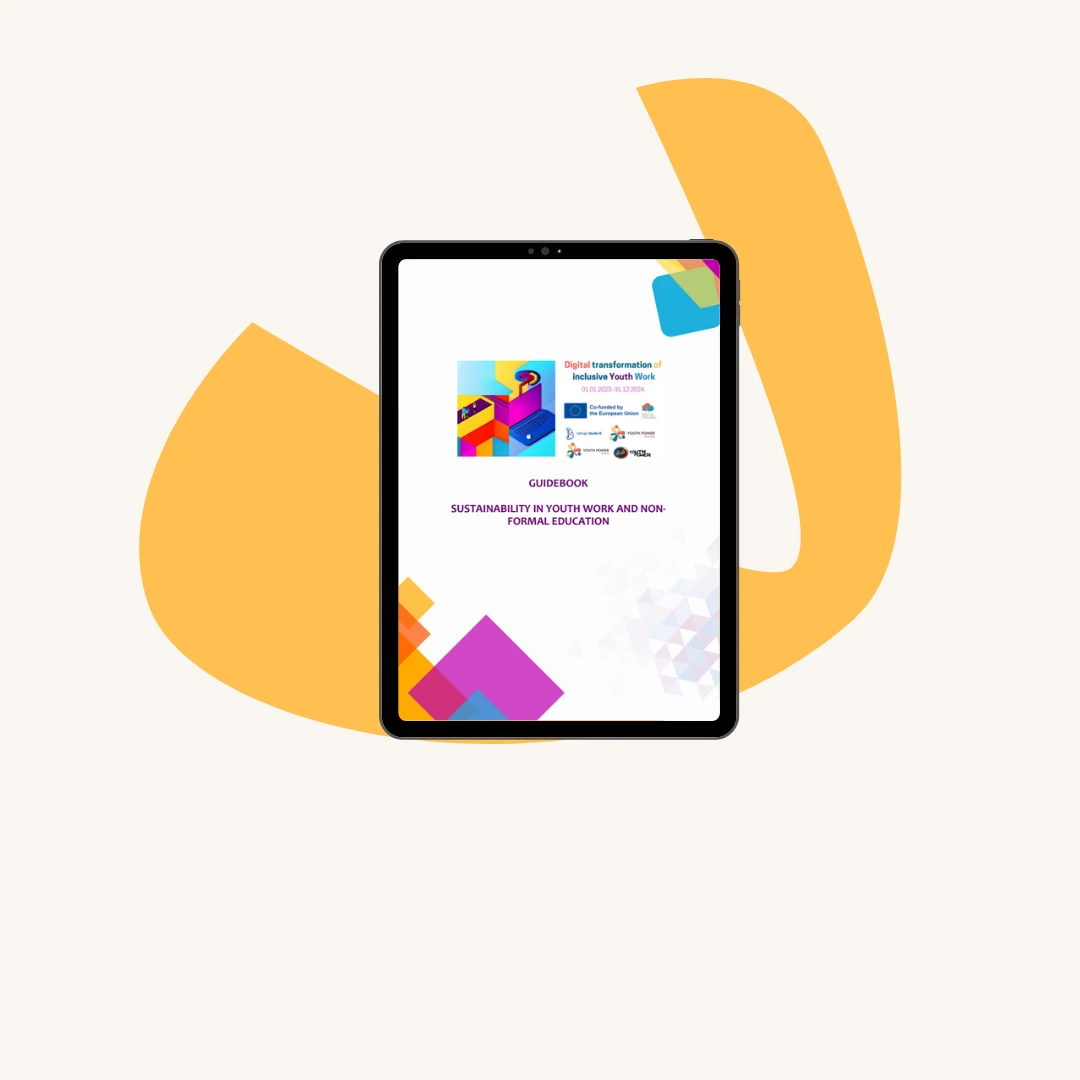
Guidebook on Sustainability in Youth Work and Non-formal Education is a resource designed for educators and youth workers who are committed to fostering sustainable practices through education. This Guidebook is structured to provide not only a deep understanding of sustainability but also practical tools and methodologies for implementing sustainability education across various settings, whether formal or non-formal.


Each chapter of this Guidebook builds upon the last, aiming to equip you with the necessary knowledge, skills, and tools to effectively teach and implement sustainability in a variety of contexts.


By the end of this guide, readers should have a well-rounded understanding of sustainability and be ready to apply this knowledge in educating others, thereby contributing to a more sustainable future.

This manual is available in more 3 Languages:

„Digital transformation of inclusive Youth Work”  project aims to digitally transform inclusive youth work at the international level, which
means that all objectives and activities of the project are directed towards the inclusion of digital tools in our work. By adopting innovative digital teaching methods, we will increase the quality of youth work and encourage the inclusion of young people with fewer opportunities, and by disseminating the results, we will reach a large number of actors and strengthen transnational and intersectoral cooperation. 

Von der Europäischen Union finanziert. Die geäußerten Ansichten und Meinungen entsprechen jedoch ausschließlich denen des Autors bzw. der Autoren und spiegeln nicht zwingend die der Europäischen Union oder der Europäischen Exekutivagentur für Bildung und Kultur (EACEA) wider. Weder die Europäische Union noch die EACEA können dafür verantwortlich gemacht werden.


Funded by the European Union. Views and opinions expressed are however those of the author(s) only and do not necessarily reflect those of the European Union or the European Education and Culture Executive Agency (EACEA). Neither the European Union nor EACEA can be held responsible for them.

Share this post

Facebook
Twitter
LinkedIn

Guidebook: Digitalization in youth work

Guidebook: Digitalization in youth work

Description

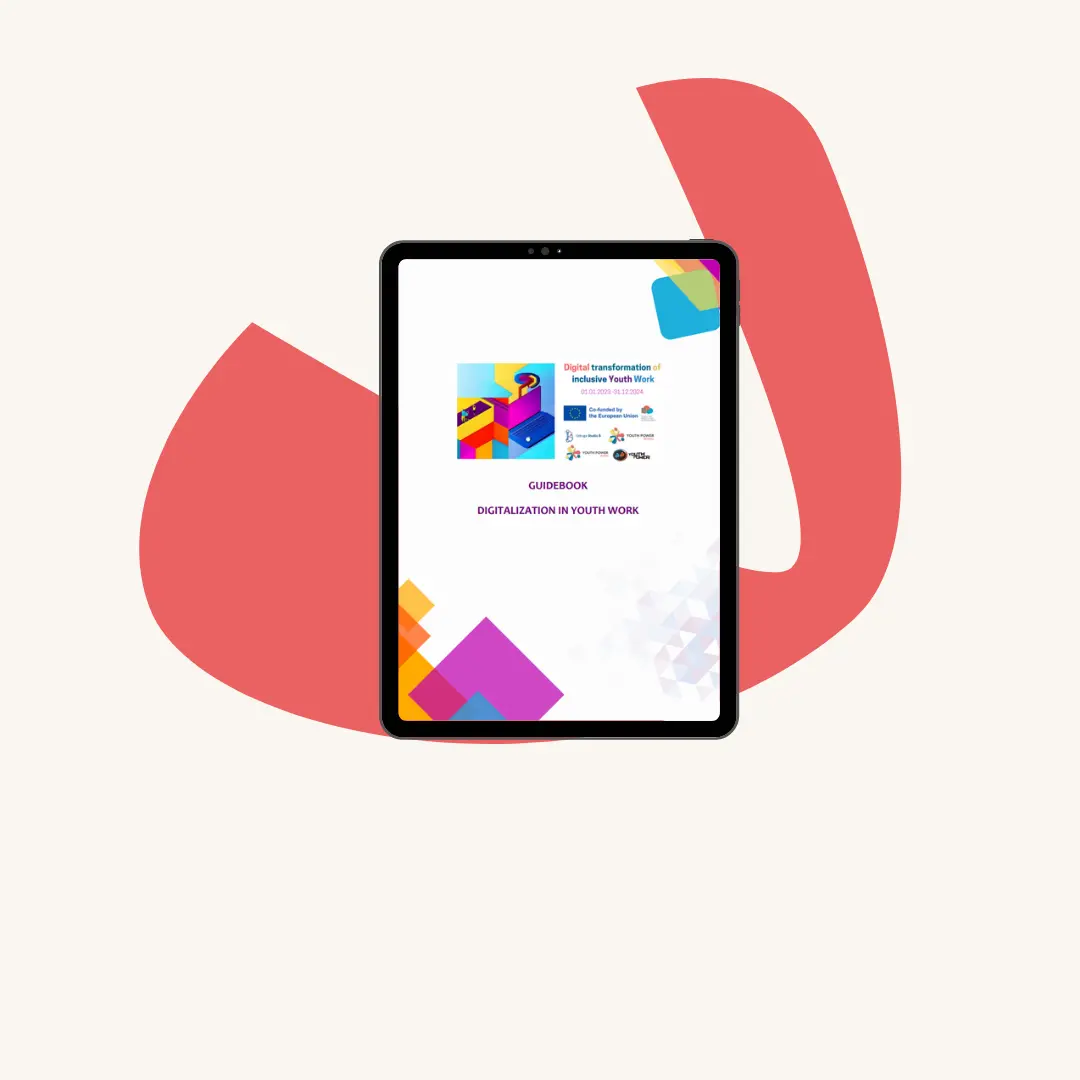
This Guidebook, “Digitalization in Youth Work,” is designed to provide comprehensive guidance and resources for youth workers who seek to integrate digital tools and technologies into their practice.


As the world becomes increasingly digital, the importance of equipping youth workers with the skills and knowledge to navigate this landscape has never been greater. This Guidebook aims to empower youth workers with the necessary competencies to engage young people effectively through digital platforms, ensuring they can deliver impactful and inclusive youth work in the digital age.


This Guidebook is organized into several chapters, each focusing on different aspects of digitalization in youth work. Readers are encouraged to use this Guidebook as a reference guide, selecting the sections most relevant to their needs and interests. The content is structured to provide a logical flow from understanding key concepts to engaging effectively with young people and ensuring ethical considerations.

This manual is available in more 3 Languages:

„Digital transformation of inclusive Youth Work”  project aims to digitally transform inclusive youth work at the international level, which
means that all objectives and activities of the project are directed towards the inclusion of digital tools in our work. By adopting innovative digital teaching methods, we will increase the quality of youth work and encourage the inclusion of young people with fewer opportunities, and by disseminating the results, we will reach a large number of actors and strengthen transnational and intersectoral cooperation. 

Von der Europäischen Union finanziert. Die geäußerten Ansichten und Meinungen entsprechen jedoch ausschließlich denen des Autors bzw. der Autoren und spiegeln nicht zwingend die der Europäischen Union oder der Europäischen Exekutivagentur für Bildung und Kultur (EACEA) wider. Weder die Europäische Union noch die EACEA können dafür verantwortlich gemacht werden.


Funded by the European Union. Views and opinions expressed are however those of the author(s) only and do not necessarily reflect those of the European Union or the European Education and Culture Executive Agency (EACEA). Neither the European Union nor EACEA can be held responsible for them.

Share this post

Facebook
Twitter
LinkedIn

Handbook with Curriculum: Youth in Virtual Environment

Handbook with Curriculum: Youth in Virtual Environment

Description

The Youth in Virtual Environment handbook designed specifically for youth workers to support young people in navigating the complexities of the digital environment equips youth workers with practical tools and educational strategies to help youngsters face the challenges and opportunities of the online world.


About the Handbook


This handbook provides both theoretical insights and hands-on activities. It focuses on key areas such as cyberbullying, media literacy, and internet addiction, offering youth workers clear guidance on how to address these issues in their sessions with young people. The curriculum emphasises building resilience and critical thinking, helping participants develop the skills necessary to use technology safely and responsibly.


What the Handbook Covers


The handbook delves into vital areas of digital life that impact youth today, including:

  • Cyberbullying: Understanding its forms, consequences, and methods of prevention.
  • Media Literacy: Promoting critical thinking around media consumption and understanding the influence of digital content.
  • Internet Addiction: Identifying signs of overuse and providing strategies for maintaining healthy online habits.


Key Educational Sessions


  • Cyberbullying 101
    This session introduces the concept of cyberbullying and its various forms, such as harassment, doxxing, and trolling. Participants engage in interactive discussions and activities, including the creation of educational materials, to fully understand the issue and share their knowledge with others.


  • Cyberbullying and Standing Up for Others
    In this session, participants learn about the roles of bystanders and upstanders in bullying situations. Through real-life examples and role-playing activities, participants are encouraged to take action and support victims of cyberbullying, fostering a safer online environment.


  • Impact of (Social) Media on Young People
    Youth workers guide participants through an exploration of the impact social media has on youth, both positive and negative. The session introduces the CRAPP Model, a tool to help young people critically evaluate the reliability of online information. Participants discuss how media influences opinions and behaviors and develop strategies for becoming discerning media consumers.


  • Media Literacy: Basic Concepts
    This foundational session introduces key terms like fake news, cognitive bias, and disinformation. Through group discussions and reflective activities, participants gain critical thinking skills to assess the trustworthiness of media content. This session aims to equip young people with the tools needed to navigate the complex media landscape responsibly.


  • Internet Addiction and Its Prevention
    This session focuses on recognizing the signs of internet addiction and provides youth workers with practical strategies to help young people manage their online habits. Through case studies and role-playing, participants explore how excessive internet use affects daily life and relationships. The session offers actionable steps to maintain a healthy balance between online and offline activities.


Why This Handbook is Essential for Youth Workers


This handbook is a crucial resource for youth workers aiming to help young people thrive in the digital environment. It provides structured guidance and activities that are easy to implement in a variety of settings. Each session combines theoretical learning with practical exercises, ensuring that participants not only understand the material but can apply it in real life. By fostering safe online behaviors, critical thinking, and healthy digital habits, youth workers can empower youngsters to navigate the digital world with confidence.

Von der Europäischen Union finanziert. Die geäußerten Ansichten und Meinungen entsprechen jedoch ausschließlich denen des Autors bzw. der Autoren und spiegeln nicht zwingend die der Europäischen Union oder der Europäischen Exekutivagentur für Bildung und Kultur (EACEA) wider. Weder die Europäische Union noch die EACEA können dafür verantwortlich gemacht werden.


Funded by the European Union. Views and opinions expressed are however those of the author(s) only and do not necessarily reflect those of the European Union or the European Education and Culture Executive Agency (EACEA). Neither the European Union nor EACEA can be held responsible for them.

Share this post

Facebook
Twitter
LinkedIn

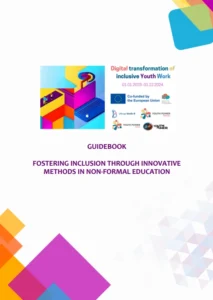
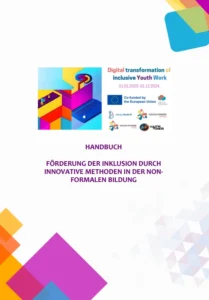
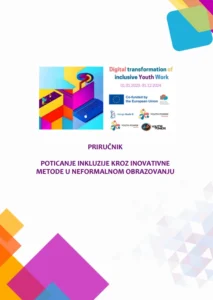
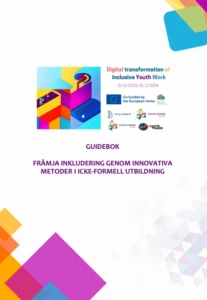
Guidebook: Fostering Inclusion through Innovative Methods in Non-Formal Education

Guidebook: Fostering Inclusion through Innovative Methods in Non-Formal Education

Description

This manual is designed for practitioners like you who are passionate about creating inclusive learning environments. Inclusion is a fundamental principle that ensures equal opportunities for all individuals, regardless of their background, abilities, or circumstances. This manual aims to provide you with theoretical knowledge, practical strategies, and resources to effectively implement inclusive practices in your work.


This manual is designed to provide youth workers and other non-formal education practitioners with innovative methods for fostering inclusion.


By embracing inclusion, we can foster a sense of belonging, respect, and empowerment among participants in non-formal educational settings. This manual aims to provide you with theoretical knowledge, practical strategies, and resources to effectively implement inclusive practices in your work.

This manual is available in 3 more Languages:

„Digital transformation of inclusive Youth Work”  project aims to digitally transform inclusive youth work at the international level, which
means that all objectives and activities of the project are directed towards the inclusion of digital tools in our work. By adopting innovative digital teaching methods, we will increase the quality of youth work and encourage the inclusion of young people with fewer opportunities, and by disseminating the results, we will reach a large number of actors and strengthen transnational and intersectoral cooperation. 

Von der Europäischen Union finanziert. Die geäußerten Ansichten und Meinungen entsprechen jedoch ausschließlich denen des Autors bzw. der Autoren und spiegeln nicht zwingend die der Europäischen Union oder der Europäischen Exekutivagentur für Bildung und Kultur (EACEA) wider. Weder die Europäische Union noch die EACEA können dafür verantwortlich gemacht werden.


Funded by the European Union. Views and opinions expressed are however those of the author(s) only and do not necessarily reflect those of the European Union or the European Education and Culture Executive Agency (EACEA). Neither the European Union nor EACEA can be held responsible for them.

Share this post

Facebook
Twitter
LinkedIn

Handbook with the Curriculum: From stressed OUT to stress LESS

Handbook with the Curriculum: From stressed OUT to stress LESS

Description

This comprehensive manual is for developing competences of youth workers to design stress awareness and and stress regulation educational activities for young people. This manual aims to provide you with theoretical knowledge, practical strategies, and resources to effectively implement educational activities.


This manual is designed to provide youth workers and other non-formal education practitioners with innovative methods to design stress awareness and and stress regulation.


This manual contains all the topics necessary for running a training program according to our curriculum. The program follows the logic and principles of non-formal education, and after the introductory part, which is indispensable when it comes to psychological experiential workshops, comes the conceptual parts about stress and stress management.


After the educational part, the participants practically act and design future workshops to increase the resilience of the young people they work with.

This manual is available in more 3 Languages:

„Digital transformation of inclusive Youth Work”  project aims to digitally transform inclusive youth work at the international level, which
means that all objectives and activities of the project are directed towards the inclusion of digital tools in our work. By adopting innovative digital teaching methods, we will increase the quality of youth work and encourage the inclusion of young people with fewer opportunities, and by disseminating the results, we will reach a large number of actors and strengthen transnational and intersectoral cooperation. 

Von der Europäischen Union finanziert. Die geäußerten Ansichten und Meinungen entsprechen jedoch ausschließlich denen des Autors bzw. der Autoren und spiegeln nicht zwingend die der Europäischen Union oder der Europäischen Exekutivagentur für Bildung und Kultur (EACEA) wider. Weder die Europäische Union noch die EACEA können dafür verantwortlich gemacht werden.


Funded by the European Union. Views and opinions expressed are however those of the author(s) only and do not necessarily reflect those of the European Union or the European Education and Culture Executive Agency (EACEA). Neither the European Union nor EACEA can be held responsible for them.

Share this post

Facebook
Twitter
LinkedIn

Manual: Online and e-learning in youth work

Manual: Online and e-learning in youth work

Description

With the rise of technology and increasing access to the internet, e-learning has become a valuable tool in the field of youth work, providing young people with opportunities to participate in online courses, virtual mentorship programs, and other forms of technology-facilitated learning. By leveraging e-learning, youth workers can reach young people in new and innovative ways, supporting their personal and professional growth and development.


Welcome to the comprehensive guide through the world of e-learning! This Manual is designed to give you an understanding of the theoretical and practical aspects of online and e-learning development, based on the principles of youth work. 


Manual is divided into 2 main parts:

  • Basic concepts section, explaining the basics of online learning and providing theoretical introduction to the topics; and
  • Developing online learning course section, taking you step-by-step through the process of developing your own online learning course.


Chapter “Examples from practice” showcases several good practice cases from different international organizations. Something like this provides a real-life insight into the practical application of e-learning in youth work.

With this manual, readers will gain a comprehensive understanding of the e-learning world and be equipped with the knowledge and skills necessary to create effective and engaging online/e-learning experiences. So, let’s dive in and explore this exciting realm together!

This manual is available in more 4 Languages:

“Learning in Youth Work of the 21st Century” is a project designed to modernize youth work in response to challenges amplified by the COVID-19 pandemic. Recognizing the gap in skills and knowledge for adapting youth work to online platforms, this project aims to effectively transition youth work to a digital environment. It provides youth organizations and their staff with the tools needed to develop or adapt educational activities for online engagement, catering to the changing habits of young people who are increasingly active online. The project underscores the need for youth workers to be familiar with digital tools and online learning methodologies, though not necessarily as experts, to offer relevant and effective educational opportunities for today’s youth.

Share this post

Facebook
Twitter
LinkedIn

Manual: How to design a learning experience

Manual: How to design a learning experience

Description

The manual’s innovative approach lies in its comprehensive coverage of designing and developing learning experiences for various target groups across different settings (face-to-face, online, or a combination). This coverage fills a gap in existing materials, as research on the Erasmus+ results platform showed no similar resources addressing this specific topic in such an integrated manner. The manual will offer straightforward steps for creating successful educational activities, supplemented with practical examples from youth work practice. While primarily designed for youth workers involved in the development and implementation of learning/educational activities for youth, it can also benefit project developers/writers, project managers, and others interested in youth education. It serves both as a tool for developing learning activities and a resource for educating youth workers on relevant topics.

Manual: How to design a learning experience

Handbuch: Wie gestaltet man eine Lernerfahrung

Der innovative Ansatz des Handbuchs liegt in seiner umfassenden Abdeckung der Gestaltung und Entwicklung von Lernerfahrungen für verschiedene Zielgruppen in unterschiedlichen Umgebungen (persönlich, online oder eine Kombination davon). Diese Abdeckung füllt eine Lücke in den bestehenden Materialien, da die Recherche auf der Erasmus+ Ergebnisplattform keine ähnlichen Ressourcen zeigte, die dieses spezifische Thema in einer so integrierten Weise ansprechen. Das Handbuch wird einfache Schritte für die Erstellung erfolgreicher Bildungsaktivitäten anbieten, ergänzt durch praktische Beispiele aus der Jugendarbeitspraxis. Obwohl es primär für Jugendbetreuer konzipiert ist, die an der Entwicklung und Implementierung von Lern-/Bildungsaktivitäten für Jugendliche beteiligt sind, kann es auch Projektenwickler/-schreiber, Projektmanagern und anderen, die sich für die Bildung von Jugendlichen interessieren, zugutekommen. Es dient sowohl als Werkzeug zur Entwicklung von Lernaktivitäten als auch als Ressource zur Bildung von Jugendbetreuern zu relevanten Themen.

Share this post

Facebook
Twitter
LinkedIn

Manual: Digital Marketing and using Digital Tools in youth work

Manual: Digital Marketing and using Digital Tools in youth work

Description

We are surrounded by digital marketing. Digital marketing campaigns are displayed on our computers, smartphones, tablets, or other digital devices. Digital marketing can appear in various formats, such as social media posts, display ads, online videos, search engine marketing, and sponsored social media ads.


This manual addresses the need for youth work to be competitive in providing educational services. The manual is developed as part of the project “Learning in Youth Work of 21st century”. As the whole project covers the idea of adapting youth work to the online environment and providing youth work organisations and youth workers with practical tools that can be used for developing or adapting educational activities to the online environment, it’s important to provide unique tools that can help organisations and individuals to engage with as many young people as their budgets and other conditions are allowing.


Manual: “Digital marketing and using digital tools in youth work” is a comprehensive guide for youth workers, covering various aspects of digital marketing and its application in youth work.


The manual is structured to provide theoretical and practical insights, with chapters covering topics of different types of digitalmarketing, strategies for content development, campaign planning, and the use of visuals and photography.


With this manual, we want to offer youth organisations and youth workers practical tools for understanding digital marketing and making their first steps in developing digital marketing plans, activities and campaigns for their organisations to reach more youth.


Enjoy reading, and we wish you good luck with your digital marketing endeavours!

This Manual is available in more 3 languages:

“Learning in Youth Work of the 21st Century” is a project designed to modernize youth work in response to challenges amplified by the COVID-19 pandemic. Recognizing the gap in skills and knowledge for adapting youth work to online platforms, this project aims to effectively transition youth work to a digital environment. It provides youth organizations and their staff with the tools needed to develop or adapt educational activities for online engagement, catering to the changing habits of young people who are increasingly active online. The project underscores the need for youth workers to be familiar with digital tools and online learning methodologies, though not necessarily as experts, to offer relevant and effective educational opportunities for today’s youth.

Von der Europäischen Union finanziert. Die geäußerten Ansichten und Meinungen entsprechen jedoch ausschließlich denen des Autors bzw. der Autoren und spiegeln nicht zwingend die der Europäischen Union oder der Europäischen Exekutivagentur für Bildung und Kultur (EACEA) wider. Weder die Europäische Union noch die EACEA können dafür verantwortlich gemacht werden.


Funded by the European Union. Views and opinions expressed are however those of the author(s) only and do not necessarily reflect those of the European Union or the European Education and Culture Executive Agency (EACEA). Neither the European Union nor EACEA can be held responsible for them.

Share this post

Facebook
Twitter
LinkedIn