Article: From Rights to Real Access: What SignUnity Research Reveals About Sign Language Interpreting

Article: From Rights to Real Access: What SignUnity Research Reveals About Sign Language Interpreting

When Rights Do Not Guarantee Access: What SignUnity Research Reveals About Sign Language Interpreting

The SignUnity research across Croatia, Germany, Estonia, Ghana, Ethiopia and Kenya highlights two closely connected challenges in sign language interpreting: the gap between formal rights and practical access, and the lack of sufficiently specialised interpreting services in high-stakes settings such as healthcare, legal services and emergencies. 
Rights do not always mean access

One of the clearest findings from the research is that legal recognition, professional standards and interpreter education do not automatically guarantee that Deaf and hard-of-hearing people can access qualified interpreting services when they need them.


The six countries demonstrate this in different ways.


Germany has comparatively strong university-level interpreter education and a developed professional infrastructure. Yet users and interpreters still report problems with availability, coordination and access to specialists, particularly in complex settings.


Croatia has legal recognition of Croatian Sign Language and a regulated communication-mediation framework, but interpreter education remains largely non-formal and insufficiently standardised for the wide range of professional situations interpreters encounter.


Estonia combines strong legal recognition, a national professional qualification standard and a publicly funded remote interpreting service. However, the shortage of trained interpreters and the limited active pathway for bringing new professionals into the field continue to affect availability.


Ghana and Kenya have important educational initiatives and policy foundations, but still lack fully harmonised national systems connecting training, certification, quality assurance and service delivery. Ethiopia faces an even more foundational challenge: interpreting is visible particularly within education, while a comprehensive professional training and accreditation pathway is still developing. 


The comparison shows that formal recognition is only one part of accessibility. A right becomes meaningful when there are enough qualified professionals, functioning booking and funding systems, recognised standards and institutions that understand their responsibility to provide accessible communication.

High-stakes contexts expose the biggest gaps
 

The second major finding concerns where access problems become most serious.


Across the six countries, healthcare, legal and judicial settings, emergencies, employment, higher education and public services repeatedly emerged as areas where interpreting is either difficult to obtain or requires competencies that are not always sufficiently developed. 


These are also precisely the contexts where communication failures can have the greatest consequences.


In healthcare, interpretation can affect whether a person is able to explain symptoms, understand a diagnosis, give informed consent or follow treatment instructions. Privacy and confidentiality are also particularly sensitive.


In legal and judicial settings, interpretation must be accurate and complete because errors can influence testimony, procedural fairness and the exercise of fundamental rights.


Emergency situations create another challenge because many existing services rely on advance booking. A system that works for planned appointments may fail when communication support is needed immediately.

The research therefore makes an important distinction: general sign language competence is not sufficient for every interpreting context.


Professional interpreters also need specialised terminology, knowledge of institutional procedures, preparation strategies, ethical decision-making skills and experience working under pressure. Healthcare interpreting is not the same as interpreting at a conference; legal interpreting requires different knowledge and responsibilities from interpreting in education or community settings.

What this means for SignUnity

These findings directly inform the next stages of the SignUnity project.


The future VET curriculum should not simply teach sign language. It must prepare interpreters for professional practice through competency-based learning, specialised modules, ethics, supervised practice and real-world scenarios.


Particular attention should be given to healthcare, legal and judicial interpreting, emergencies, employment and public services, while Deaf and hard-of-hearing people should remain actively involved in curriculum design, training and assessment.


The research ultimately points to a broader lesson: accessibility is not achieved by recognition alone. It requires systems capable of turning rights into reliable, professional and high-quality services.


For Deaf and hard-of-hearing people, the difference between having a right on paper and being able to exercise that right in everyday life often comes down to whether a qualified interpreter is actually available at the moment they are needed. 
About the SignUnity Partnership

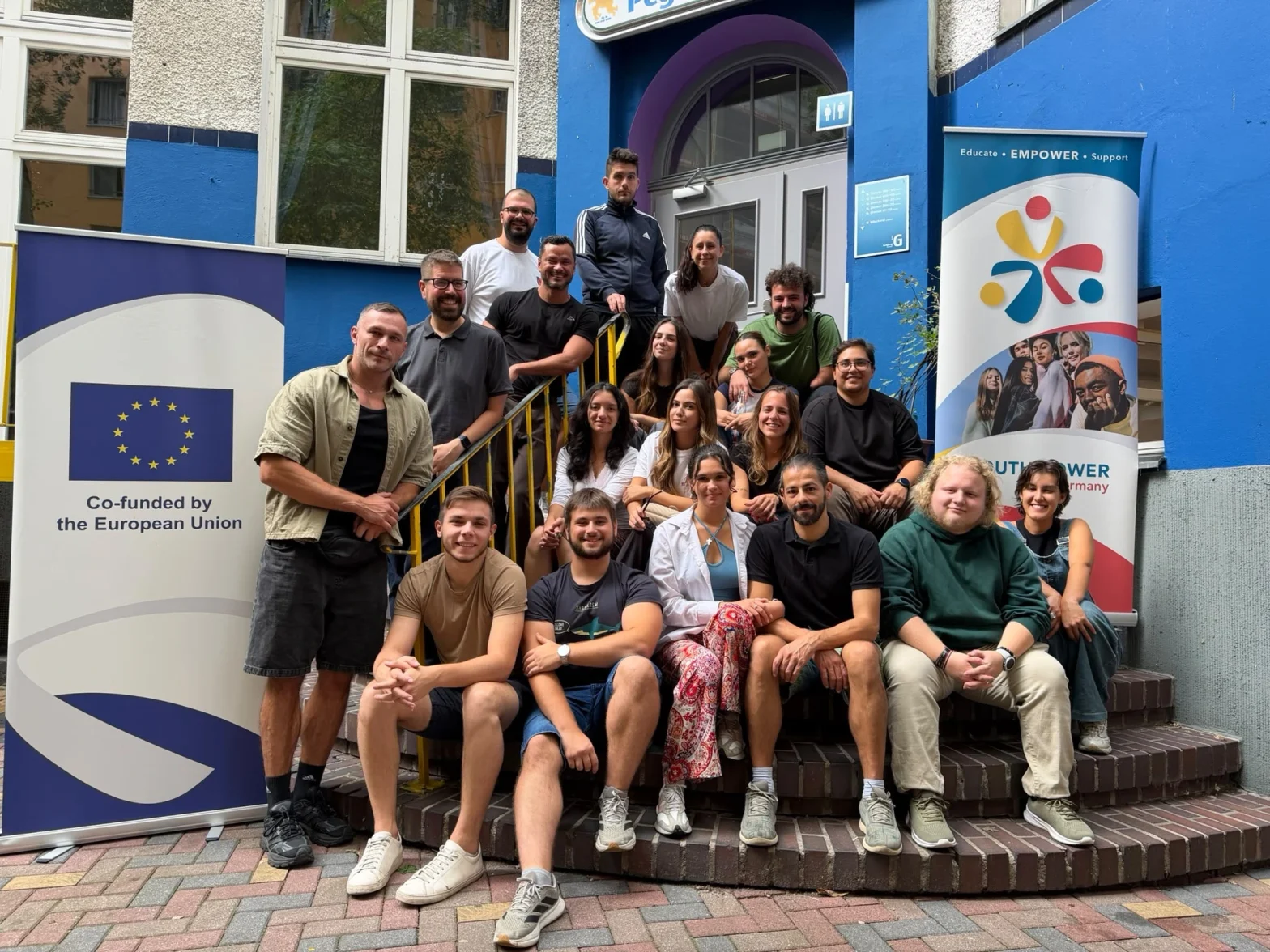
SignUnity brings together seven partner organisations from six countries across Europe and Sub-Saharan Africa, combining expertise in Deaf inclusion, sign language interpreting, vocational education, digital learning and community development.


The partnership includes:

  • Association of Deaf and Hard of Hearing of the City of Zagreb (SGINGZ) – Croatia
  • Learning Library – Estonia
  • Youth Power Germany e.V. – Germany
  • University of Education, Winneba (UEW) – Ghana
  • Ghana National Association of the Deaf (GNAD) – Ghana
  • Kua Zone Innovation College Ltd. – Kenya
  • Nigus Tekile Haymanot Advanced Secondary School / Debre Markos City Administration – Ethiopia


Together, the partners contribute different perspectives from VET education, Deaf organisations, interpreter training, research and digital learning, allowing SignUnity to compare diverse national realities and develop educational solutions that can respond to the needs of both European and Sub-Saharan African contexts.


This transcontinental cooperation is central to SignUnity’s goal of strengthening the professionalisation of sign language interpreting while improving access and participation for Deaf and hard-of-hearing people.

Funded by the European Union. Views and opinions expressed are however those of the author(s) only and do not necessarily reflect those of the European Union or the European Education and Culture Executive Agency (EACEA). Neither the European Union nor EACEA can be held responsible for them.
Share this post

Facebook
Twitter
LinkedIn

From Training to Local Action: Why Youth Workers Matter in the Circular Economy

From Training to Local Action: Why Youth Workers Matter in the Circular Economy

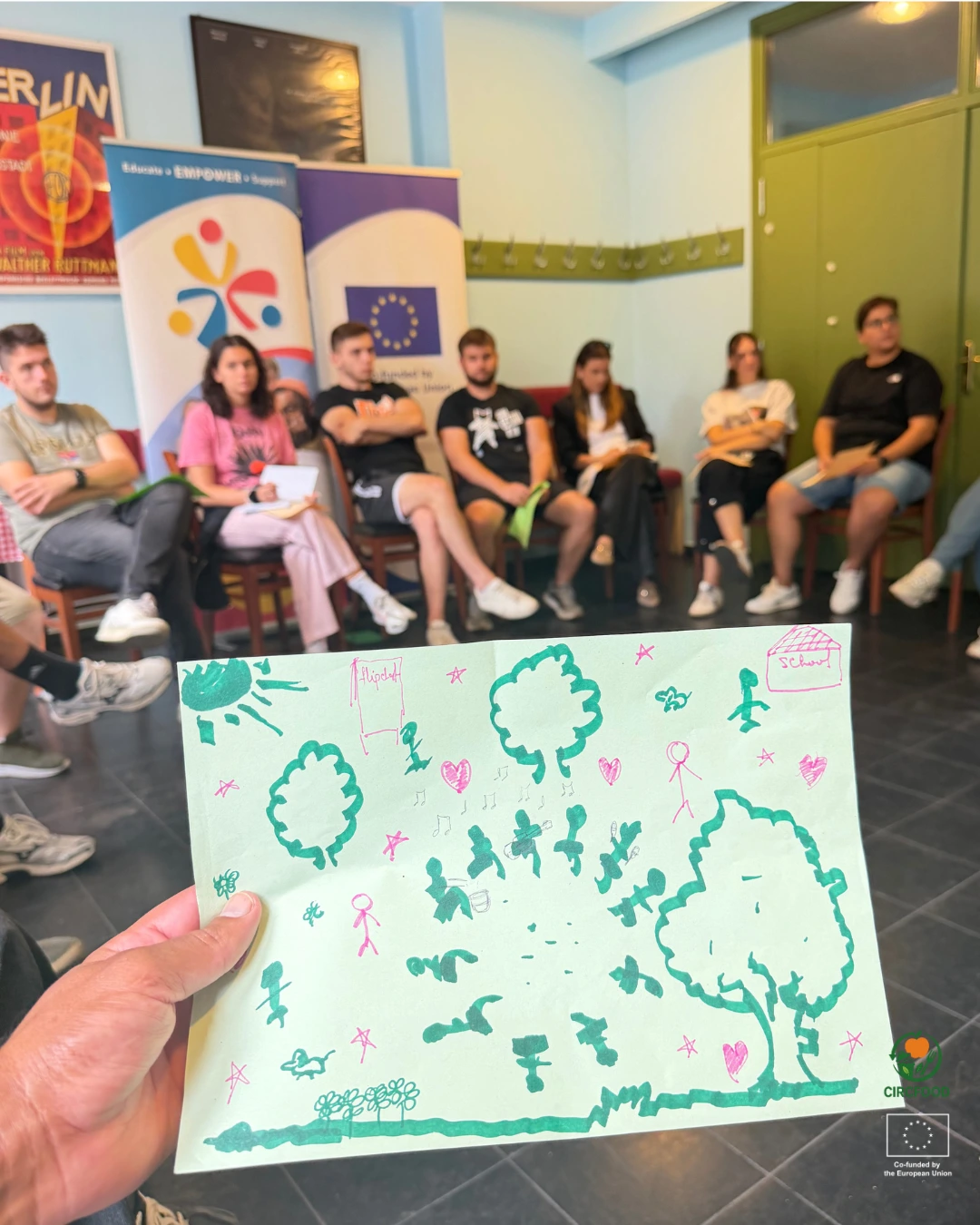
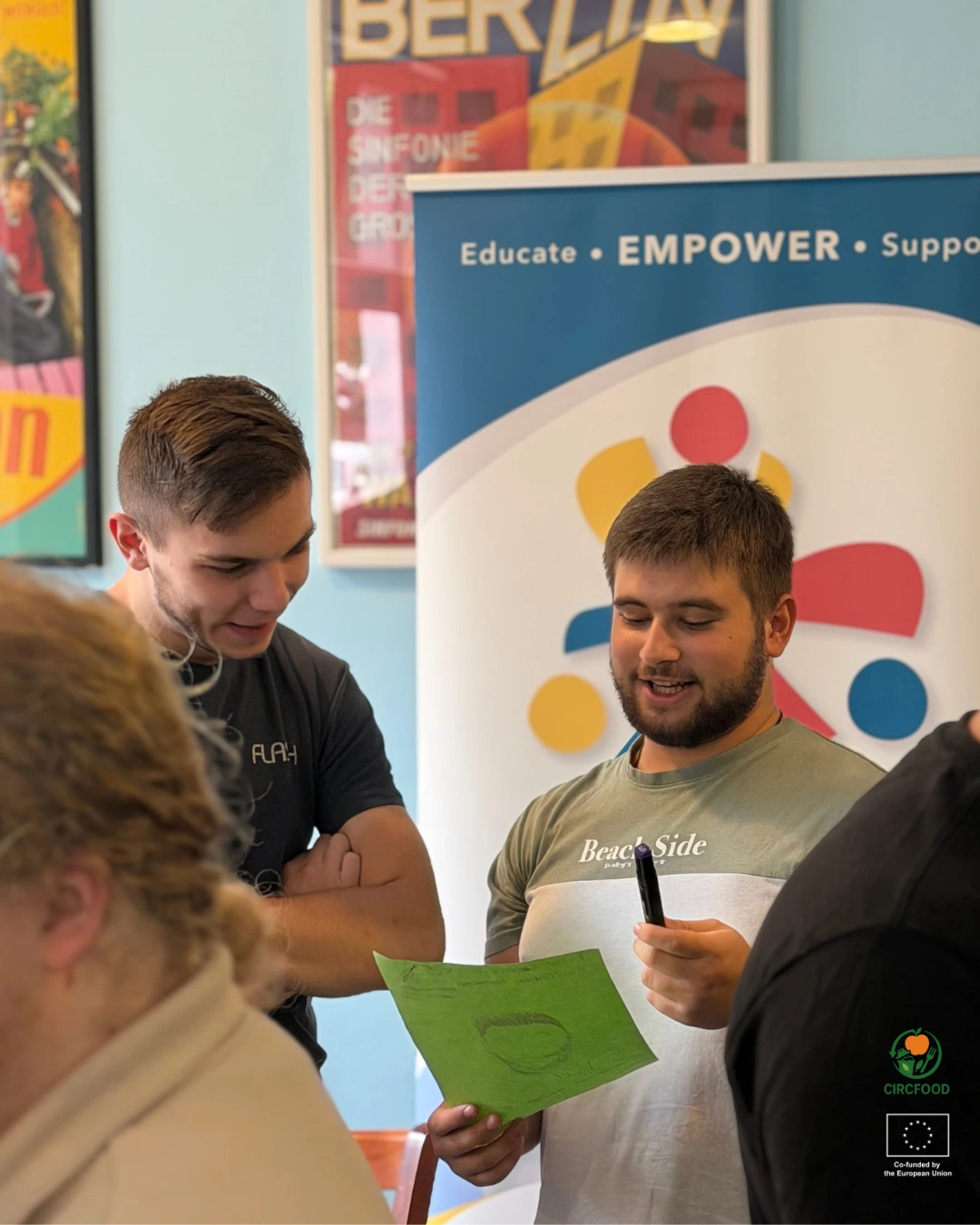
The CIRCFOOD – Circular Food Economy: Reducing Waste and Carbon Footprint project aims to strengthen knowledge and practical action around sustainability, circular economy and food waste prevention. As part of the project, the CIRCFOOD Transnational Training for Youth Workers brought together participants in Berlin for an intensive learning experience focused on connecting these topics with youth work and non-formal education.

From Training to Local Action: Why Youth Workers Matter in the Circular Economy

Throughout the training, youth workers explored themes such as sustainable lifestyles, circular economy principles, the environmental impact of food waste, sustainable consumption and production, zero-waste approaches, cross-sector collaboration and community-based solutions. The programme combined theoretical input with reflection, peer exchange, practical workshops and the design of educational activities that could later be implemented with young people.


One of the most important aspects of this process was the attention given to local realities. Sustainable solutions cannot simply be copied from one community to another. The training encouraged participants to analyse how food is consumed and wasted in their own countries and communities, identify existing local initiatives, and reflect on the habits, systems and challenges that shape everyday behaviour.

This is why training youth workers is so important. Youth workers are close to young people and local communities, and they can transform broad ideas such as “circular economy” or “food waste reduction” into practical, understandable and relevant actions. By strengthening their facilitation skills and providing adaptable non-formal education tools, the training supports them in creating learning experiences that encourage young people to question their habits, recognise local problems and imagine realistic alternatives.


The training therefore represents more than the transfer of knowledge. It is about building the capacity to turn learning into local action. When youth workers understand both sustainability concepts and the realities of the communities where they work, they are better equipped to promote meaningful changes that can contribute to reducing food waste, encouraging responsible consumption and making circular economy practices part of everyday life.


About the CIRCFOOD Project


CIRCFOOD – Circular Food Economy: Reducing Waste and Carbon Footprint is an Erasmus+ Cooperation Partnership in Youth running from September 2025 to June 2027. The project brings together organisations from Portugal, Serbia, Estonia, Germany and Croatia to empower young people and youth workers to better understand food waste, sustainable consumption and circular economy principles.


Through research, non-formal education, practical toolkits, digital learning resources and capacity-building activities, CIRCFOOD aims to transform awareness into concrete action.


A central focus is strengthening the role of youth workers so they can support young people in questioning everyday consumption habits, reducing food waste and becoming active contributors to more sustainable communities.


Learn more about CIRCFOOD ♣

Funded by the European Union. Views and opinions expressed are however those of the author(s) only and do not necessarily reflect those of the European Union or the European Education and Culture Executive Agency (EACEA). Neither the European Union nor EACEA can be held responsible for them.
Share this post

Facebook
Twitter
LinkedIn

Beyond Tokenism: From Project Results to Real Inclusion in Youth Work

Beyond Tokenism: From Project Results to Real Inclusion in Youth Work

Youth Power Germany presents the results of the BETYLI project during a dissemination activity held on 15 August 2026.

From Project Results to Real Inclusion in Youth Work

Youth Power Germany presents the results of the BETYLI project during a dissemination activity held on 15 August 2026

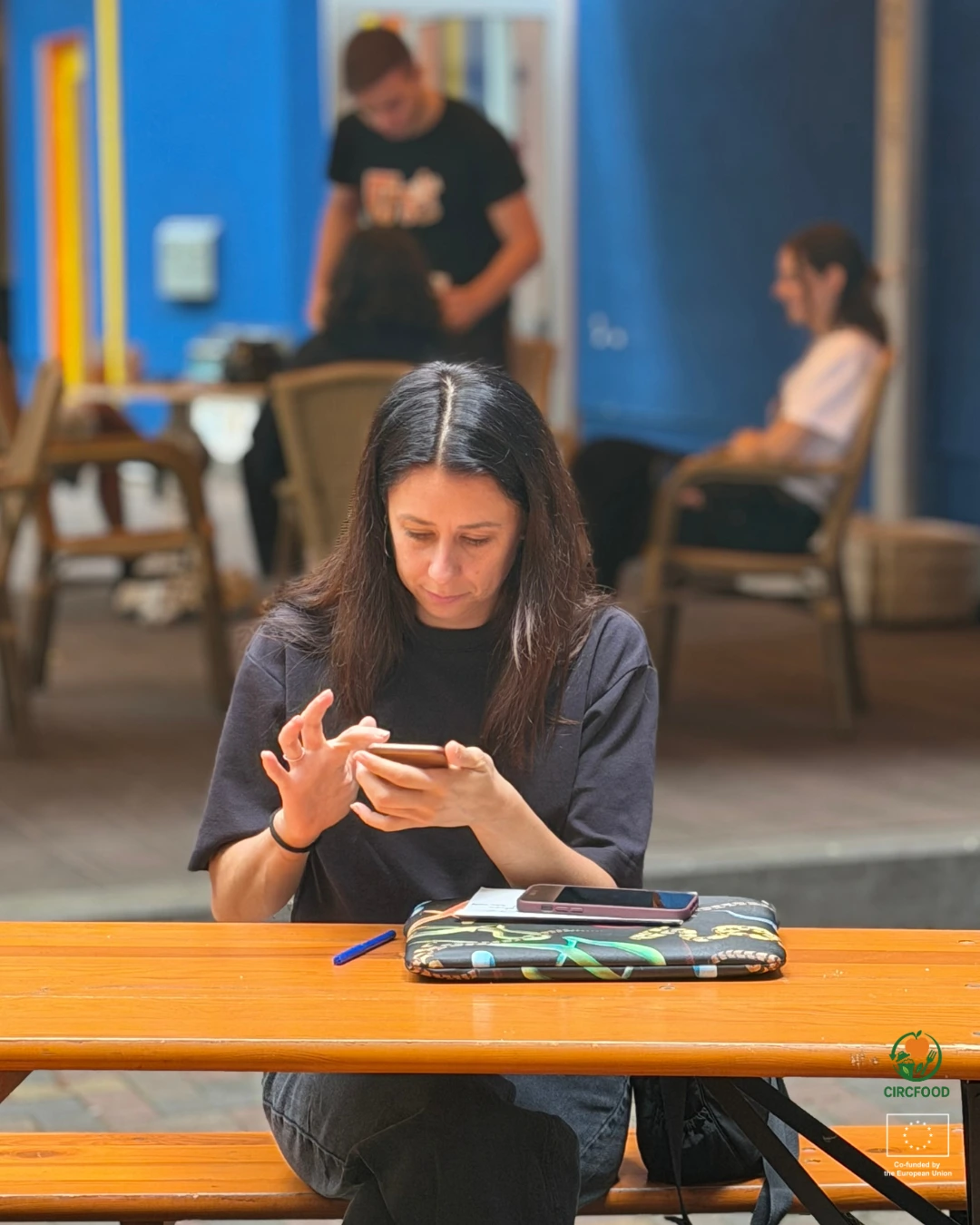
On 15 August 2026, Youth Power Germany e.V. implemented a dissemination activity dedicated to presenting the final results, tools and learning outcomes of the European project “Beyond Tokenism: Youth Leading Inclusion – BETYLI.”

The activity created an opportunity to introduce the resources developed throughout the project while also opening an important conversation: What does inclusion really mean, and how can youth organisations ensure that young people are not simply represented, but actually have the power to participate, influence and shape decisions?


BETYLI was created precisely to address this challenge. Funded through Erasmus+, the project runs from 1 March 2025 to 31 August 2026 and brings together organisations from Croatia, Spain, the Netherlands and Germany. Its central objective is to combat tokenism and support youth organisations in transforming diversity and representation into genuine, meaningful participation.

From representation to real participation


Including young people in an activity, consultation, event or decision-making process does not automatically make that process inclusive.


Tokenism can happen when individuals from underrepresented groups are invited to participate primarily to demonstrate diversity, while having little influence over the decisions being made.

Young people might be consulted but never learn what happened with their contribution. They might be invited to speak while adults continue to hold all decision-making power. An organisation may appear diverse in photographs or communication while the structures behind those activities remain unchanged.


Real inclusion goes further.

It means creating environments where young people have access to information, feel safe enough to express themselves, can contribute according to their different needs and realities, and importantly,  can see that their contribution has an impact.

BETYLI therefore approaches inclusion not simply as representation but as ensuring that different voices are heard, valued and able to influence their communities and organisations.

During our dissemination activity, this distinction between being present and actually participating was central to presenting the project’s results.


Turning inclusion into practical action

An important strength of BETYLI is that the project does not stop at discussing tokenism theoretically. It provides youth workers, educators, young people and organisations with practical resources that can be used to reflect on existing structures and improve them.

During the dissemination activity, we presented and explored several of these final project results.


Decoding Influence: The Participation Simulator

The Participation Simulator helps organisations assess how much influence young people truly have. Based on Hart’s Ladder of Participation, it highlights power imbalances and offers recommendations for stronger, more meaningful youth participation.


Inclusion Index Calculator

The Inclusion Index Calculator allows organisations to reflect on areas such as representation, participation, accessibility, tokenism prevention and organisational impact. It provides feedback and recommendations to help turn inclusion from an intention into concrete action.


Inclusion Toolkit

The Inclusion Toolkit: A Practical Guide to Combating Tokenism offers youth workers and educators practical workshops, reflection activities and methodologies that can be used in everyday youth work to create more inclusive and participatory spaces.


eLearning Course: Tokenism vs. Authentic Inclusion

The eLearning Course combines videos, quizzes, case studies and reflection activities to help youth workers and young people better understand tokenism and explore strategies for authentic inclusion. A final assessment also allows learners to receive a certificate of completion.

.

A long-term commitment to genuine inclusion

BETYLI also created the Declaration on Authentic Inclusion and an International Network for Genuine Inclusion, bringing together 40 European organisations committed to strengthening meaningful participation and sharing inclusive practices beyond the project period.

Real inclusion cannot be achieved through one activity or project. It requires continuous reflection on accessibility, organisational culture, power and decision-making.


Why this matters for youth work

Youth work plays an important role in creating spaces where young people are not only present, but also heard and able to influence decisions.

When young people see that their ideas have an impact, participation can strengthen confidence, belonging, civic engagement and democratic culture.


Moving beyond tokenism therefore means asking not only who is represented, but also who has influence, who makes decisions and whether young people can genuinely shape the processes that affect them.


From project results to everyday practice

Our dissemination activity on 15 August 2026 was not only about presenting the final BETYLI results, but also about encouraging these tools to continue being used in youth work.


The Participation Simulator, Inclusion Index Calculator, Inclusion Toolkit, eLearning Course and BETYLI network provide practical resources for organisations that want to strengthen meaningful participation.


Inclusion should not end with giving young people a seat at the table. Real inclusion means giving them the possibility to influence what happens around it.


♦ Discover the project and its resources

Official Project Website:
https://www.tokenism-project.eu/


Project Results and Tools:
https://www.tokenism-project.eu/results/


BETYLI at Youth Power Germany:
https://yp-de.org/projects/beyond-tokenism-youth-leading-inclusion/


Funded by the European Union. Views and opinions expressed are however those of the author(s) only and do not necessarily reflect those of the European Union or the European Education and Culture Executive Agency (EACEA). Neither the European Union nor EACEA can be held responsible for them.
Share this post

Facebook
Twitter
LinkedIn

Reflections from the Seminar for Accredited Organisations in Malmö

Reflections from the Seminar for Accredited Organisations in Malmö

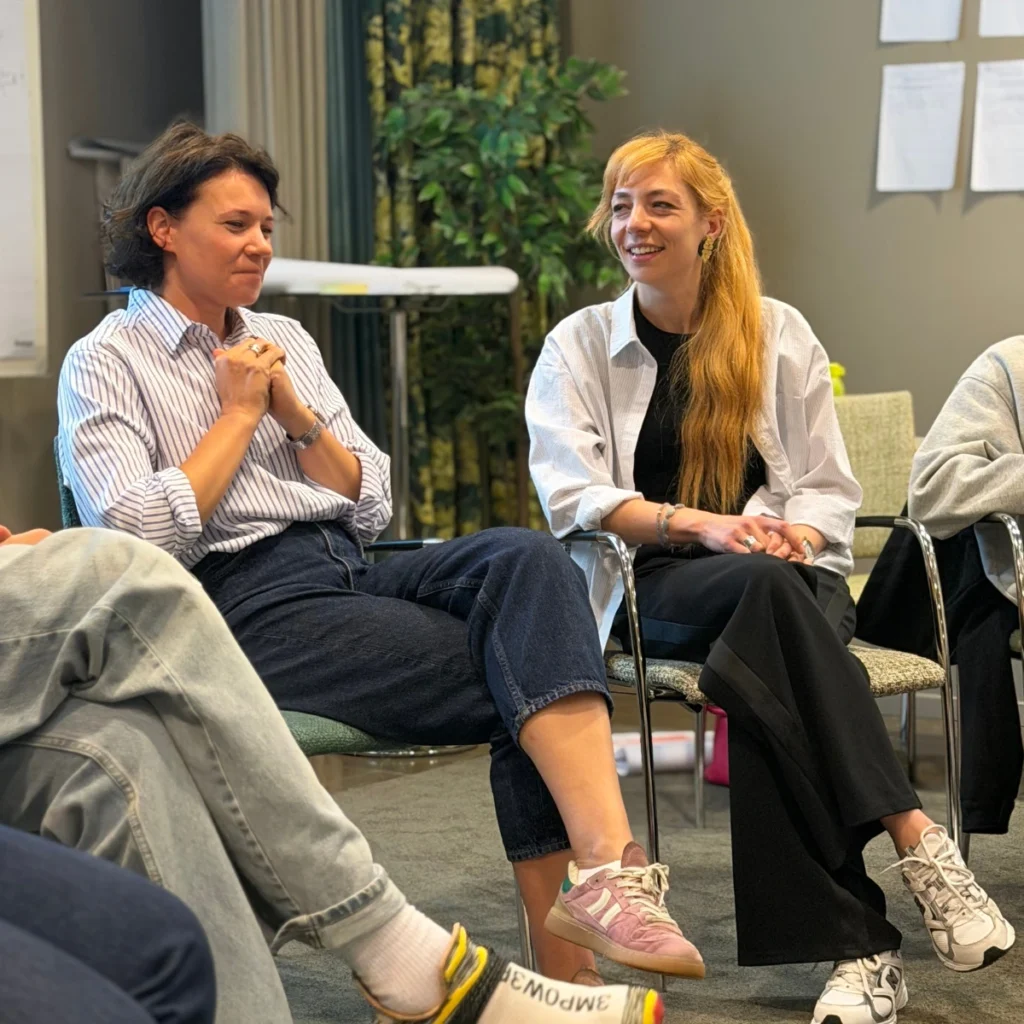
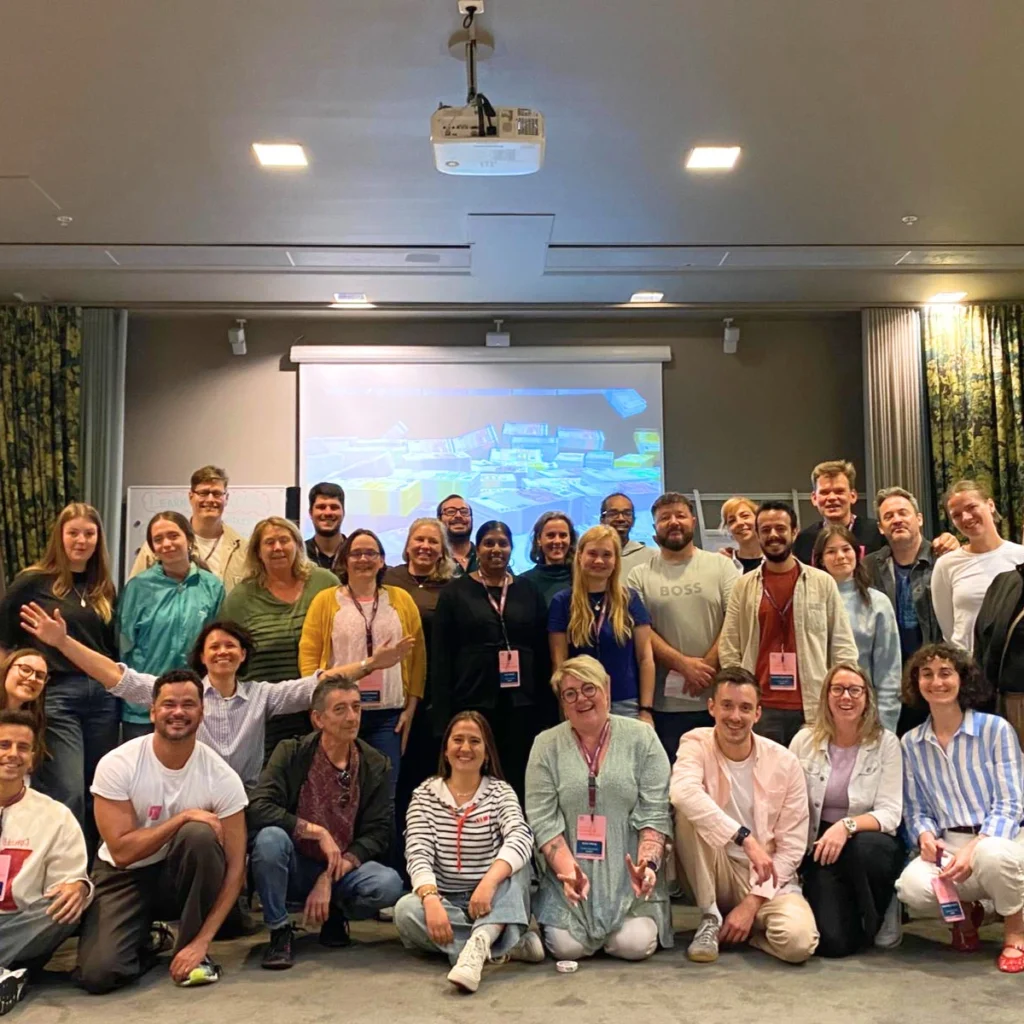
From 1–5 June 2026, Youth Power Germany had the privilege of participating in the Seminar for Accredited Organisations in Malmö, Sweden. Organised with the support of the Swedish Agency for Youth and Civil Society (MUCF) and the Estonian Education and Youth Board (Harno), the seminar brought together accredited Erasmus+ organisations from across Europe to exchange experiences, strengthen cooperation, and reflect on the future of quality youth work.

Learning, Sharing, and Growing Together

As an organisation dedicated to creating meaningful learning opportunities for young people and youth workers, Youth Power Germany strongly believes in the importance of spaces where organisations can come together to learn from one another. While accreditation provides a framework for long-term development and quality assurance, it is through dialogue, cooperation, and mutual learning that organisations continue to grow and improve.


Throughout the seminar, participants explored a wide range of topics related to accreditation and project implementation, including participant engagement, activity management, impact assessment, quality assurance, budget management, reporting, networking, and partnership development. These discussions offered valuable insights into the different approaches used by accredited organisations across Europe and highlighted the diversity of contexts in which youth work takes place.

One of the most enriching aspects of the seminar was the opportunity to exchange experiences with organisations working with different target groups and communities. Despite our diverse realities, we share a common goal: creating better opportunities for young people and ensuring that Erasmus+ continues to have a meaningful impact on their lives. Listening to the experiences of colleagues from different countries provided inspiration, fresh perspectives, and practical ideas that can strengthen our own work.


The seminar also encouraged reflection on impact measurement and quality management. Through these discussions, we were pleased to discover that several practices already implemented by Youth Power Germany are considered valuable examples within the sector. In particular, our six-month follow-up surveys, which allow us to assess the medium-term impact of Youth Exchanges and Training Courses, generated positive discussions about how organisations can better understand and demonstrate the long-term value of their activities.

Another particularly interesting topic was the growing use of Artificial Intelligence in project management and administration. While digital tools can undoubtedly improve efficiency and support organisational processes, the discussions also highlighted the importance of maintaining strong quality control systems and human oversight. At Youth Power Germany, we believe that technology should support quality youth work, not replace the personal guidance, attention, and participant-centred approach that remain essential to successful Erasmus+ projects.


The seminar also provided an opportunity to share some of the systems that have strengthened our own work over recent years. For example, having a dedicated Logistics Manager for accreditation projects has significantly improved the quality and efficiency of our activities before, during, and after implementation. 

Exchanging these experiences with other organisations reinforced our belief that investing in participant support and organisational quality ultimately leads to better outcomes for everyone involved.

Beyond the formal programme, the seminar demonstrated the true value of European cooperation. New partnerships were explored, future collaborations discussed, and connections established that will continue long after the event itself. These moments of networking and informal exchange are often where some of the most valuable learning takes place, creating opportunities for organisations to support one another, share resources, and develop innovative ideas together.


For Youth Power Germany, this experience served as a reminder that continuous learning is one of the foundations of quality youth work. No organisation has all the answers, and the willingness to remain open to new perspectives is essential for growth. Events such as this allow organisations not only to improve their own practices but also to contribute to a stronger and more connected European youth sector.

We would like to express our sincere gratitude to the Swedish Agency for Youth and Civil Society (MUCF), the Estonian Education and Youth Board (Harno), the facilitators, and all participating organisations for making this seminar such a valuable and inspiring experience. Their dedication to creating spaces for learning, reflection, and cooperation demonstrates the importance of investing not only in projects themselves but also in the people and organisations that make those projects possible.


We are deeply thankful for the invitation and proud to have contributed our own experiences while learning from others. Seminars like this play a crucial role in maintaining and improving quality standards, fostering innovation, building partnerships, and creating synergies between organisations working across Europe.


Youth Power Germany remains fully committed to cooperation, mutual learning, and continuous improvement. We believe that by sharing knowledge, discussing challenges openly, and learning from one another, we can continue creating better opportunities for young people and strengthening the impact of Erasmus+ across Europe.


We look forward to future opportunities to work alongside inspiring organisations, develop new partnerships, and continue building a stronger, more connected, and more innovative youth sector together.

Share this post

Facebook
Twitter
LinkedIn

Conference: Inclusive Futures – Strengthening Meaningful Youth Participation

Conference: Inclusive Futures – Strengthening Meaningful Youth Participation

On 21st March 2026, Youth Power Germany e.V. took part in the final session of the Inclusive Futures series, held in Frankfurt. The event gathered over 100 participants, including youth leaders, NGO representatives, activists, and policymakers, creating a dynamic space for dialogue on inclusive societies and meaningful youth participation. The day was characterised by a rich program of activities, workshops, exchange, and collaboration, fostering meaningful interactions and shared learning among participants. 

The Conference

The Inclusive Futures series was organized by the International Peace Youth Forum (IPYF) , as part of the International Peace Youth Group (IPYG), a global youth network dedicated to promoting peace, dialogue, and active citizenship among young people. With members and activities spanning numerous countries, IPYG works to empower youth as key actors in building more peaceful and inclusive societies through education, workshops, and international cooperation initiatives.


Its activities focus on fostering youth engagement, encouraging intercultural dialogue, and supporting young people in taking an active role in addressing global challenges and shaping their communities.

The initiative was strongly rooted in a collaborative approach and co-created in close partnership with the organizations Lomahn, NaturKultur, and Iranische Hilfe. This collaboration represented a key pillar of the project, bringing together diverse expertise, perspectives, and resources in a shared effort to promote inclusive and participatory approaches, and highlighting the importance of joint action and mutual support in addressing complex societal challenges.


The Inclusive Futures initiative addresses a critical global challenge: despite representing a significant proportion of the population, young people remain underrepresented in decision-making processes. The forum responded to this gap by fostering spaces where youth are not only included symbolically, but actively engaged in shaping discussions and contributing to solutions.


As part of the program, Youth Power Germany e.V. contributed through both a workshop and participation in the panel discussion.


The workshop introduced the topic of inclusion through a creative and participatory approach.


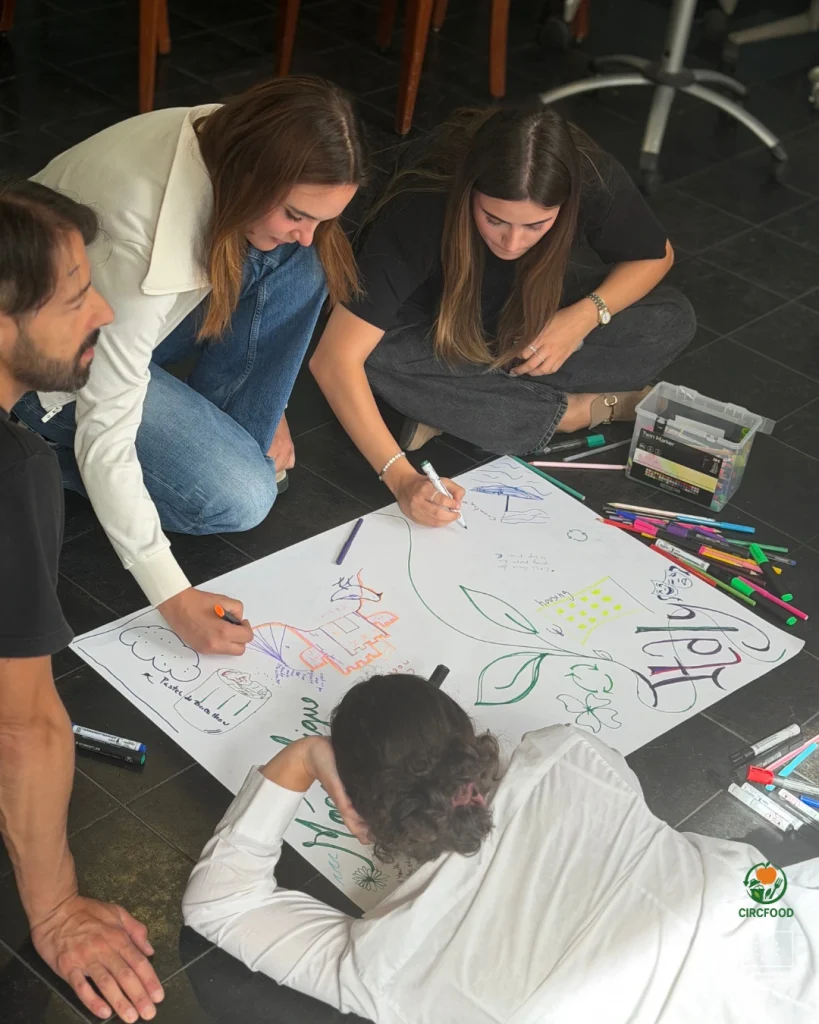
By focusing on shared experiences rather than theoretical definitions, the session aimed to promote connections among participants and encourage critical reflection on inclusive practices. Through interactive exercises, movement based activities and visual art, participants explored how inclusion can be translated into concrete actions within their communities and professional contexts.


In addition, Youth Power Germany e.V. was represented in the panel discussion, contributing to a broader exchange on inclusive futures. The discussion focused on identifying current challenges, proposing new approaches, and sharing practical tools to enhance inclusion within youth work and civil society.

To contribute in a practical way and to propose concrete tools and solutions, Youth Power Germany e.V. presented the project Beyond Tokenism: Youth Leading Inclusion (BETYLI), together with the materials and resources developed within the initiative. The project was introduced as both an awareness-raising framework and a practical tool for organizations and young people aiming to move beyond symbolic forms of inclusion.


BETYLI promotes a shift from mere representation towards shared ownership, ensuring that young people are not only present, but actively engaged in shaping processes, decisions, and outcomes. Through tools such as the Inclusion Index Calculator, as well as educational resources and participatory training formats, the initiative provides concrete methodologies to identify, assess, and transform tokenistic practices into authentic, youth-led inclusion.


The conference also created space for active youth engagement through the “Open Chair” format, allowing participants to directly intervene, ask questions, and contribute to the discussion. This interactive element reinforced the core objective of the event: ensuring that youth voices are not only heard, but integrated into ongoing dialogue and action.


Overall, the event provided a valuable platform for exchange, reflection, and collaboration, highlighting the importance of moving from tokenistic approaches to genuine inclusion and shared responsibility in shaping the future.

Share this post

Facebook
Twitter
LinkedIn

Article: Inclusion of Deaf and Hard-of-Hearing People in Rural Areas: Challenges and Opportunities

Article: Inclusion of Deaf and Hard-of-Hearing People in Rural Areas: Challenges and Opportunities

Inclusion shouldn’t depend on where you live.
In rural areas, deaf and hard-of-hearing people often face limited access to services, education, and communication support. Distance, lack of resources, and low awareness can lead to isolation but with community-based solutions and better infrastructure, inclusion is possible everywhere.

Inclusion of Deaf and Hard-of-Hearing People in Rural Areas

Inclusion is often discussed as a universal right, yet in practice it is deeply shaped by geography. For deaf and hard-of-hearing people, living in a rural area can significantly affect access to services, opportunities, and participation in community life. While urban environments tend to concentrate resources and infrastructure, rural areas frequently reveal the structural gaps that persist in achieving inclusive societies.


One of the most pressing challenges in rural areas is limited access to essential services. Specialised support such as sign language interpreters, audiologists, or inclusive education professionals is often scarce or entirely unavailable. Public services, including healthcare, administrative offices, and social support systems, may not be equipped to communicate effectively with deaf and hard-of-hearing individuals. As a result, everyday tasks that others take for granted, such as visiting a doctor or handling official paperwork, can become complex and exclusionary experiences.

Geographic isolation further compounds these barriers. Rural residents often need to travel long distances to access specialized services, with limited public transport options available. Emergency systems frequently rely on voice-based communication, creating additional risks for those who cannot use traditional phone services. This physical distance from resources not only limits access but can also reduce independence, forcing individuals to rely on others for support.


Education represents another area where inequalities are particularly visible. Rural schools may lack the resources to provide interpreters, note-taking assistance, or teachers trained in inclusive education methods. Deaf and hard-of-hearing students may struggle to fully participate in classroom activities, which can impact both academic outcomes and social integration. In some cases, families are faced with difficult decisions, such as relocating to urban areas to ensure access to appropriate education.


Beyond institutional barriers, social dynamics in rural areas can contribute to exclusion. Smaller populations often mean fewer opportunities to connect with other deaf or hard-of-hearing individuals, limiting the development of community and shared identity. Awareness of deaf culture and communication needs may also be lower, leading to misunderstandings or unintentional exclusion in everyday interactions. This can result in feelings of isolation, particularly among young people who are still forming their sense of identity and belonging.


The digital divide adds another layer of complexity. While digital tools such as video interpreting or text-based communication platforms—have the potential to bridge gaps in access, rural areas may face challenges related to internet connectivity, infrastructure, and digital literacy. Without reliable access to these tools, the benefits of digital inclusion remain unevenly distributed.


Economic opportunities are similarly constrained. Rural labor markets are typically smaller, and inclusive employment practices may be less developed or less enforced. Deaf and hard-of-hearing individuals may encounter additional barriers in accessing vocational training or finding employers willing and able to provide necessary accommodations. This can lead to higher levels of economic dependency and reduced career prospects.

Despite these challenges, rural areas also hold potential for more inclusive, community-based approaches. Strong local networks and closer social ties can create supportive environments when awareness and inclusion are actively promoted. Initiatives such as mobile services, outreach programs, and local capacity-building particularly through training teachers, healthcare providers, and municipal staff can make a significant difference. Digital solutions, if supported by adequate infrastructure, also offer opportunities to connect individuals with services and communities beyond their immediate location.


Ultimately, the situation of deaf and hard-of-hearing people in rural areas highlights a broader issue of structural inequality. Inclusion should not depend on where someone lives, yet for many, geography remains a decisive factor in determining access to rights and opportunities. Addressing this imbalance requires a shift from centralized models of service delivery toward more flexible, decentralized, and community-driven approaches.


Rather than viewing rural inclusion as a secondary concern, it should be understood as a critical test of how inclusive systems truly are. If inclusion can be achieved in contexts with fewer resources and greater distances, it becomes more resilient, equitable, and meaningful for all.

Funded by the European Union. Views and opinions expressed are however those of the author(s) only and do not necessarily reflect those of the European Union or the European Education and Culture Executive Agency (EACEA). Neither the European Union nor EACEA can be held responsible for them.
An Art Campaign on Inclusive Societies

An Art Campaign on Inclusive Societies

Youth Voices for Inclusion: A Creative Art Campaign on Inclusive Societies

How can art help us imagine a more inclusive society?


Following the youth exchange “Inclusive Societies: An Experiential Art-Lab”, young participants launched a creative online art campaign where they present their own video works exploring what inclusion means in their everyday lives. Through this campaign, the participants transform their reflections, emotions, and experiences into artistic expressions that invite others to think about belonging, diversity, and empathy.


During the exchange, participants explored the idea that inclusive societies are not automatic—they are built through dialogue, understanding, and the willingness to see the world from different perspectives. Using artistic practices such as video creation, performance, and visual expression, they reflected on their own identities and on the diverse realities of the people around them.


As a result of this creative process, the participants designed a series of art videos forming a youth-led campaign on inclusive societies. Each video highlights different themes connected to inclusion, such as awareness, resilience, empathy, diversity, and belonging. The campaign amplifies youth voices and encourages viewers to reflect on how societies can become more open and welcoming for everyone.


Video was chosen as the main medium because it allows participants to combine storytelling, imagery, and emotion. Through this format, they were able to frame personal narratives, challenge stereotypes, and express their visions of communities where diversity is valued rather than feared.


The campaign is not only an artistic project, but also a form of youth engagement with social issues. By creating and sharing their work online, participants contribute to wider conversations about inclusion and encourage others to reflect on their own role in building more tolerant and diverse societies.


Through creativity and collaboration, the campaign demonstrates how young people can use art as a powerful tool for dialogue and social awareness. Their videos invite audiences to look beyond differences and imagine new narratives of belonging.


This initiative contributes to European Youth Goal #3: Inclusive Societies, promoting tolerance, acceptance, and intercultural dialogue while empowering young people to express their perspectives through art.


🎥 Explore the art videos and discover the voices of young people imagining inclusive societies.

Watch the Campaigns

Von der Europäischen Union finanziert. Die geäußerten Ansichten und Meinungen entsprechen jedoch ausschließlich denen des Autors bzw. der Autoren und spiegeln nicht zwingend die der Europäischen Union oder der Europäischen Exekutivagentur für Bildung und Kultur (EACEA) wider. Weder die Europäische Union noch die EACEA können dafür verantwortlich gemacht werden.


Funded by the European Union. Views and opinions expressed are however those of the author(s) only and do not necessarily reflect those of the European Union or the European Education and Culture Executive Agency (EACEA). Neither the European Union nor EACEA can be held responsible for them.

Share this post

Facebook
Twitter
LinkedIn

Building Bridges of Inclusion: Why the SignUnity Partnership Ecosystem Matters

Building Bridges of Inclusion: Why the SignUnity Partnership Ecosystem Matters

Inclusion is often spoken about as a value. Less often do we speak about the systems that make it possible. For deaf and hard-of-hearing individuals, inclusion depends not only on awareness or goodwill, but on something very concrete: access to qualified sign language interpreters. When interpreters are well trained, ethically grounded, and professionally recognised, communication barriers are reduced and participation becomes possible. When they are not, exclusion quietly persists.


Across many regions in Europe and Sub-Saharan Africa, the training of sign language interpreters remains inconsistent or underdeveloped. In some contexts, programmes are informal or short-term. In others, curricula lack standardisation or alignment with labour market realities. Ethical frameworks may exist in principle but are not always embedded in training structures. The result is a shortage of qualified professionals and uneven service quality. For deaf individuals, this translates into difficulties accessing healthcare, navigating legal systems, participating fully in education, or securing employment. The impact is social, economic, and deeply personal.


The SignUnity partnership ecosystem was created in response to this structural challenge. Rather than approaching the issue through a single intervention, the initiative brings together a network of organisations from Europe and Africa that operate at different levels of the education and inclusion landscape. It connects deaf community organisations, universities, vocational education providers, secondary schools, digital learning specialists, and youth actors into one coordinated framework. The strength of this model lies not simply in the number of partners involved, but in the way their roles interconnect.

At the centre of the ecosystem stands a strong coordinating institution with deep roots in the deaf community and experience in vocational education. This ensures that the project remains grounded in lived realities rather than abstract policy ambitions. Alongside this community-based leadership, academic expertise plays a crucial role. Through research and comparative analysis, existing training models are mapped, labour market needs are examined, and professional standards are reviewed across regions. This research foundation ensures that the curriculum being developed is not only aspirational, but evidence-based and responsive to actual demands.


Equally important is the anchoring of the project within African institutions that face acute interpreter shortages. By involving local associations and educational institutions directly in piloting and refining the training model, the partnership avoids a one-directional transfer of knowledge. Instead, it fosters mutual learning. European partners contribute structured vocational education models and experience with quality assurance mechanisms, while African partners bring contextual understanding, linguistic diversity, and insights into institutional realities. This shared ownership increases both relevance and sustainability.

One of the defining features of the SignUnity ecosystem is its integration of digital innovation. The development of an e-learning platform ensures that the new curriculum and ethical handbook are not confined to physical classrooms or limited geographic areas. By digitising materials and making them accessible online, the project reduces barriers related to distance, cost, and infrastructure. In regions where access to formal training may be limited, digital tools become a powerful equaliser. They also extend the lifespan of the project’s outcomes, allowing materials to be updated and used beyond the funded period.


What makes this ecosystem particularly significant is its systemic ambition. The goal is not only to train a cohort of interpreters, but to strengthen the institutions that educate them. Universities enhance their curricula. Vocational education providers refine their methodologies. Deaf associations deepen their engagement in professional standards. Digital providers establish sustainable platforms. By reinforcing institutional capacity, the partnership contributes to long-term resilience rather than temporary solutions.


The professionalisation of sign language interpreting is more than a sectoral reform; it is closely linked to human rights. Communication access is foundational to equality. Without reliable interpreting services, participation in public life remains conditional. Strengthening training standards, embedding ethical guidelines, and aligning qualifications with labour market expectations are steps toward ensuring that interpreting is recognised as a profession with clear responsibilities and societal value.


The importance of the SignUnity partnership ecosystem therefore extends beyond the field of interpreter education. It demonstrates how inclusive societies are built through collaboration across borders and sectors. By linking research with practice, community knowledge with institutional development, and digital innovation with vocational training, the project offers a model for addressing complex social challenges.


In a world where inclusion is often discussed in policy terms, the SignUnity ecosystem reminds us that inclusion requires infrastructure. It requires trained professionals, supportive institutions, shared standards, and sustained cooperation. By building bridges between Europe and Africa and between education systems and community realities, this partnership contributes to a future in which communication is not a barrier but a right upheld through professional excellence.

Funded by the European Union. Views and opinions expressed are however those of the author(s) only and do not necessarily reflect those of the European Union or the European Education and Culture Executive Agency (EACEA). Neither the European Union nor EACEA can be held responsible for them.

Share this post

Facebook
Twitter
LinkedIn

Article: SignUnity – Why Sign Language Interpreter Training Matters Across Continents

Article: SignUnity – Why Sign Language Interpreter Training Matters Across Continents

Around the world, millions of Deaf and hard-of-hearing people face barriers not because they lack skills or ambition, but because communication is inaccessible. Sign language interpreters play a vital role in breaking down these barriers. They enable access to education, healthcare, employment, public services, and participation in community life.


Yet in many countries, there are simply not enough trained sign language interpreters. This is why vocational education and training (VET) for sign language interpreters is so important — for Europe, for Sub-Saharan Africa, and for the global sign language community.

Access Starts with Language

Sign languages are full, natural languages that are central to Deaf culture and identity. When Deaf people can communicate in their own language, they can learn, work, advocate for themselves, and fully participate in society.


Many governments and institutions have recognised this in law and policy. However, rights on paper do not always translate into reality. Without qualified interpreters, Deaf people are often excluded from classrooms, medical consultations, legal processes, and public life.

Training professional sign language interpreters is therefore not a luxury — it is a necessity for inclusive societies.

Why Vocational Training Makes a Difference

Being fluent in sign language is not enough to work as an interpreter. Interpreting requires specialised training, including ethics, accuracy, confidentiality, and the ability to work in sensitive and complex settings.


Quality VET programmes help to:

  • Prepare interpreters for real-life professional situations

  • Ensure high standards and ethical practice

  • Create recognised career paths and improve working conditions

  • Build trust between Deaf communities, service providers, and institutions


When training is weak or informal, Deaf people often receive inconsistent or inadequate support, and interpreters themselves lack recognition and sustainability.

Different Contexts, Shared Challenges

Europe

In Europe, sign languages are increasingly recognised, and accessibility is embedded in many public systems. However, demand for interpreters continues to outpace supply. Deaf learners struggle to access education, public services lack interpretation, and many interpreters leave the profession due to limited training opportunities and support.

Strengthening VET systems helps turn legal commitments into real access.


Sub-Saharan Africa

In Sub-Saharan Africa, the situation is more urgent. In many countries, formal interpreter training programmes do not exist at all. Deaf children are often excluded from education, and adults face major barriers to employment and public participation.

Here, investing in interpreter training helps build inclusive systems from the ground up. It empowers Deaf communities, strengthens local capacity, and opens pathways to education and work.


One Global Community

While sign languages differ across regions, the need for access is universal. Deaf communities around the world share common challenges  and common goals.


Cross-continental cooperation allows organisations, educators, and Deaf leaders to exchange knowledge, strengthen training approaches, and develop sustainable solutions that respect local contexts while promoting quality and inclusion.

Why This Matters to All of Us

Inclusive societies are stronger societies. When communication is accessible, everyone benefits:

  • Education becomes fairer

  • Public services become more effective

  • Workplaces become more inclusive

  • Communities become more connected


Investing in sign language interpreter training is an investment in equality, human rights, and social cohesion. Across continents, strengthening VET for sign language interpreters means ensuring that Deaf people are not left behind — and that everyone has the opportunity to be heard and understood.

Funded by the European Union. Views and opinions expressed are however those of the author(s) only and do not necessarily reflect those of the European Union or the European Education and Culture Executive Agency (EACEA). Neither the European Union nor EACEA can be held responsible for them.

Share this post

Facebook
Twitter
LinkedIn

Article: SignUnity – Advancing Access, Skills, and Inclusion through Sign Language VET

Article: SignUnity – Advancing Access, Skills, and Inclusion through Sign Language VET

Access to communication is a fundamental human right. Yet for many Deaf and hard-of-hearing people, equal access to education, employment, public services, and civic life remains limited due to a shortage of well-trained, ethically grounded sign language interpreters. SignUnity was created to respond to this challenge.


SignUnity is an international Erasmus+ Capacity Building in Vocational Education and Training (CB-VET) project that brings together partners from Europe and Sub-Saharan Africa to strengthen vocational education and training for sign language interpreters. At its core, the project stands for access, skills, and inclusion—three interconnected principles that guide all activities and outcomes.

What SignUnity Stands For

1. Access: Communication without Barriers


Access is the starting point of SignUnity. Without qualified interpretation, Deaf and hard-of-hearing people face systemic barriers in education, healthcare, justice, employment, and public life.


SignUnity works to:

  • Improve access to high-quality sign language interpreting services

  • Support the professionalisation of interpreting as a recognized VET pathway

  • Reduce inequalities in access between regions with well-established training systems and those where formal interpreter education is still emerging


By strengthening interpreter training structures and promoting shared standards, SignUnity contributes to more equitable access to information and services across borders.

2. Skills: Building Professional and Ethical Competence

High-quality access depends on high-quality skills. SignUnity focuses on strengthening both technical competence and ethical professionalism in sign language interpreting.


The project aims to:

  • Co-develop a modern, competence-based VET curriculum for sign language interpreters

  • Strengthen pedagogical capacity among VET educators and trainers

  • Promote a shared understanding of professional ethics, quality standards, and responsibility


SignUnity goes beyond language skills alone. It addresses:

  • Interpreting ethics and confidentiality

  • Cultural and community awareness

  • Professional conduct and continuous learning

  • Digital and blended learning competences


Through these elements, the project supports interpreters not only as language mediators, but as key actors in inclusive societies.

3. Inclusion: Centering Deaf Communities

Inclusion is not an add-on—it is a guiding principle. SignUnity places Deaf and hard-of-hearing communities at the heart of the project, recognising them as rights-holders, experts, and partners.


The project promotes inclusion by:

  • Ensuring that Deaf perspectives inform curriculum design and standards

  • Strengthening cooperation between training institutions, interpreters, and Deaf organisations

  • Supporting culturally and linguistically appropriate approaches across regions


By reinforcing the link between interpreter training and the real needs of Deaf communities, SignUnity contributes to more trust, quality, and accountability in interpreting services.

A Cross-Regional Partnership for Shared Learning

One of SignUnity’s strongest assets is its cross-regional partnership, bringing together organisations from Europe and Sub-Saharan Africa with complementary experience in:

  • VET and interpreter education

  • Deaf community advocacy

  • Linguistic and sign language research

  • Digital education and e-learning


This cooperation allows partners to exchange knowledge as equals, address regional gaps, and co-create solutions that are adaptable, sustainable, and context-sensitive.

Long-Term Impact

Through its focus on access, skills, and inclusion, SignUnity aims to generate impact at multiple levels:

  • For learners and interpreters: improved training quality, clearer professional pathways, and stronger recognition

  • For VET providers: modernised curricula, digital tools, and strengthened teaching capacity

  • For Deaf communities: better access to qualified, ethical interpreting services

  • For systems: stronger alignment with inclusive education and employment policies


Ultimately, SignUnity contributes to a future where communication barriers are reduced, professional standards are strengthened, and inclusive participation becomes the norm rather than the exception.

Funded by the European Union. Views and opinions expressed are however those of the author(s) only and do not necessarily reflect those of the European Union or the European Education and Culture Executive Agency (EACEA). Neither the European Union nor EACEA can be held responsible for them.

Share this post

Facebook
Twitter
LinkedIn