Our New Brand Identity – Youth Power Germany

Our New Brand Identity – Youth Power Germany

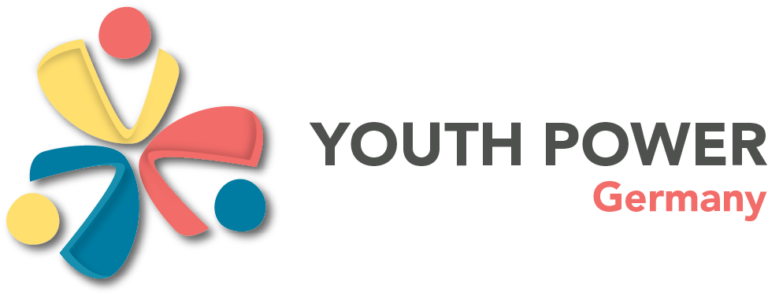
Welcome to the fresh, vibrant world of Youth Power Germany! We are thrilled to introduce our new brand identity, a symbol that encapsulates the dynamic spirit of today’s youth. Our logo isn’t just a design; it’s a bold statement about who we are and what we stand for.

The Essence of the Youth Power Germany Logo

The Youth Power Germany logo is more than just an emblem; it’s a reflection of the strength, diversity, and unity that define the young generation. Our logo’s smooth, rounded shapes are carefully crafted to represent the essence of young people – their playfulness, resilience, and endless potential. These flowing forms mirror the fullness of life, embodying similarities and differences that weave together into a powerful community.

A Palette that speaks volumes

Our color palette is deliberately chosen to exude both playfulness and determination. Bright, optimistic tones radiate positivity and well-being, embodying our commitment to fostering a brighter future. These colors aren’t just for show; they’re a visual commitment to our mission of making positive changes.


Our Commitment

This rebranding marks a significant mark in our journey. It stems from the need to integrate all aspects of our firm commitment to making the world brighter, fairer, and more united every day. At Youth Power Germany, we don’t just envision change; we turn possibilities into realities. Our new brand identity is a sign of hope and unity, guiding us towards a world that is not only brighter but also deeply connected by shared goals and aspirations.

Join us in this vibrant journey

As we embark on this exciting new chapter, we invite you to join us in embracing and promoting the values that our brand stands for. Together, let’s empower the youth, celebrate diversity, and build a world where every day is brighter, fairer, and united under the banner of Youth Power Germany.

Our former identity logo

You might notice that our previous publications still feature our former logo. This is a natural part of our transition journey. As a former sister organisation of Youth Power NGO, our previous logo has been a vital part of our story, symbolizing our dedication and achievements over the years. We are immensely grateful for the identity it gave us and the milestones it has seen us through.


♦ Moving forward, all our new publications and outputs will showcase our new logo. This change is more than a symbol; it’s a reflection of our ongoing commitment to adapt, grow, and innovate!

Share this post

Facebook
Twitter
LinkedIn

Noteingang Lichtenberg Campaign

Noteingang Lichtenberg Campaign

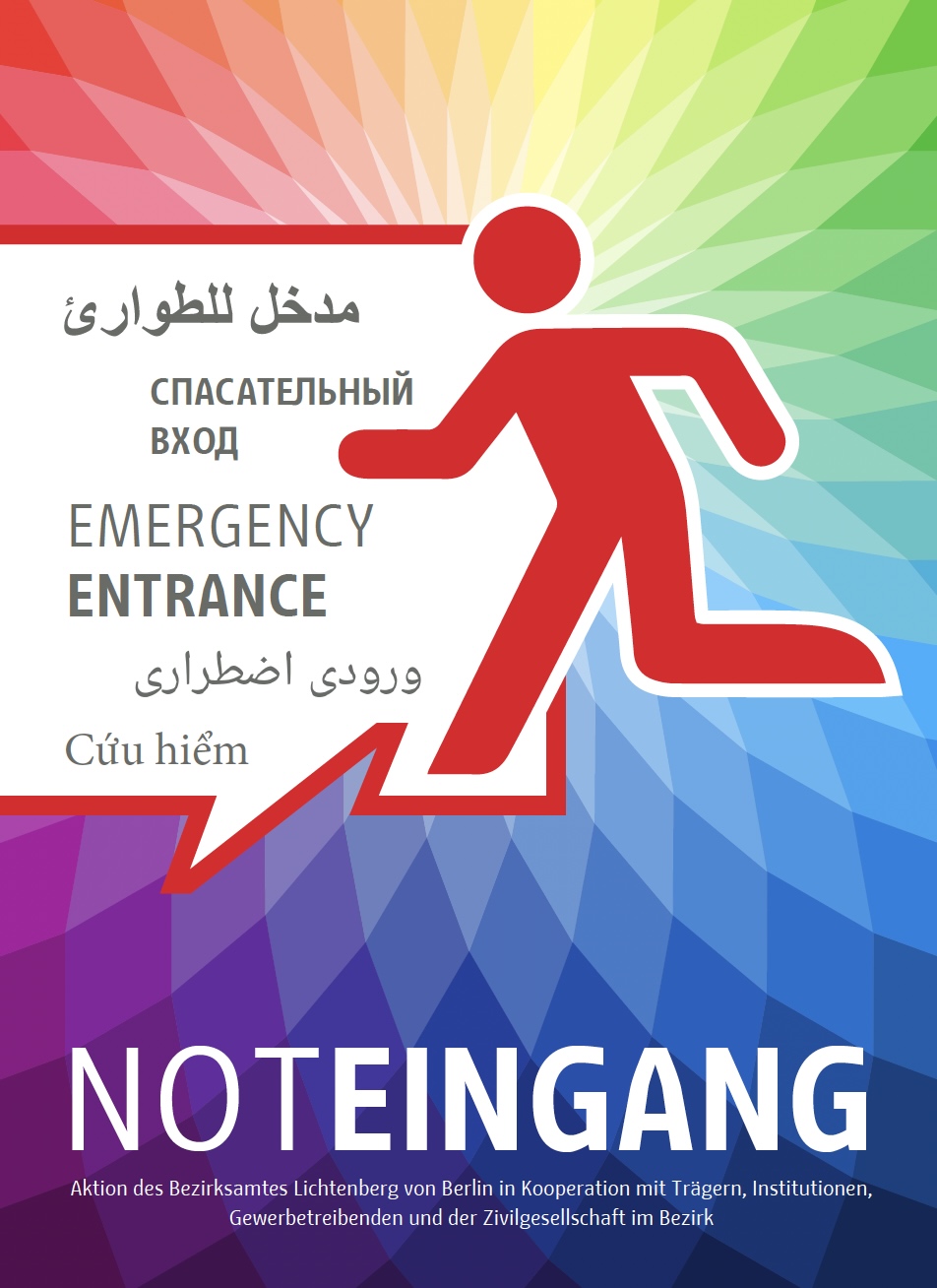
With the “Noteingang Lichtenberg” campaign, citizens of Lichtenberg (Berlin district) demonstrate that they do not tolerate hostility in their neighborhoods and are committed to supporting their fellow citizens. Various actors from the district participate in the campaign.

Noteingang Campaign

You place a sticker or a poster of the Emergency Entry campaign on your door or window, signaling to people who are or could be affected by physical or verbal violence that you offer them a point of contact. You thereby show that you are ready to stand by those affected in the case of hostility in public spaces. 

Youth Power Germany and the Campaign

As “Youth Power Germany e.V.”, we are proud to announce our participation in the “Noteingang Lichtenberg” campaign. By displaying the Emergency Entry sticker at our facility, we are taking a firm stand against hostility and misanthropy in our community. This initiative aligns seamlessly with our core values of promoting tolerance, diversity, and mutual respect among youth.


We understand the importance of creating safe and inclusive environments for all individuals, especially the younger generation. By being part of this campaign, we are not just displaying a sticker; we are committing to being a reliable point of contact for those who might be facing physical or verbal violence. Our doors are open to anyone seeking support, guidance, or just a safe space to be.


This campaign is more than just a symbolic gesture for us at Youth Power Germany e.V.; it is a reflection of our dedication to making our neighborhood a safer and more welcoming place for everyone. We believe that through collective efforts like the Noteingang campaign, we can make a significant impact in fostering a culture of understanding and support in our society.


We are excited to join hands with other businesses, social and youth facilities, bars, cafes, and fellow citizens in this vital initiative. Together, we can send a powerful message against intolerance and ensure that our community is a place where everyone feels safe and valued.

→ For more information about the Noteingang Campaign and how to participate click the button below to access the website.

Share this post

Facebook
Twitter
LinkedIn

Wellhoody Project Newsletter

Wellhoody Project Newsletter

Our first newsletter is out!

We are thrilled to share the latest news from our EU- funded Erasmus+ project, Wellhoody: Youth Participation and Wellbeing in Diverse Communities. Our project is a collaboration between seven partners from across Europe:

Folkuniversitetet (Sweden), Outside Media & Knowledge (Germany), Momentum (Ireland), Le Laba (France), Youth Power (Germany), Dramblys (Spain), and EUEI (Denmark).

As an initiative dedicated to fostering inclusive and diverse communities, our mission is to empower and inspire youth

through meaningful participation and wellbeing. Our Project Result 1 – Good Practice Guide: Youth Participation and Wellbeing in Diverse Communities, is designed to be a valuable resource for those who strive to create a world where every young person has the opportunity to thrive.


The Wellhoody Good Practice Guide’s purpose is to present youth workers and educators and youth group with 20+ examples of projects or initiatives that target the participation of youth from diverse communities (immigrants, refugees, native-born of immigrant families) in projects that have significant outcomes and contribute to their inclusion and development.

Share this post

Facebook
Twitter
LinkedIn

National Conference CritiDE – Germany

National Conference CritiDE – Germany

CritiDe is a project that aims to enhance the capacities of participating organizations, their local partners, and youth workers in the areas of critical thinking, youth activism in democratic processes, and media literacy skills. This will be accomplished through the creation and delivery of educational trainings for youth workers, as well as the development of educational handbooks and workshops. Additionally, an educational platform will be established, offering practical handbooks and online courses that provide guidance on adapting materials to the specific needs of local communities and the work of youth workers, educators, and professors. All consortium partners share a focus on working with young people, including those facing fewer opportunities, on topics such as social inclusion, democracy promotion, EU values, media literacy, and the development of innovative digital youth work methodologies and resources.

National Conference in Germany

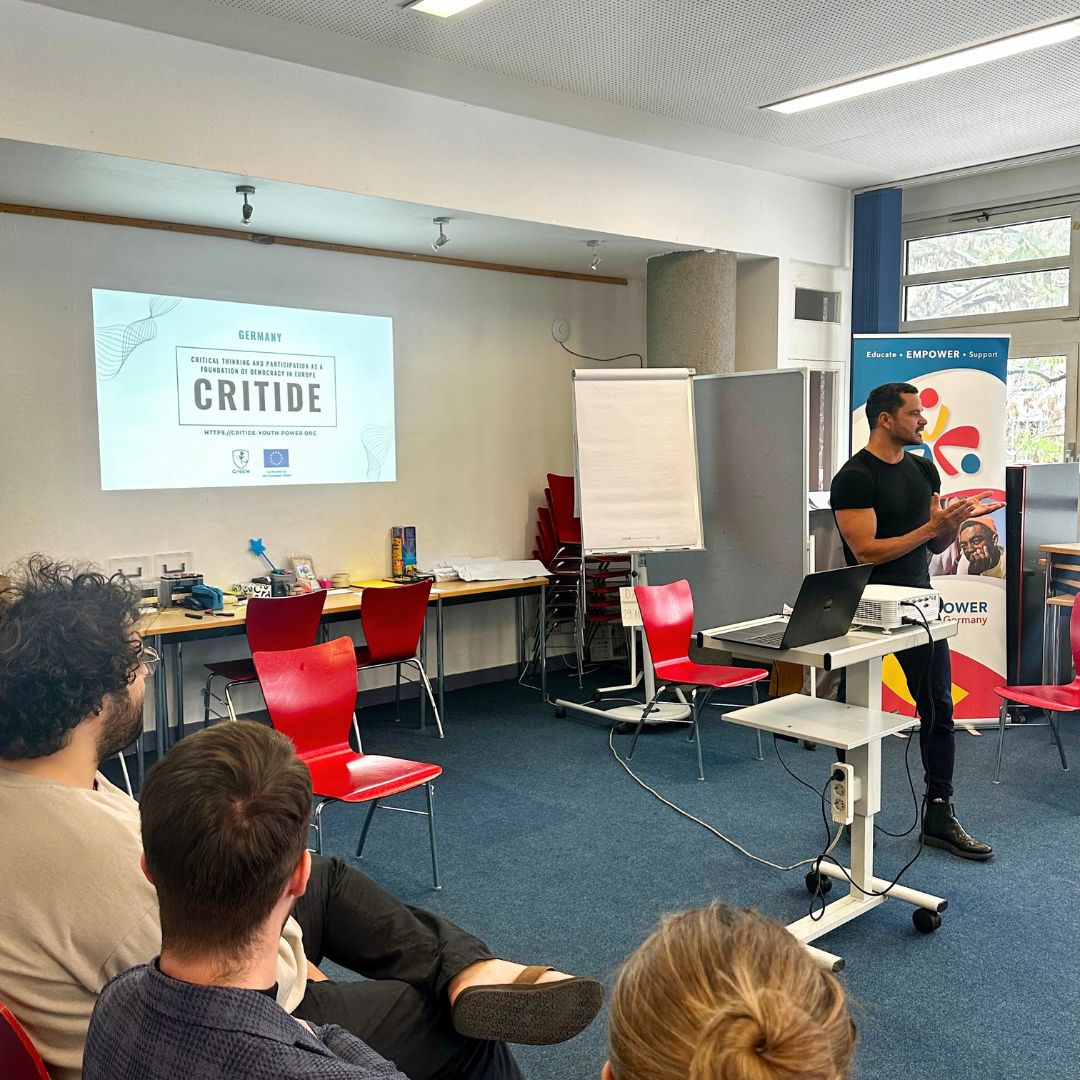
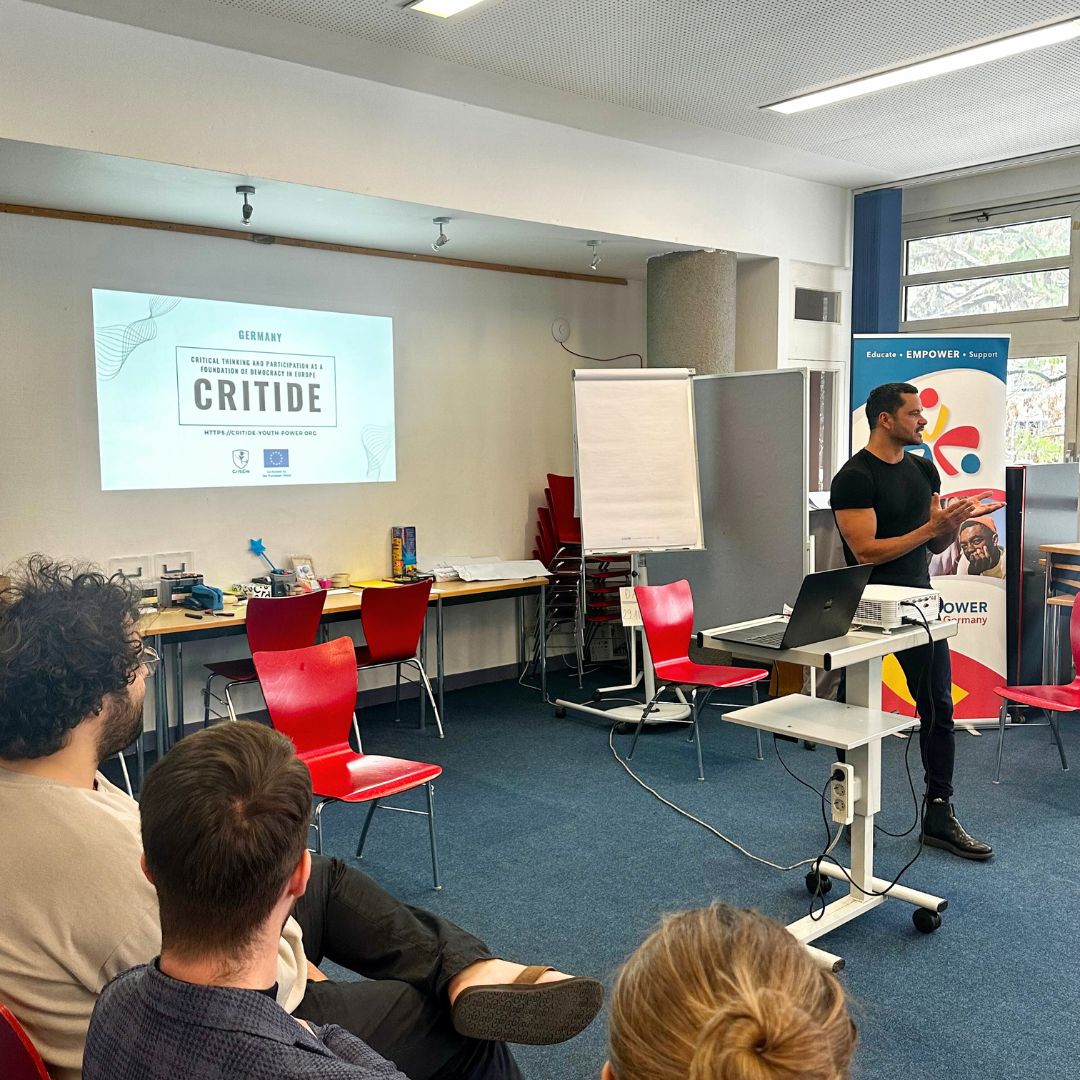
The “Critide: Critical Thinking and Participation as a Foundation of Democracy in Europe” conference on 29 November 2023, gathered 38 participants in Berlin. This event was important for advancing the dialogue on how critical thinking underpins democratic societies in Europe.

Key figures like Nedim Micijevic and Amar Hamzic, known for their innovative work in democratic education, shared their expertise in developing and implementing programs that engage youth and youth workers. Their approaches have been instrumental in nurturing a new generation of critically-minded and democratically active individuals.


A session led by Daniel Medeiros, an art educator and activist explored the intersection of art, democracy, and critical thinking, illustrating how artistic expression has both reflected and influenced democratic changes in Europe and South America. Medeiros provided tangible examples of art as a medium for political expression and social change, demonstrating its power to stimulate dialogue and challenge societal norms.


This conference highlighted the multidimensional nature of democracy and critical thinking. The diverse backgrounds of speakers like Micijevic, Amar Hamzic and Daniel Medeiros emphasized the project’s comprehensive strategy, which extends beyond traditional education. This approach signifies a broader understanding of democracy, recognizing that nurturing democratic values and critical thinking skills is a multifaceted endeavor involving various sectors of society.


The Agenda

The Critide conference agenda was meticulously planned, encompassing various critical elements to showcase and further the project’s mission. It kicked off with a detailed presentation of the Critide project, outlining its objectives, methodologies, and activities, providing a foundational understanding of its role in promoting critical thinking and democratic participation in Europe. Following this, the conference showcased the tangible intellectual outputs of the project, including educational materials and research findings, highlighting their contribution to the educational and democratic landscape.


An interactive Q&A session allowed for engaging discussions between participants and project leaders, fostering a deeper understanding of the project’s implications and challenges. A key feature of the conference was the practical workshop for youth workers, focusing on the application of a newly developed manual to encourage critical thinking and democratic engagement among young people.


To ensure the project’s continual improvement, feedback was collected from all attendees, an essential step for guiding future initiatives. Lastly, the conference introduced an online learning course and platform, key digital tools designed to extend the project’s reach, providing accessible and comprehensive educational content on democracy and critical thinking.


In essence, the Critide conference was a testament to the collaborative effort required to foster a well-informed, engaged, and democratic European community. It underscored the synergy among different fields in reinforcing democratic ideals, and the shared experiences and insights of the participants played a crucial role in enriching the discourse on democracy and critical thinking in Europe.


Share this post

Facebook
Twitter
LinkedIn

Article Report on the evaluation and exploration of Erasmus+ Project “CritiDE”

Article Report on the evaluation and exploration of Erasmus+ Project “CritiDE”

As the two-year Erasmus+ project “Critical Thinking and Participation as a Foundation of Democracy in Europe” reached its evaluation phase, a significant meeting was held in Podgorica, Montenegro, from December 4th to 9th, 2023. This crucial gathering involved 20 participants, each representing their project partners, encompassing two project staff and three youth workers actively engaged in the project’s activities.

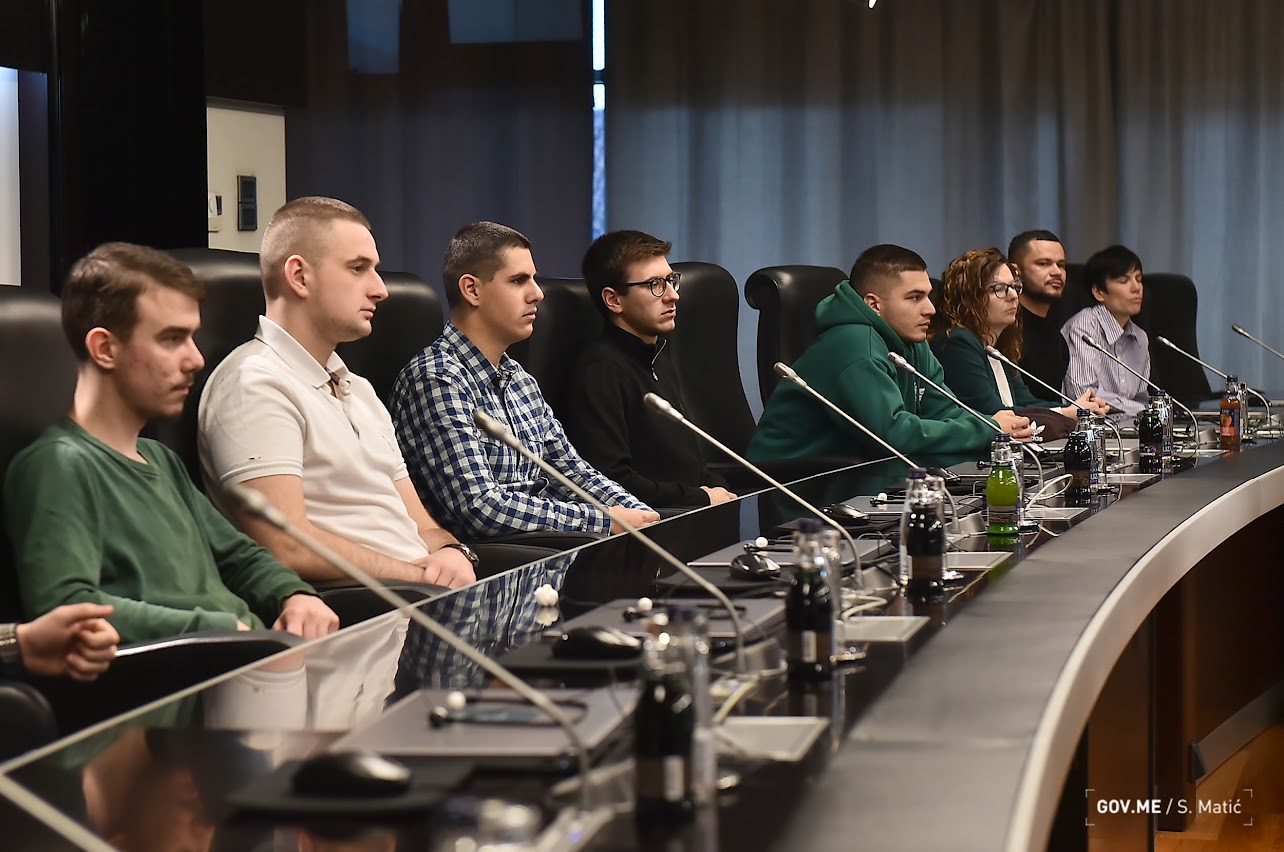
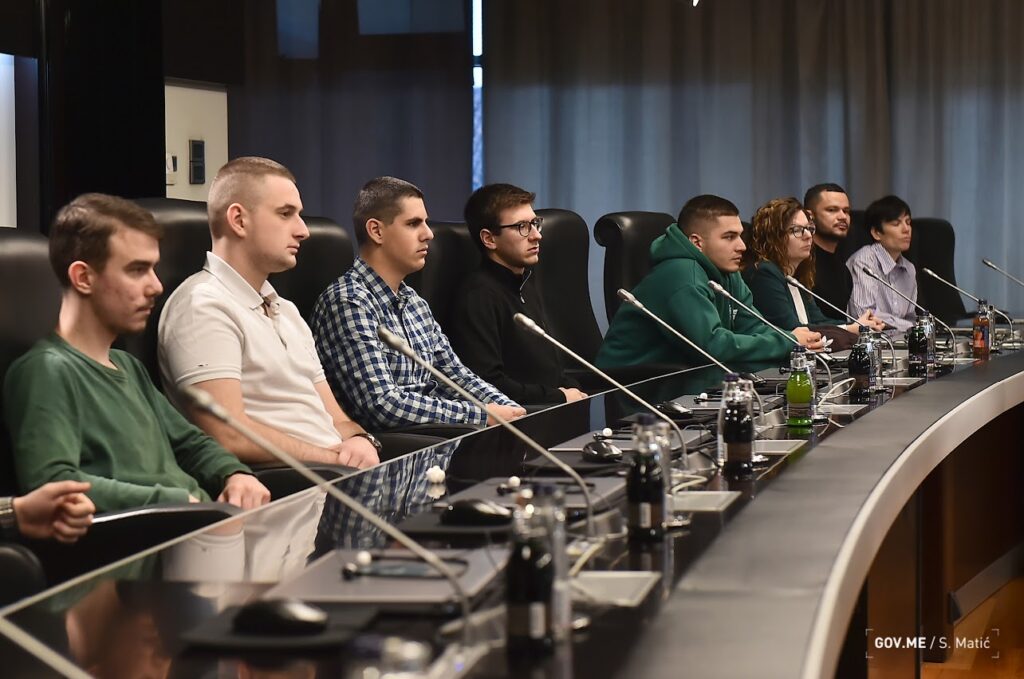
During this evaluation meeting, the participants embarked on a series of insightful visits to key Montenegrin institutions. These excursions provided a rare and valuable opportunity to delve into the intricacies of media literacy and democratic processes, guided by field experts. The visits afforded a comprehensive understanding of democracy’s multifaceted landscape and the essential role of media literacy. Engaging with key professionals, the participants gained invaluable insights into how different sectors contribute to developing a democratic society and the crucial role of media literacy.

The shared knowledge and experiences from these institutions deepened the participants’ understanding of the complex relationship between media, civil society, and governance in shaping a democratic landscape. Additionally, these visits added a significant layer of new insights to our activities’ evaluation, enhancing our understanding and shaping potential contributions to future projects.

The Journey

At the Agencija za elektronske medije Crne Gore, participants were greeted by Elvira Ceković, Head of Public Relations and General Affairs, and Srorđe Vujnović, Advisor to the Director of International Relations. The focus of this visit was on the agency’s approach to media regulation, censorship, and content control. Discussions with Ceković and Vujnović offered nuanced insights into balancing media freedom with responsible reporting, particularly concerning broadcasters.


The visit to RTCG – Radio Television of Montenegro, led by Miomir Maroš, a renowned TV author, Doctor of Communication, and University Professor, highlighted the transition from traditional to digital media. Maroš facilitated a deep dive into the ethical considerations in journalism and the critical role of public broadcasting in a democratic society, which are crucial for understanding media literacy.

At Prva TV Crna Gora, Executive Director Ivan Vukčević provided an in-depth analysis of operations in a private media setting. The discussions, contrasting private media with public broadcasting, centered on content creation, audience engagement, and the balance between commercial interests and journalistic integrity.


Igor Milošević, the founder of ADP-Zid, showcased the NGO’s role in promoting democratic participation, especially in a non-EU context. He detailed the strategies for youth engagement and the complexities of participating in cross-border collaborations under the Erasmus program.


Participants also visited the Građanski pokret URA, where Ana Novaković decembraurović, the Movement Director, and Dritan Abazović, President of URA and former Prime Minister, provided insights into URA’s approach to incorporating youth into political processes. The discussion spanned topics from policy-making to active youth engagement in politics, highlighting the party’s role in the civil sector.


At the NVO Centar za omladinsku edukaciju (COE), Executive Director Yugoslav Radović highlighted the organization’s initiatives, particularly the EYCA and SIA programs. Radović detailed how these programs empower youth for democratic participation, enhancing youth mobility, education, and their ability to contribute to society.


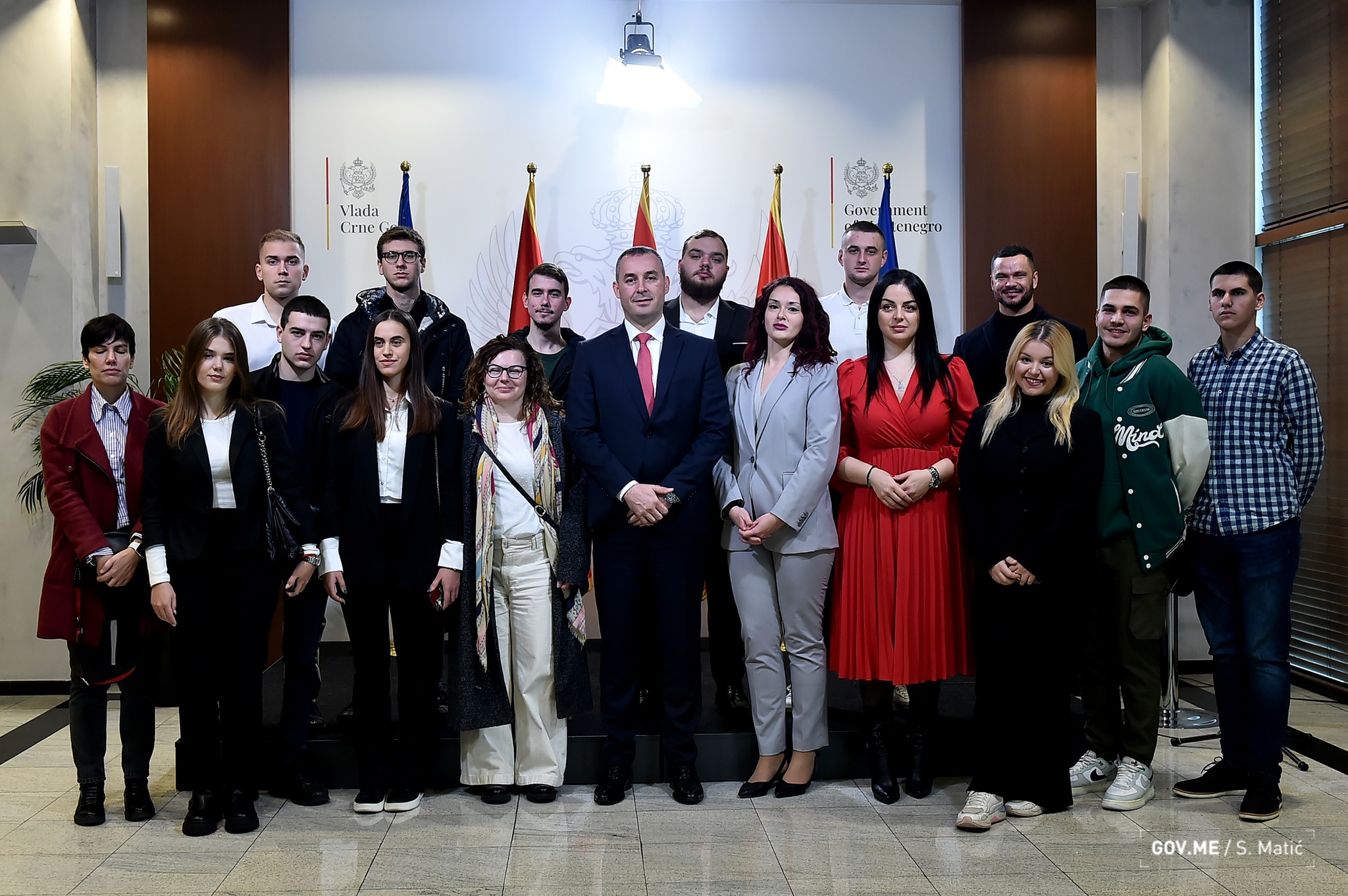
The visit to Vlada Crne Gore featured interactions with Dragoslav Šćekić, Deputy Prime Minister for Demography and Youth, and former Minister of Sport and Youth. Šćekić provided insights into the government’s strategies for youth development and democratic participation, discussing the EYCA program’s implementation and its role in facilitating young people’s access to education and networking at national and European levels.


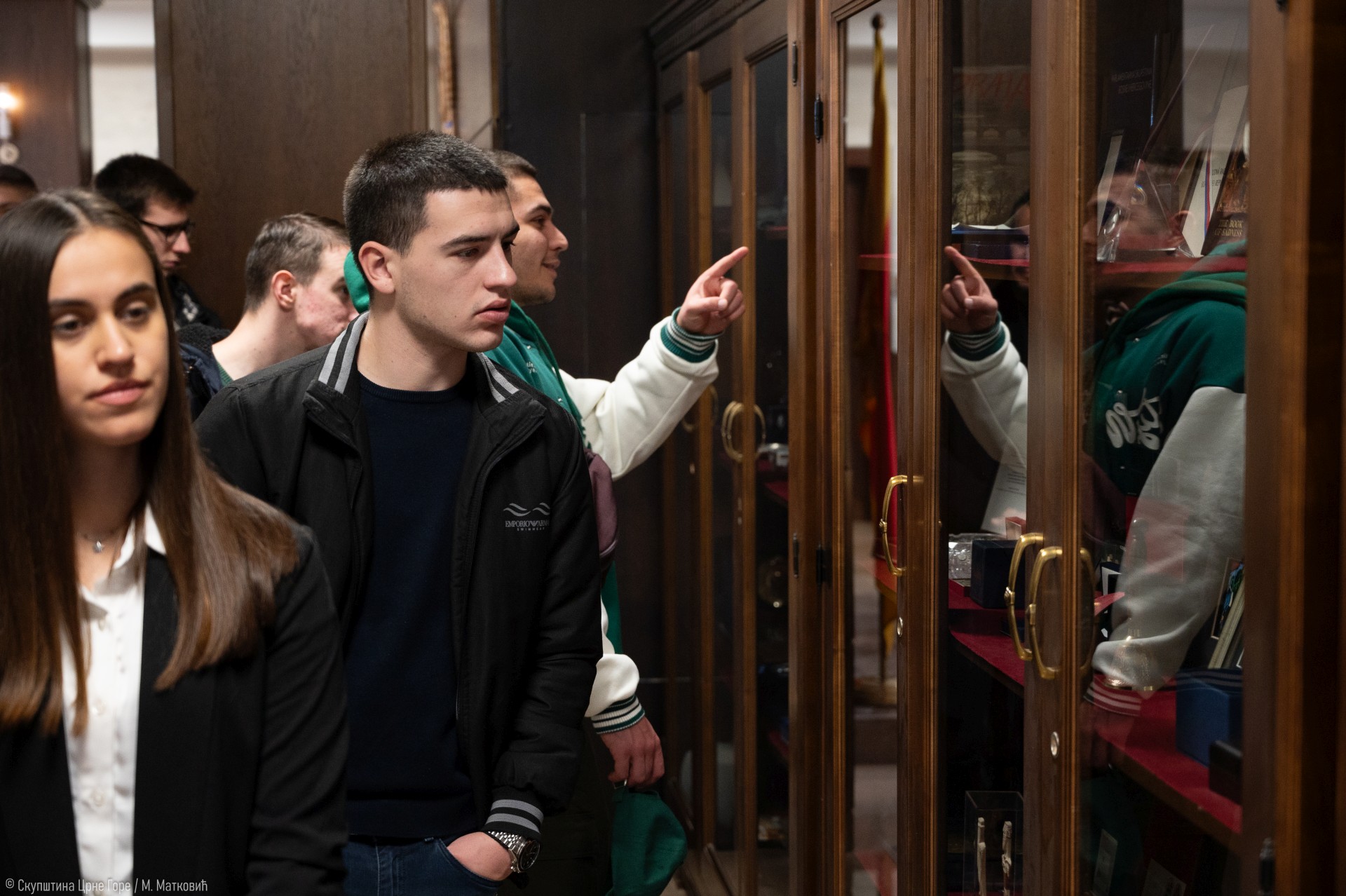
The Montenegrin Assembly visit, featuring insights from Velimir Djoković, Chief of the Cabinet of the Speaker, and Sanja Perić, Public Relations Official, was a deep dive into the legislative processes and the role of parliament in a democratic society. This visit emphasized the Assembly’s role in the democratic process, the importance of transparency in legislation, and public participation in shaping democracy.


The visit to the Municipal Assembly of Podgorica, hosted by Dr. Jelena Borovinic Bojovic, President of the Municipal Assembly, proved to be an inspiring experience. Dr. Bojovic’s journey into politics served not only as a testament to her personal achievements but also as a crucial learning point about the role of women in democratic processes. The discussions, led by Dr. Bojovic, centered on how women can significantly influence decision-making and, most importantly, find their voices in a system that often holds entrenched views about women and society.


During the visit, Dr. Bojovic also elaborated on the role of the Municipal Assembly in shaping democratic processes. She emphasized the importance of young people’s participation in creating a brighter and more inclusive future for Podgorica. This visit highlighted the critical impact of female leadership in political institutions and the need for greater youth engagement in the democratic journey of the city.


In conclusion, the evaluation meeting and the institutional visits in Montenegro were not only a culmination of the Erasmus+ project’s activities but also a springboard for future initiatives. They highlighted the critical role of education, dialogue, and active participation in strengthening democratic processes. The experiences and knowledge gained have laid a solid foundation for continued engagement and contribution to the development of democratic societies.


The project is Co-funded by the European Union.

Share this post

Facebook
Twitter
LinkedIn

Youth Art Movement – Dance Performance and Booklet

Youth Art Movement – Dance Performance and Booklet

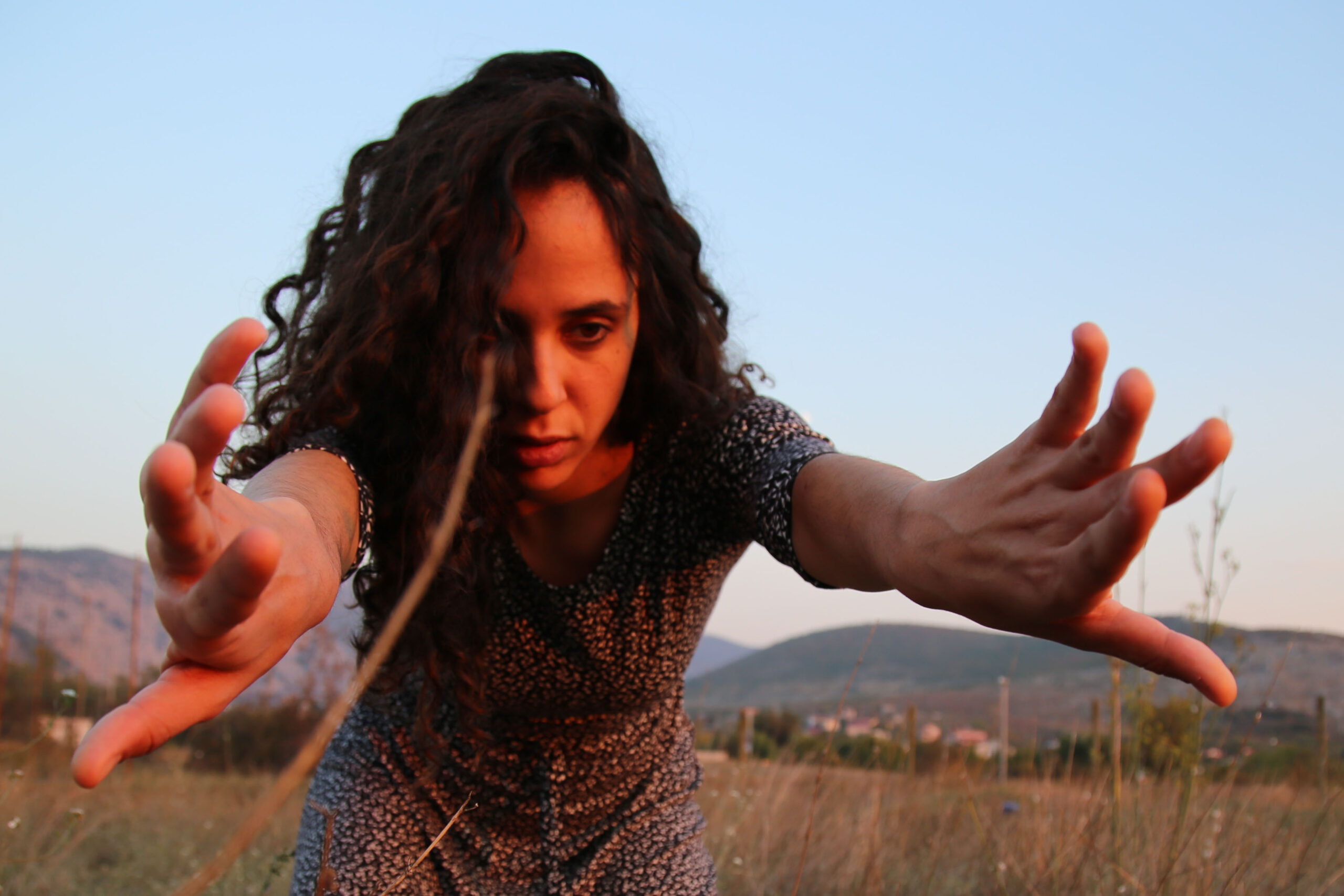
Welcome to a journey through the vibrant landscape of contemporary art and cultural exchange, epitomized by the Youth Art Movement project. This initiative, born from the creative minds of young volunteers, has transcended borders and expectations, bringing together youths from European Union countries and the Balkans in a dynamic exploration of art, culture, and community engagement.


The seeds of the Youth Art Movement were sown in thoughtful discussions among young volunteers participating in a Training Course (TC). These discussions revolved around the contemporary state of art in their respective countries, with a particular focus on the relationship between state and countryside in cultural expressions. These young visionaries identified a common thread of dissatisfaction and saw an opportunity for change.


Their ambition was clear: to reinvent the approach to contemporary art as a means to engage young people and invigorate cultural awareness within local communities. 


A Tapestry of Collaboration

The project unfolded over 14 days, including 13 days of intensive work and a day for travel, reflecting a microcosm of Europe’s cultural diversity. Participants from various European Union and Balkan countries came together, breaking down cultural barriers and building a mosaic of artistic collaboration. This cross-cultural interaction served not just as a platform for artistic expression but also as a powerful tool for integration, learning, and mutual understanding.

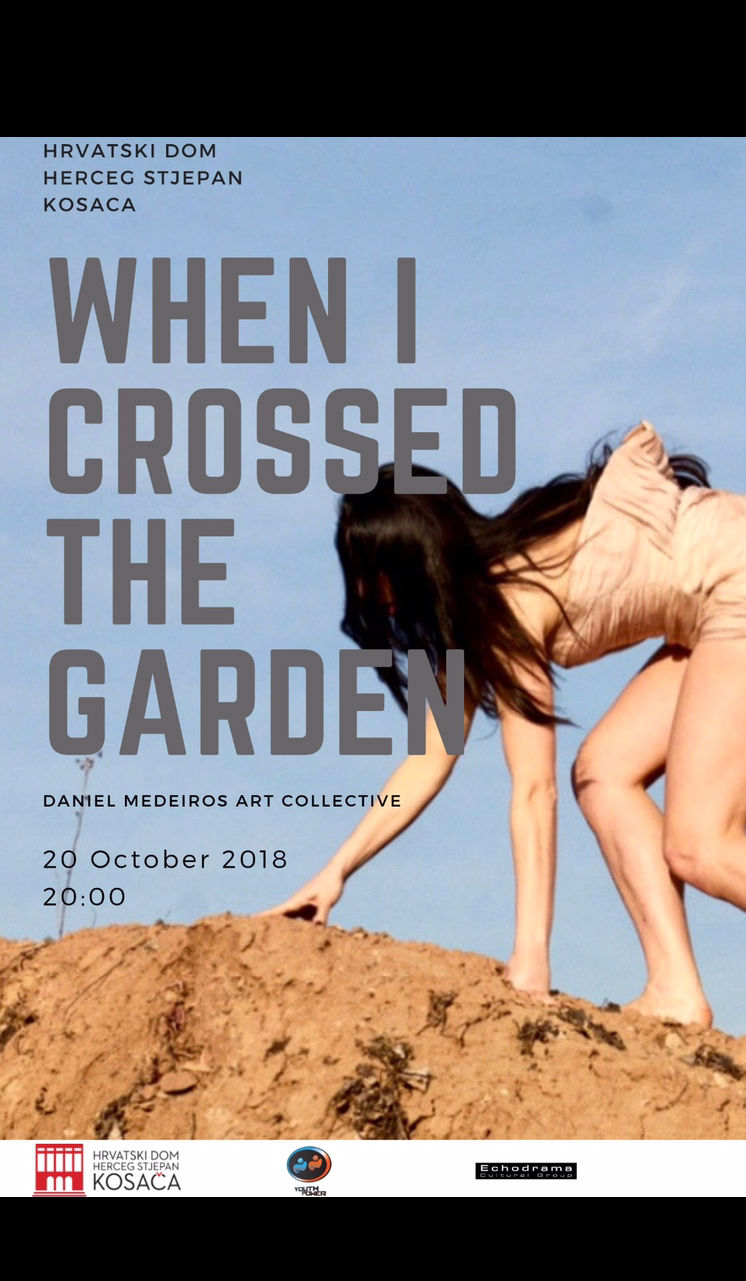
The Artistic Output: “When I Crossed the Garden”

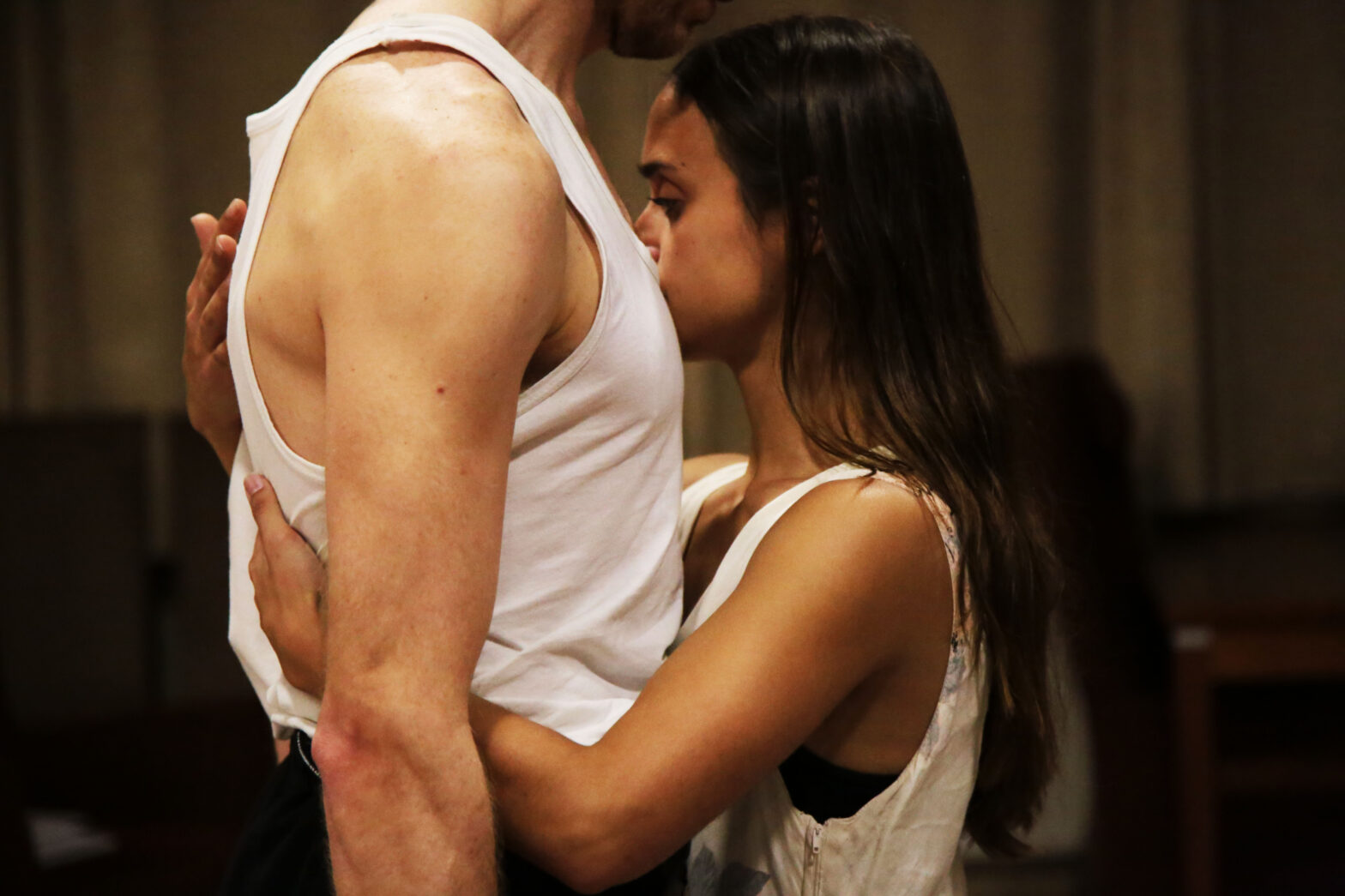
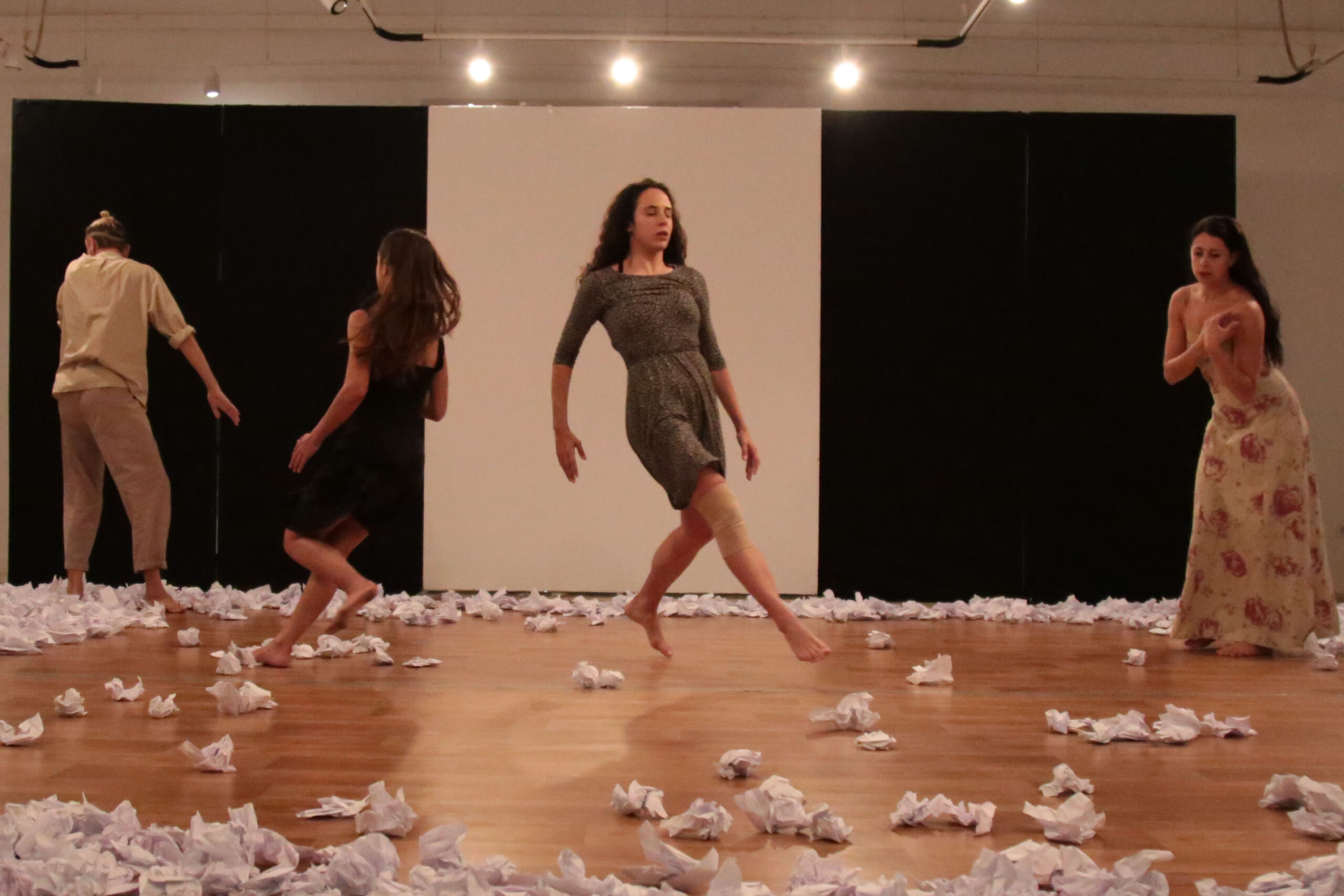
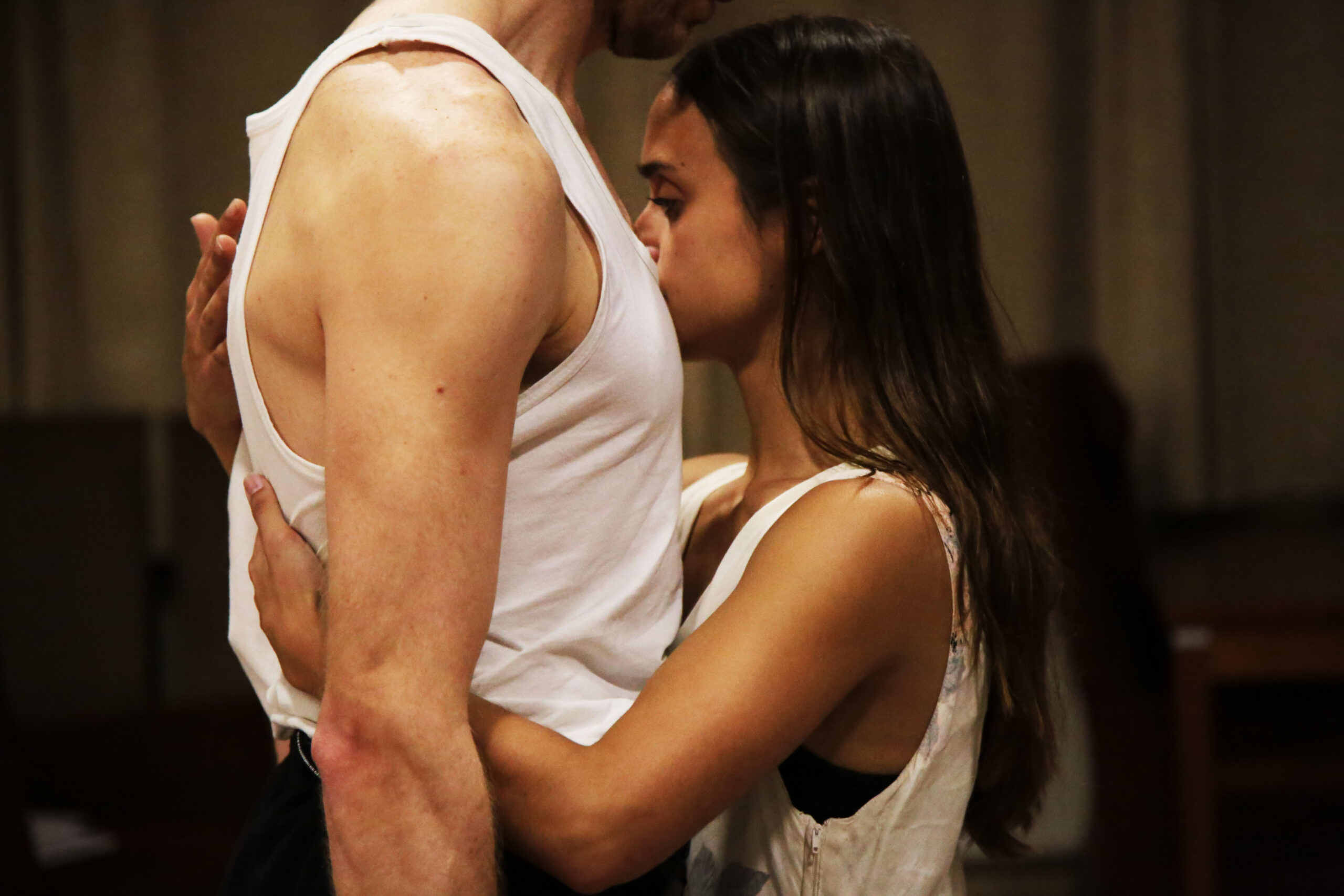
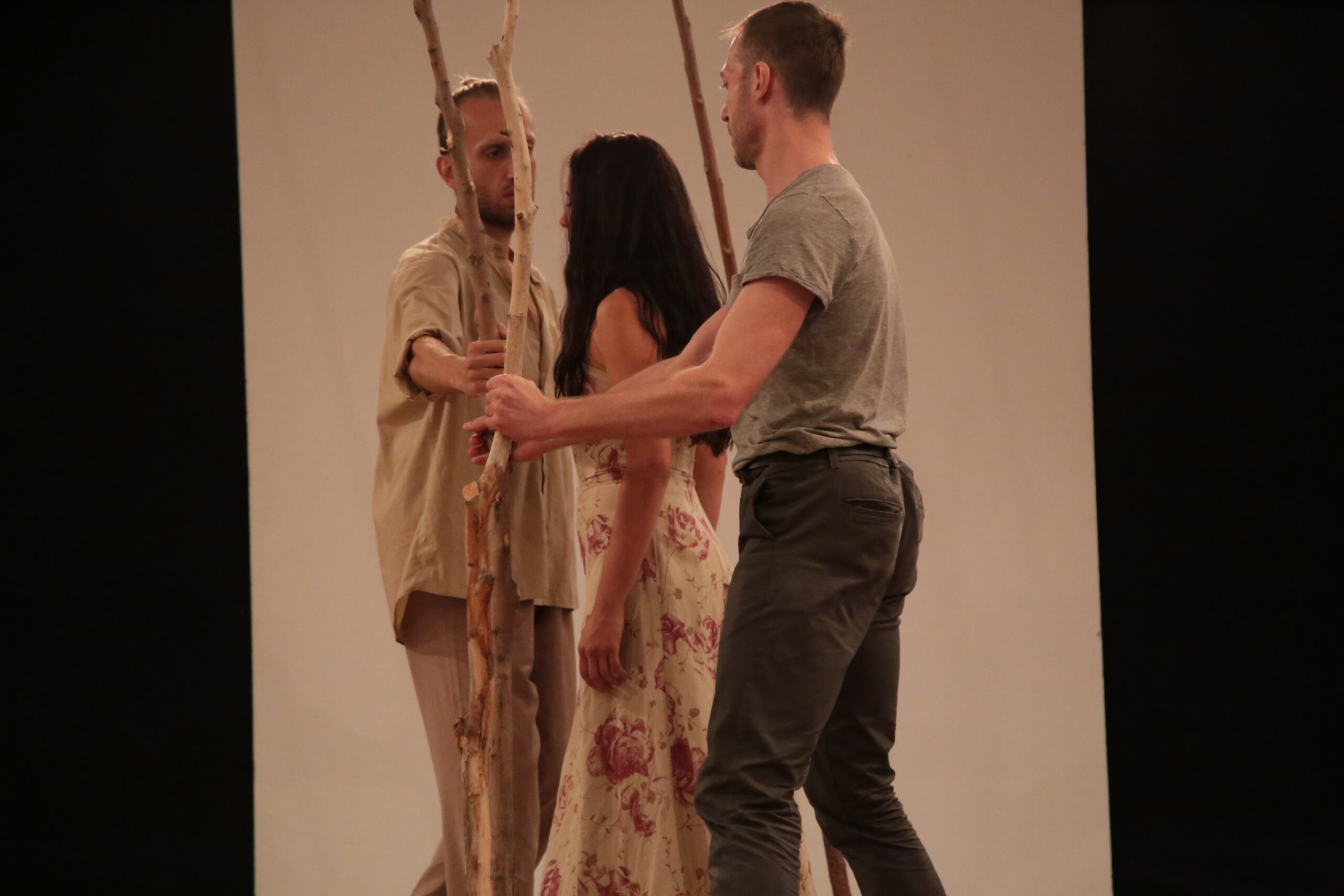
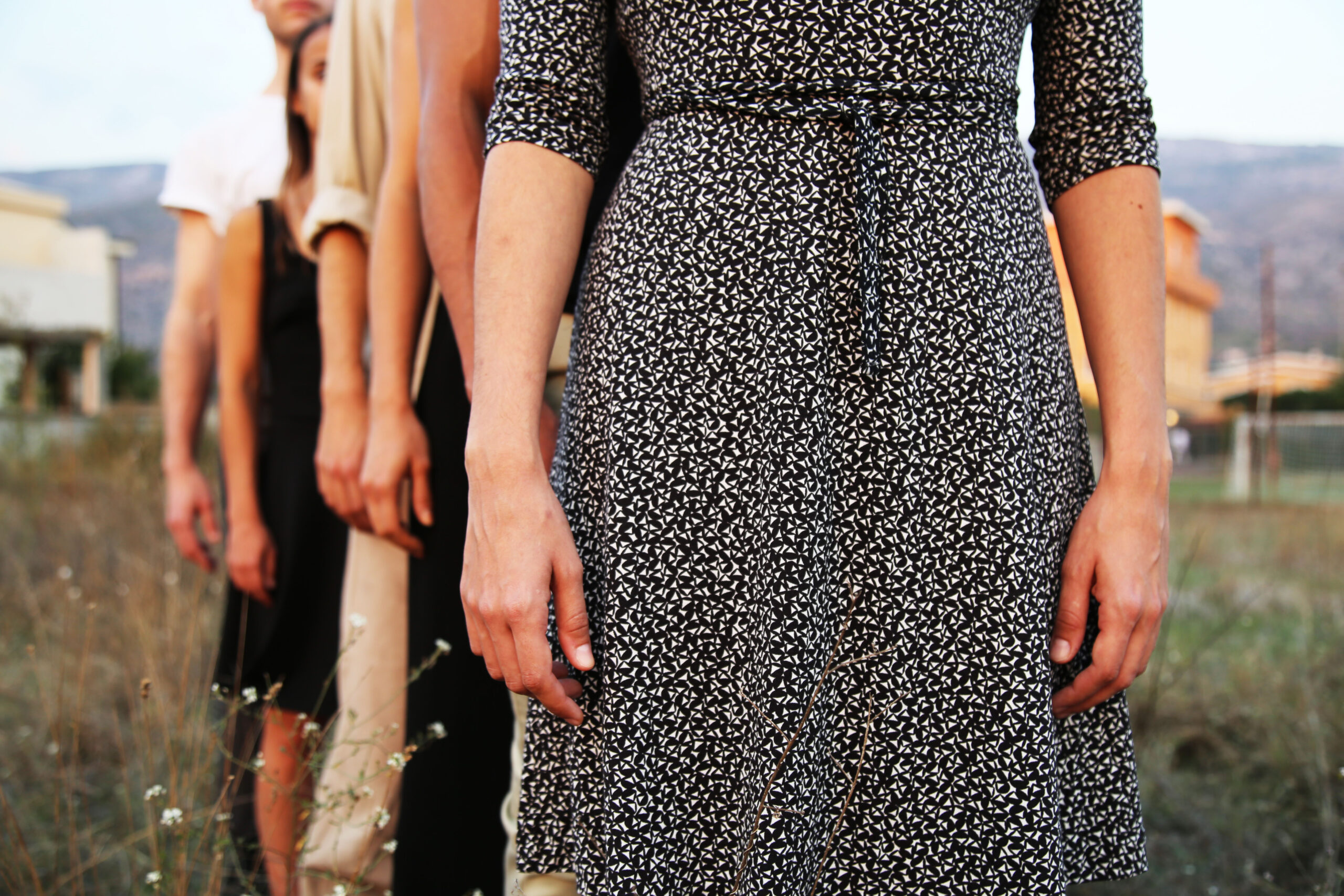
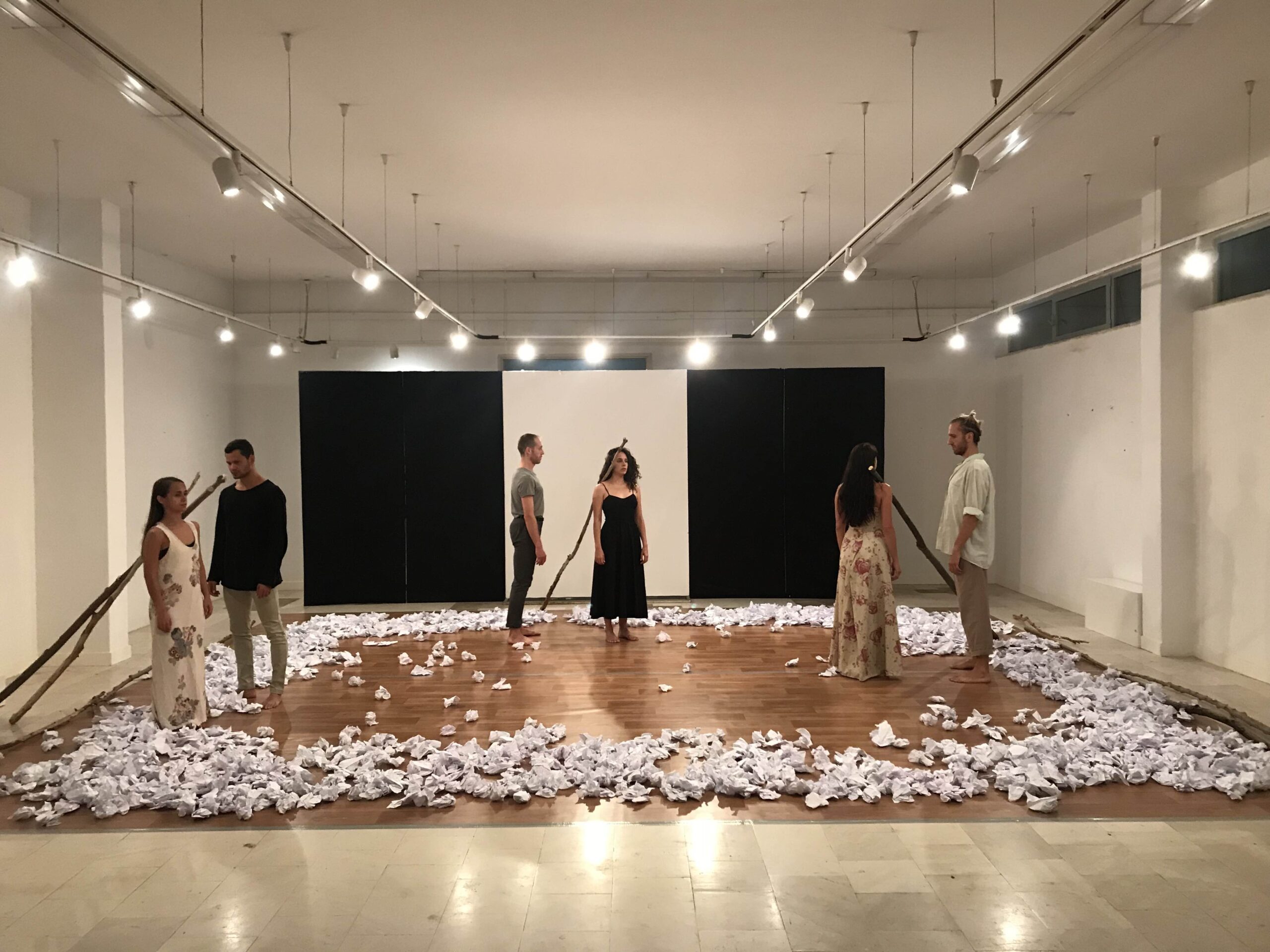
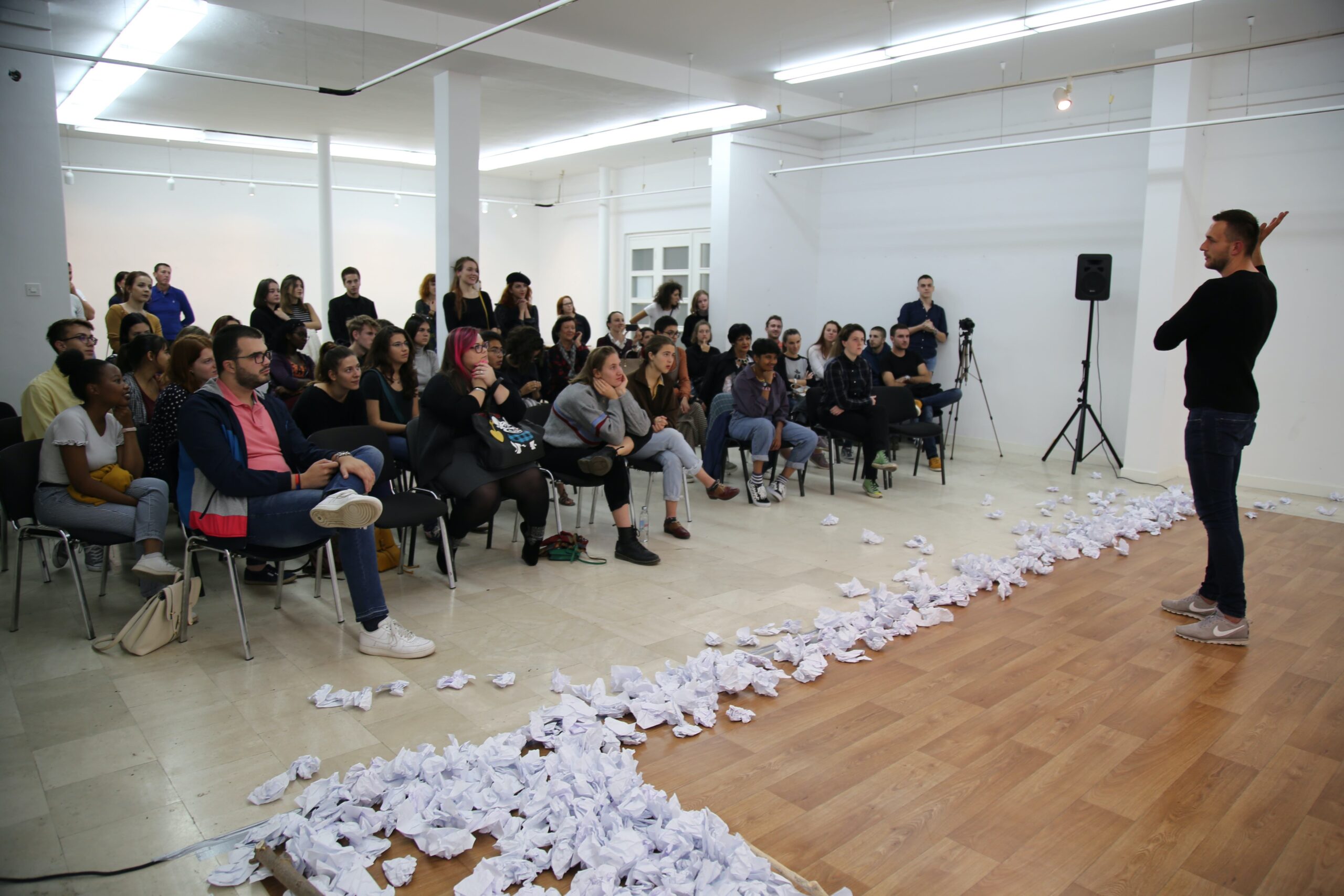
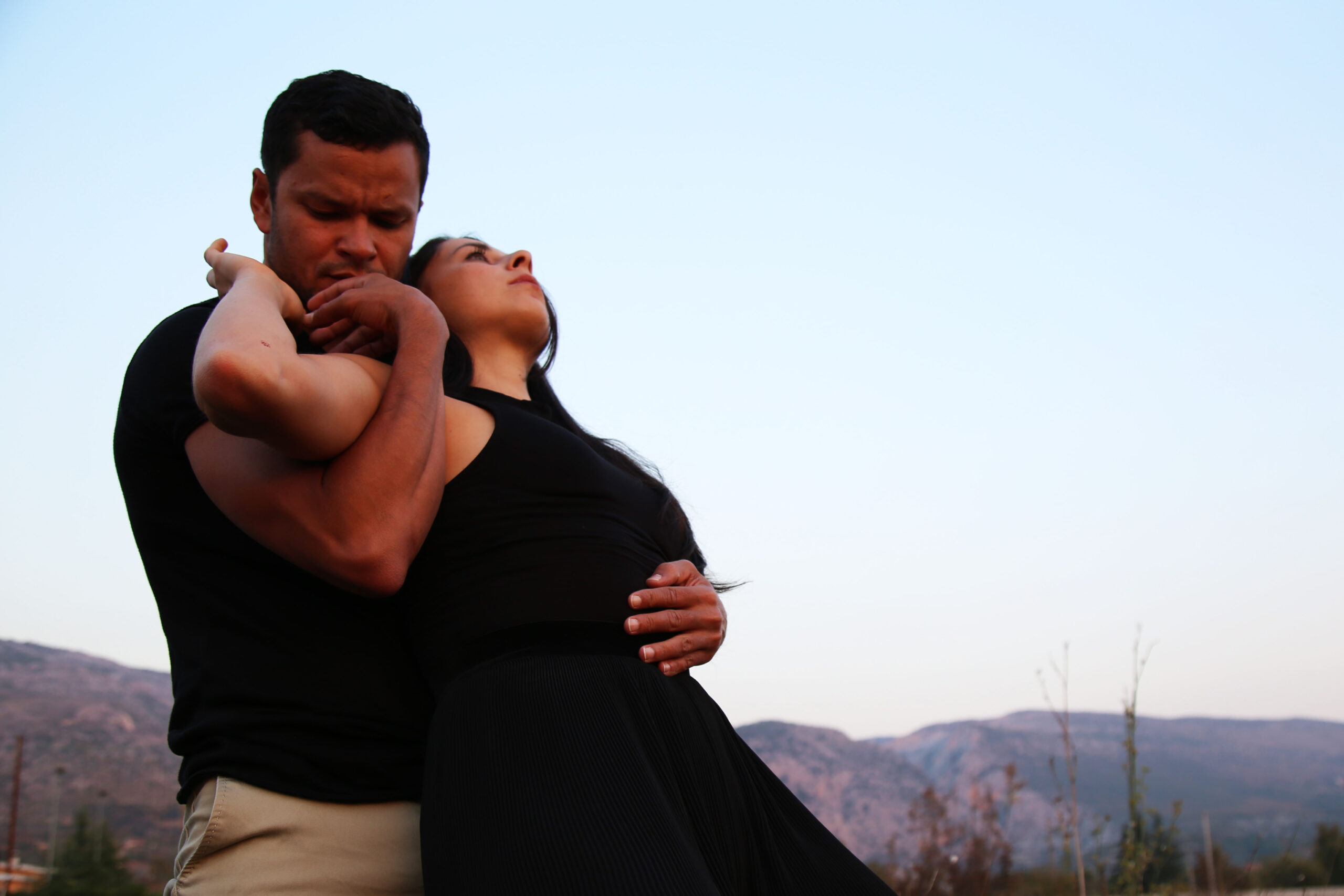
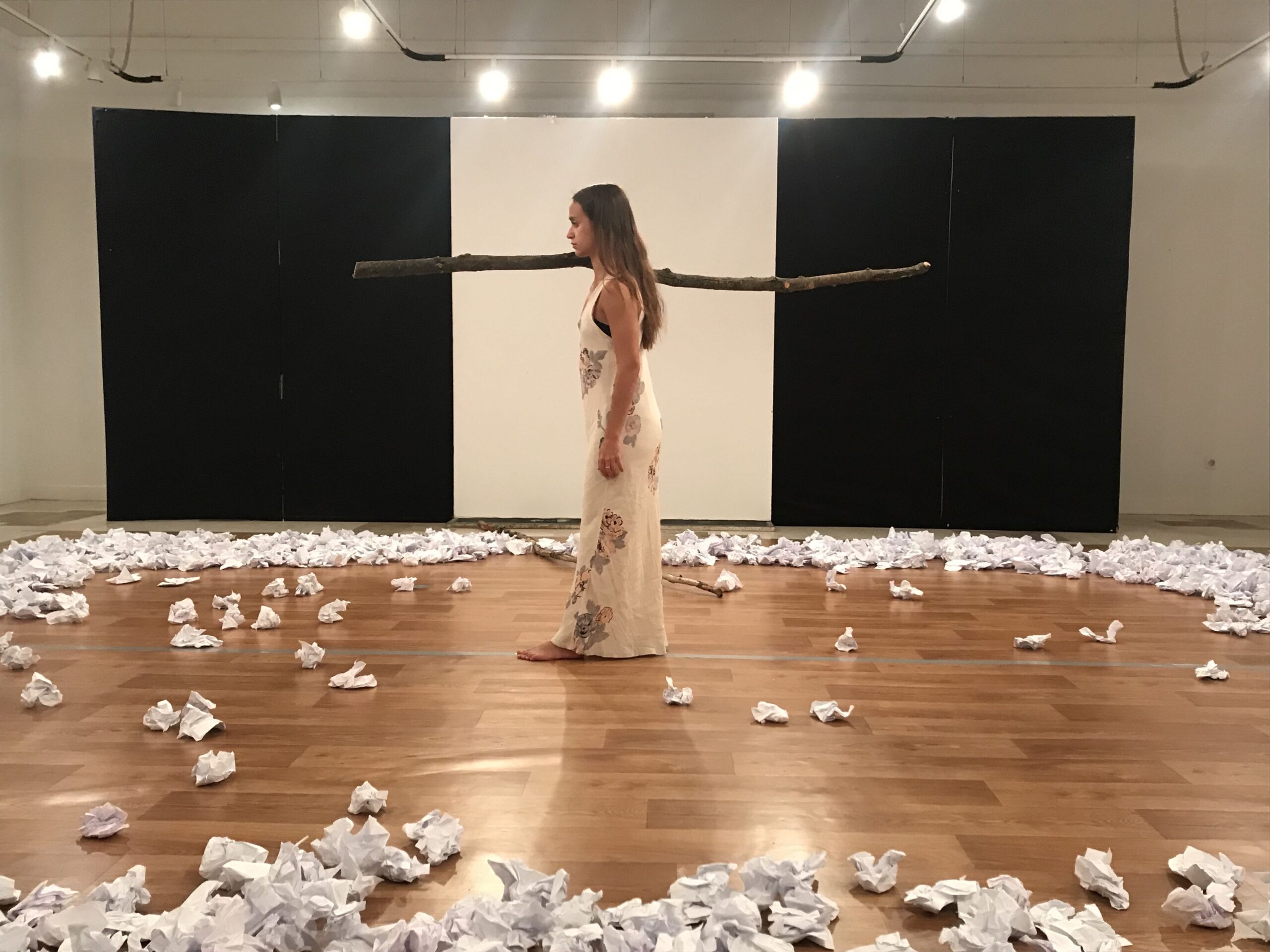
At the heart of this booklet lies a profound expression of the Youth Art Movement’s ethos: the dance performance titled “When I Crossed the Garden,” choreographed by Daniel Almeida. This piece is not merely a dance; it’s a narrative woven through movement, a story told through the universal language of art. It embodies the project’s core values – cooperation, creativity, and cultural exchange.


The Performance: A Mirror of Our Journey

“When I Crossed the Garden” transcends traditional dance, encapsulating the experiences, emotions, and cultural backgrounds of its diverse participants. Almeida’s choreography serves as a bridge between the inner world of the artists and the external environment, reflecting the project’s overarching theme of connecting the urban and rural, the local and the global.


Beyond the Performance: Impact and Legacy

The Youth Art Movement, through projects like “When I Crossed the Garden,” has laid the groundwork for a new kind of cultural engagement. It demonstrates the power of art as a tool for social change, fostering cooperation among youths across Europe.


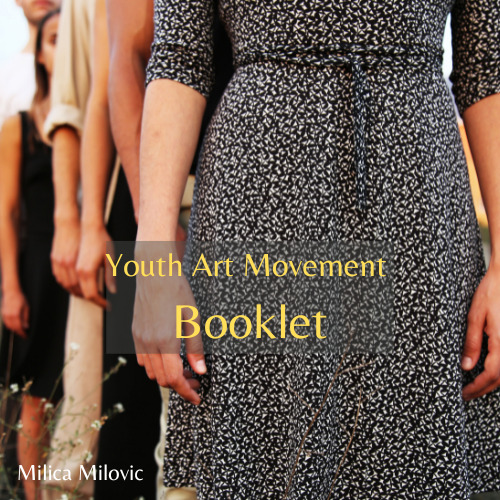
As this booklet conceptualised by Milica Milovic, unfolds the layers of the performance, it also tells a larger story of hope, unity, and the transformative power of art.

Von der Europäischen Union finanziert. Die geäußerten Ansichten und Meinungen entsprechen jedoch ausschließlich denen des Autors bzw. der Autoren und spiegeln nicht zwingend die der Europäischen Union oder der Europäischen Exekutivagentur für Bildung und Kultur (EACEA) wider. Weder die Europäische Union noch die EACEA können dafür verantwortlich gemacht werden.


Funded by the European Union. Views and opinions expressed are however those of the author(s) only and do not necessarily reflect those of the European Union or the European Education and Culture Executive Agency (EACEA). Neither the European Union nor EACEA can be held responsible for them.
Share this post

Facebook
Twitter
LinkedIn

YSD – Local Youth Activation Report

YSD – Local Youth Activation Report

Local Youth Activation Report - YSD

The Local Youth Activation Report, created in the framework of Young Service Designers project, discusses the results of a context analysis about investigating the actual involvement of youth in politics and democratic participation, identifying needs and gaps to address with a capacity-building programme addressed to young people.


The context analysis is based on a desk research, an online survey in seven languages (Italian, English, German, Greek, Slovakian, Polish and Finnish), interviews and focus groups with public officials and representatives from youth organisations and associations.


The report combines and complements six national reports covering the same scope for Germany, Greece, Slovakia, Poland, Finland and Italy. All the respondents to the national surveys seem to agree with the claim that there is a difference between what all authorities think about developing services and instead what do young people perceive.

Share this post

Facebook
Twitter
LinkedIn