Accreditation 2023: Building Europe’s Future Through Education and Empowerment

Accreditation 2023: Building Europe’s Future Through Education and Empowerment

Accreditation 2023: 20 Steps Toward a Stronger, Smarter, and More Connected European Youth.

In 2023, Youth Power Germany e.V. brought the Erasmus+ accreditation to life through a vivid mosaic of twenty unique activities across Europe. From Berlin to Barcelona, Seville to Split, Vienna to Zadar, this was not simply a year of training and exchange, it was a continent-wide celebration of resilience, creativity, learning, and youth empowerment.


Each of these activities was born from a clear intention: to respond meaningfully to the evolving needs of youth workers, educators, young artists, and activists navigating an increasingly complex world. Topics such as mental health, human rights, digital literacy, environmental sustainability, social inclusion, and civic engagement weren’t just discussed, they were experienced, reflected upon, and turned into tools for change.
A Network of Empowerment and Discovery

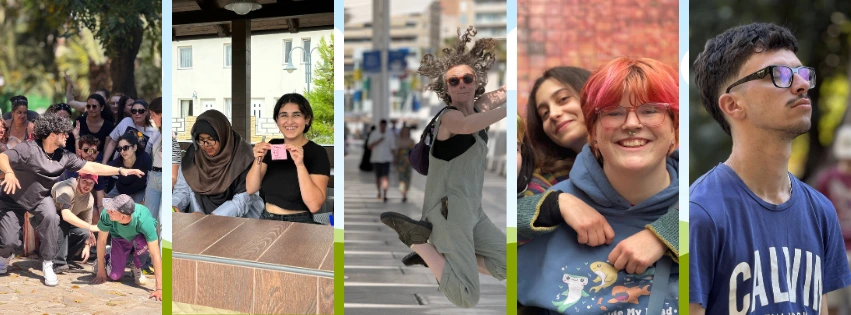
What made these 20 initiatives remarkable wasn’t just the depth of content but the quality of connection they generated. In each location, young people and youth workers from over 15 European countries gathered not just to learn, but to unlearn, challenge, co-create, and grow.


In Barcelona, participants explored the potential of artificial intelligence in the “AI in Action” training course, creating promotional tools with ChatGPT and Midjourney. That same city hosted a youth exchange on digital discrimination called “E-Equality,” where young people learned how to counter hate speech and developed impactful online campaigns.


Meanwhile, in Berlin, the focus shifted to democracy and digital competencies. Through projects like “Project Development for Beginners,” “Navigating Narratives,” and “Citizens of Tomorrow,” youth workers were trained to become agents of civic change, armed with tools for political participation, media literacy, and grassroots activism.


Down in Croatia, Zadar became a hub of mental health education. From “From Stressed OUT to Stress LESS” to “Empowering Diversity” and “GBV Prevention 101,” participants were guided through self-care, emotional regulation, and building safe spaces for marginalized groups. In Split, emotional intelligence took center stage, with educators learning to support young people’s mental well-being in a holistic and empathic way.


In Austria, “Sporting Unity” invited young people to see sports as a vehicle for inclusion, understanding, and respect. In Seville, artists came together for “Creative Echoes,” turning movement and dance into pathways for stress management and self-discovery.


Everywhere, stories unfolded. A participant from the “Creative Board” exchange in Malaga shared how art helped them build self-confidence and community. A youth worker in Mostar said that understanding democracy on a deeper level changed how they engage their local peers. In Berlin, someone who had never spoken publicly about human rights before ended the week by publishing a video project about Germany’s history and democracy.

Lessons that Last

The accreditation’s strength wasn’t just in what was taught, it was in how learning was facilitated. Each activity was anchored in non-formal education methods: learning by doing, peer-to-peer sharing, artistic expression, group work, simulation, and collaborative projects. These formats didn’t just develop knowledge; they sparked transformation.


Participants didn’t go home empty-handed. They left with media campaigns, stress management workshops, AI tools, inclusive teaching methods, and even full project proposals ready to be launched. Some initiated new youth projects in their communities. Others wrote articles, launched YouTube campaigns, or joined local decision-making bodies.


Beyond the knowledge gained, it was the feeling of belonging, to a European youth movement that stayed with participants. As one participant from “Belong to Yourself” expressed:


“I felt seen, heard, and safe. The facilitators awakened so much in me. I finally know how to support others while staying true to myself.”


Another young person in “Creative Horizons” reflected:


“I got out of my comfort zone and discovered new ways to express my beliefs through art. I’ll never see Europe the same again.”

Why It All Mattered

In a world shaped by climate urgency, digital overload, polarization, and social isolation, these 20 activities represented a counter-current of hope and action. They weren’t just about skills or certificates, they were about unlocking human potential.


They empowered youth workers to bring meaningful change to their organizations. They helped young people realize that their voices matter, their emotions are valid, and their ideas can shape societies.


They built bridges between countries, between individuals, and between the present and a more inclusive, just, and connected future.


A Movement in Motion

Accreditation 2023 was not the finish line, it was a launchpad. The ripples created by these experiences continue today through local workshops, creative initiatives, and policy engagements led by those who participated. Youth Power Germany e.V. remains committed to nurturing this movement where education is experiential, where diversity is celebrated, and where young people lead the way.


Because when young people grow, Europe grows.


When young people connect, peace becomes possible!


When young people are trusted and trained, the future gets brighter for us all.
 

Funded by the European Union. Views and opinions expressed are however those of the author(s) only and do not necessarily reflect those of the European Union or the European Education and Culture Executive Agency (EACEA). Neither the European Union nor EACEA can be held responsible for them.
Share this post

Facebook
Twitter
LinkedIn

Equal Not Same: Youth from Across Europe Unite to Challenge Gender Stereotypes

Equal Not Same: Youth from Across Europe Unite to Challenge Gender Stereotypes

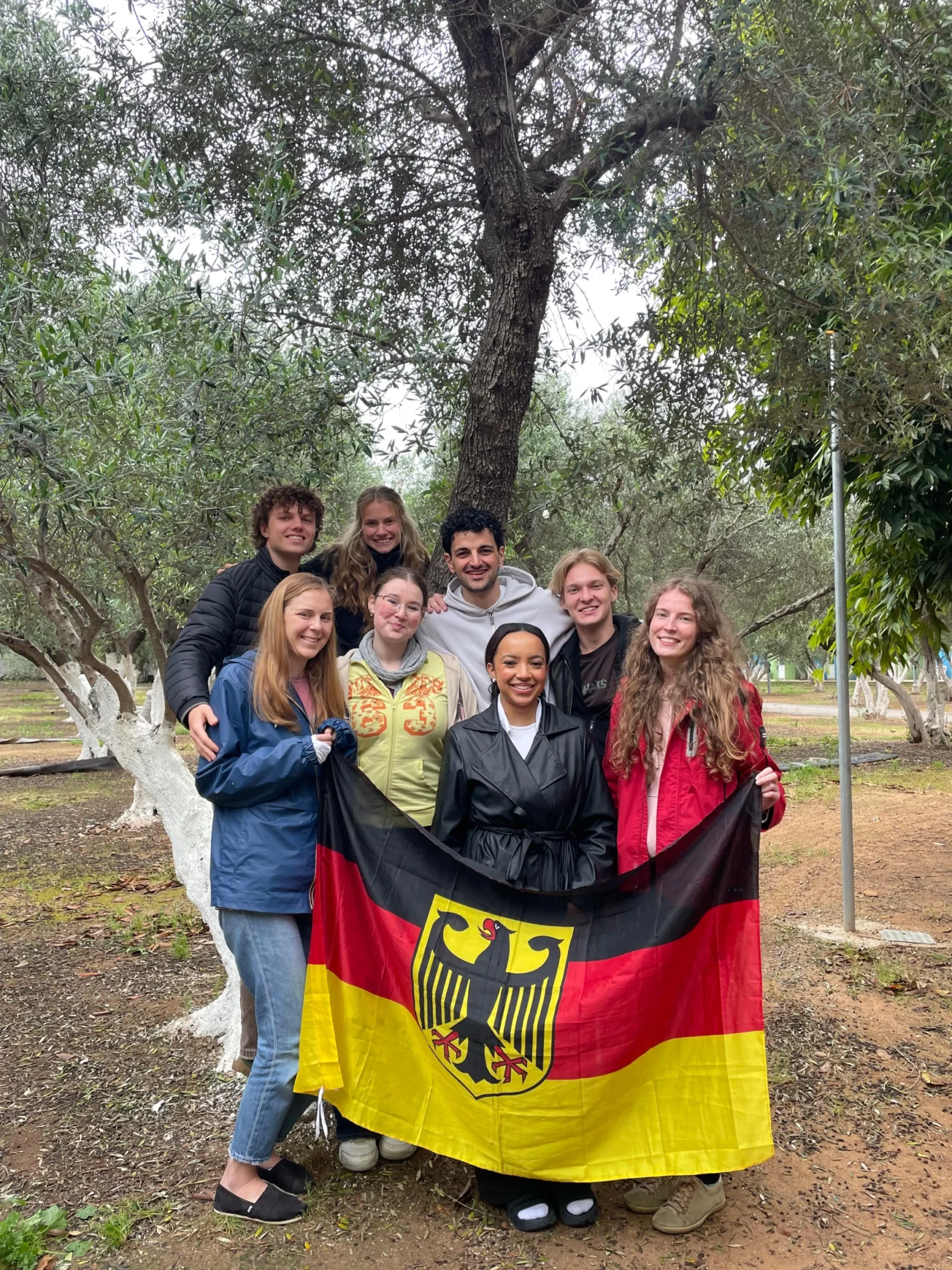
From 24th April to 1st May 2025, the beautiful city of Chania, Crete became the meeting point for young people from Greece, Germany, Slovenia, Italy, and Lithuania, who gathered for the Erasmus+ Youth Exchange “Equal Not Same”. The project was coordinated and implemented by the Institute of Research & Training on European Affairs (IRTEA), with the support of international partner organizations, including Youth Power Germany.

Equal Not Same: Youth from across Europe unite to challenge gender stereotypes

The exchange tackled the timely and complex issue of gender-based discrimination, particularly how daily behaviors, language, and societal norms contribute to inequality. Set against the backdrop of a post-pandemic reality, the project also examined how the COVID-19 crisis has deepened existing disparities and impacted the mental health of individuals facing gender injustice.


The aim of Equal Not Same was to raise awareness, challenge stereotypes, and promote inclusive attitudes. Participants explored these themes not only through critical discussion, but also through creative expression designing and producing a video campaign to reflect on their learnings and speak out against discrimination.

The methodology of the project was rooted in non-formal education, offering participants an experiential learning environment. Over the course of the program, young people took part in:

  • Workshops, group reflections, and storytelling

  • Role-playing games, physical exercises, and creative labs

  • Case studies on gender inequality and mental health

  • Study visits and interviews with local communities

  • Intercultural evenings, celebrating diversity and shared values.


These activities not only encouraged learning and participation but also helped build empathy, cross-cultural understanding, and a deeper personal connection to the subject matter.

Empowering Young Voices

One of the key outcomes of the exchange was the empowerment of young participants to become advocates for equality. By using audiovisual tools including the creation of campaign videos, participants could translate their experiences and reflections into impactful public messages. In parallel, research tasks like community interviews and questionnaires helped them develop critical thinking and communication skills.


Special attention was also given to how gender stereotypes affect mental wellbeing, recognizing the importance of emotional resilience and support in the fight for equality. The project provided safe spaces for sharing, listening, and reflecting, ensuring that all voices were heard and valued.

Set in the beautiful natural surroundings of Agioi Apostoloi, just outside Chania, participants were hosted at Camping Chania in shared bungalows, creating a close-knit and supportive environment. Daily activities, shared meals, and evening cultural events fostered strong bonds between groups, making the week not just educational, but deeply human.

The exchange concluded with a commitment from all groups to continue sharing what they learned, through social media, local actions, and future Erasmus+ projects.

A United Effort Across Borders

Equal Not Same stood out as an impactful youth exchange where meaningful learning met creativity, cooperation, and social responsibility. IRTEA’s coordination and the involvement of partner organizations like Youth Power Germanymade this project a shining example of how international collaboration can help young people challenge injustice and become active agents of change in their communities.

Funded by the European Union. Views and opinions expressed are however those of the author(s) only and do not necessarily reflect those of the European Union or the European Education and Culture Executive Agency (EACEA). Neither the European Union nor EACEA can be held responsible for them.

Share this post

Facebook
Twitter
LinkedIn

Article – Virtual Assistance – A pathway to digital employment for young people

Article – Virtual Assistance – A pathway to digital employment for young people

In a world where the digital economy is expanding faster than traditional industries can adapt, virtual assistance has emerged as a versatile and accessible career path. For young people, especially those facing barriers to traditional employment, this profession offers the opportunity to build marketable skills, work remotely, and connect with clients worldwide. The Virtual Assistant Skills and Entrepreneurship curriculum, developed under the Erasmus+ FIGHT-DIGIT project, provides vocational educators with the tools to prepare unemployed youth for this growing field.


What is virtual assistance?

A virtual assistant (VA) is a professional who provides administrative, creative, or technical services to clients from a remote location. This can include managing emails, scheduling meetings, handling social media, creating content, conducting research, or even providing customer support.


Unlike traditional office roles, virtual assistance offers flexibility in working hours, location, and business models, making it an attractive option for those seeking work-life balance or living in areas with limited job opportunities.

Why it matters for youth employment

For unemployed and NEET (Not in Education, Employment, or Training) youth, virtual assistance represents:

  • Accessibility – Entry-level roles often require skills that can be learned quickly and enhanced through practice.
  • Scalability – With experience, virtual assistants can expand into specialized services or agency models.
  • Global reach – Work is not limited to local job markets; clients can come from anywhere in the world.
  • Skill development – Digital literacy, communication, time management, and problem-solving are all enhanced through VA work.

Key skills and competencies

The FIGHT-DIGIT curriculum identifies essential skills for aspiring VAs:

  • Digital tools mastery – Proficiency in platforms like Trello, Canva, Zoom, and Miro.
  • Communication and collaboration – Navigating remote work environments effectively.
  • Entrepreneurial mindset – Understanding how to market oneself and manage a freelance business.
  • Adaptability – Responding to evolving technologies and client needs.

Integrating virtual assistance into education

Educators can introduce virtual assistance through:

  • Interactive workshops – Role-playing client interactions, conducting market research, and drafting service proposals.
  • Practical simulations – Creating mock projects using real-world tools.
  • Entrepreneurial exercises – Encouraging learners to develop and pitch their own service ideas.

Conclusion

Virtual assistance is more than a job – it’s a gateway into the digital economy. By equipping young people with the skills, confidence, and entrepreneurial mindset needed for this career, educators can open pathways to sustainable self-employment and economic independence. The Virtual Assistant Skills and Entrepreneurship curriculum provides a structured, practical approach to making this vision a reality.

Link to the educational resource “Virtual Assistant Skills and Entrepreneurship curriculum”:  

Von der Europäischen Union finanziert. Die geäußerten Ansichten und Meinungen entsprechen jedoch ausschließlich denen des Autors bzw. der Autoren und spiegeln nicht zwingend die der Europäischen Union oder der Europäischen Exekutivagentur für Bildung und Kultur (EACEA) wider. Weder die Europäische Union noch die EACEA können dafür verantwortlich gemacht werden.


Funded by the European Union. Views and opinions expressed are however those of the author(s) only and do not necessarily reflect those of the European Union or the European Education and Culture Executive Agency (EACEA). Neither the European Union nor EACEA can be held responsible for them.

Share this post

Facebook
Twitter
LinkedIn

Art Video Campaigns

Art Video Campaigns

"Art for awareness" Video Campaigns

As a part of the Youth Exchange “ART FOR AWARENESS: FOSTERING Dialogue and Inclusion”  young people were provided with a platform to explore equality, human rights, and inclusion through artistic expression. They engaged in visual art, storytelling, and performance. Participants reflected on their experiences, perspectives, and co-created works that promote tolerance and social cohesion.


The co-creative process highlights the importance of dialogue, tolerance, and the role of art as a catalyst for social change. By the end, participants have created impactful art video campaigns, which formed lifelong connections, and found motivation to drive lasting social change. Join us in using art to inspire awareness and build a more inclusive world. Support creativity and change by subscribing on our YouTube channel where we share all Art Campaigns and more!

Project objectives and campaign goals

This journey goes beyond creativity it fosters empathy, critical thinking, and open dialogue. In a safe and inclusive space, participants engage in meaningful discussions, broaden their worldviews, and develop a strong sense of solidarity.


The objective of this workshop was to provide participants with a deeper understanding of equality and human rights, a sense of shared humanity, and tools for promoting inclusion in their communities.

Share this post

Facebook
Twitter
LinkedIn

DigiCreate: Empowering young creatives through virtual exchanges

DigiCreate: Empowering young creatives through virtual exchanges

DigiCreate: Empowering young creatives through virtual exchanges

This week, we officially launched DigiCreate, an innovative Erasmus+ virtual exchange project that will connect young people from the EU and the Western Balkans over the next three years. The kick-off meeting, held online on March 14, 2025, brought together partners from Germany, Bosnia and Herzegovina, Portugal, Spain, Serbia, and Montenegro, setting the stage for an exciting journey in digital creativity and intercultural collaboration.


A Vision for Digital Creativity and Inclusion

DigiCreate aims to develop digital, creative, and intercultural skills among 2,500 young creatives, fostering collaboration in the cultural and creative industries. The project will provide participants with:


– An interactive online platform & toolbox 


– A digital marketing course to boost entrepreneurial skills 


– Three virtual exchange conferences to connect and inspire creatives


Kick-Off Meeting Highlights

During the kick-off meeting, partners discussed:


– Project goals and key milestones 


– Work packages and responsibilities for each partner 


– Development of the DigiCreate Online Platform 


– Dissemination strategy to reach thousands of young participants.

Digicreate

The Creative Hive Open Digital Toolbox, one of the project’s main outputs, will offer innovative tools and practical resources for young professionals in the creative industries.


The next steps include launching the first phase of digital tools development, preparing the online course framework, and planning the first Virtual Exchange Conference.


DigiCreate project is co-funded by the European Union. The views and opinions expressed are those of the author(s) and do not necessarily reflect those of the European Union or the European Education and Culture Executive Agency (EACEA).


Share this post

Facebook
Twitter
LinkedIn

Collaborative Session: Shaping the Future of Light Pollution Mitigation Education

Collaborative Session: Shaping the Future of Light Pollution Mitigation Education

Last Monday 17.02.2025, we participated in an online conference hosted by the VET-EcoLume consortium to introduce the project, its objectives, timeline, and key milestones.

VET-EcoLume: Building Global Networks to Tackle Light Pollution through Education

As part of the VET-EcoLume project, we hosted a dynamic Collaborative Session—an interactive online conference bringing together more than 35 project leaders, stakeholders, experts, educators, and practitioners from Croatia, Colombia, Chile, Germany, and Estonia. This session served as a pivotal platform for engaging diverse voices dedicated to combating light pollution and promoting sustainable urban lighting education.

The primary objective of this collaborative event was to leverage the EcoLume project presentation as a strategic opportunity to foster collaboration, gather valuable insights, share varied perspectives, and explore professional profiles from different regions. Through meaningful discussions and the exchange of best practices, participants actively contributed to the creation of a specialized vocational education and training (VET) curriculum aimed at training future Light Pollution Mitigation Specialists.


One of the session’s main focuses involved outlining the structure and content of the curriculum for this emerging profession. Participants collaboratively addressed the challenges, defined clear goals, and identified practical applications necessary to develop an educational program capable of equipping professionals with the essential knowledge and skills to effectively tackle light pollution and implement sustainable lighting solutions.


By integrating international expertise across multiple sectors, the VET-EcoLume project is paving the way for sustainable practices and fostering global environmental stewardship. This collaborative initiative represents a significant advancement in creating innovative educational solutions, ensuring meaningful environmental impact and long-term sustainability.


Stay tuned for ongoing updates as we further develop the curriculum and strengthen international collaboration for light pollution mitigation education. The session has provided critical insights that will guide the project’s next phases.


Stay connected! Follow VET-EcoLume on social media and visit our official website for regular updates.


Website: https://vet-ecolume.eu/

Instagram: https://www.instagram.com/vet_ecolume/

Share this post

Facebook
Twitter
LinkedIn

Kick-Off Meeting – Eco Lumen Project

Kick-Off Meeting – Eco Lumen Project

Ecolume: Empowering Sustainable Energy Education Through Vocational Training - Kick-Off Meeting

We are excited to officially launch Project VET EcoLume with our online kick-off meeting! This initiative addresses the growing challenge of light pollution in Europe and Latin America through education, collaboration, and advocacy.

On 15th January 2025, the VET-EcoLume project held its highly anticipated kickoff meeting, marking the official beginning of a collaborative effort to combat light pollution through education, digital innovation, and advocacy. The meeting, conducted online, was crucial for ensuring that all project partners were aligned with the project’s objectives and had a clear understanding of their roles, tasks, and timelines.


The meeting commenced with a warm welcome from Youth Power Germany, the lead partner. This was followed by introductions from all participants, who represented a diverse group of organizations, including Pannonia Consulting (Croatia), Learning Library OU (Estonia), Alcadía de Envigado (Colombia), Corporación Universitaria Remington (Colombia), Corporación Municipal Desarrollo Económico Yunus EmpleaTeEmprende-Innova de Peñalolén O (Chile), and Fundación Cielos de Chile (Chile), as well as affiliated partners Municipality of Vrbje (Croatia) and Activa Limitada (Chile). Each partner shared insights into their organization’s role and expertise, establishing a foundation for a collaborative approach to the project.


The VET-EcoLume project seeks to address the growing issue of light pollution through various strategies, including the creation of a vocational curriculum, the development of a digital learning platform, and the implementation of advocacy campaigns aimed at raising awareness of light pollution’s harmful effects on the environment and public health. With all partners present, the kickoff meeting served as a vital step in aligning everyone’s efforts toward these shared goals.


The meeting was organized around several key work packages (WPs), each focused on specific aspects of the project’s development. The partners made key decisions, including approving several important documents such as the communication plan, quality management procedures, and dissemination strategy. They also agreed on internal timelines for the completion of research and curriculum deliverables. These decisions were critical for setting the project on the right course.

Moving forward, the partners will continue to collaborate closely, ensuring the timely completion of tasks and the achievement of project goals. The next steps include finalizing the research report and curriculum drafts, establishing innovation hubs in each region, and implementing the advocacy campaigns. Regular partnership meetings will take place every two months to monitor progress and maintain momentum.


The VET-EcoLume project’s kickoff meeting was a significant step in launching this global initiative to combat light pollution through education, digital tools, and community engagement. With all partners committed to the project’s success, the stage is set for impactful results that will benefit not only the participating organizations but also communities around the world.

Stay tuned for more updates as the project progresses and brings light pollution awareness and action to the forefront!

Share this post

Facebook
Twitter
LinkedIn

Youth Power Germany e.V. Officially Recognised as VET Provider

Youth Power Germany e.V. Officially Recognised as VET Provider

 Vocational Education and Training (VET) plays a crucial role in equipping young people and professionals with practical, industry-specific skills necessary to succeed in today’s job market. At Youth Power Germany e.V., we are committed to empowering individuals through tailored training programs that directly address the needs of learners and employers alike. 

Youth Power Germany e.V. Officially Recognised as VET Provider

We are thrilled to announce that Youth Power Germany e.V. has been officially recognised as a Vocational Education and Training (VET) provider (Anerkannter Träger der Erwachsenenbildung) by the Berlin Senate!


This significant achievement enables us to broaden our impact, providing young adults with essential practical skills, recognised certifications, and real-world experiences that will greatly enhance their career opportunities. By bridging the gap between education and employment, Youth Power Germany remains dedicated to promoting civic engagement, social empowerment, and lifelong learning throughout Europe.

What is VET, and why does it matter?

As a young job seeker, aspiring apprentice, or potential employer, you’ve likely encountered the term ‘VET’. But what exactly does it mean, and how can it benefit you?


Vocational Education and Training (VET) focuses on developing job-specific and technical skills required across various industries such as hospitality, retail, engineering, accounting, and office work.


Benefits of VET

  • For Young People: VET offers engaging, hands-on, and creative learning experiences. It prioritises practical skills over pure academic performance, helping young individuals discover their talents. Vocational training significantly enhances CVs, improving job prospects.
  • For Businesses and Organisations: VET provides skilled, industry-ready employees. Investing in VET programs also helps current employees upgrade their skills, ensuring businesses stay competitive and grow effectively.


Types of VET Available

  • Classroom and Practical Training: Many schools, colleges, universities, and organisations offer blended VET opportunities combining theoretical lessons with hands-on experience, such as hairstyling in a salon or cooking in college-run restaurants.
  • Online Courses: These flexible courses allow learners to study at their own pace and convenience, making them ideal for individuals with existing commitments or travel limitations.
  • Apprenticeships and Traineeships: Work-based training within companies and organisations also falls under VET. These opportunities equip learners with the precise skills needed to thrive in their chosen industries.


Stay tuned as we continue our mission to empower young adults with the tools needed for success in their careers and communities!

Share this post

Facebook
Twitter
LinkedIn

Local Workshop on Democracy and Active Citizenship in Berlin

Local Workshop on Democracy and Active Citizenship in Berlin

The project YouthEUVision — Empowering YOUth for a Stronger Europe is an innovative project that will transform youth participation in democratic processes and active citizenship in Europe.


Based on the belief that the future of Europe depends on active involvement from its side, YouthEUVision brings together a unique consortium of organizations from six diverse EU countries, such as Germany, Greece, Italy, Spain, France, and Romania. This collective effort is aimed at empowering and mobilizing young people by endowing them with the necessary knowledge, skills, and motivation needed to actively create the future of Europe.


Many forms of Youth Participation

On Friday, 22nd November 2024, we conducted a local workshop on Democracy and Active Citizenship in Berlin, focusing on empowering young people to explore various forms of participation in democratic processes. The event brought together enthusiastic participants eager to learn, share, and contribute to shaping a more inclusive democratic future.

First Half: Exploring Forms of Youth Participation


The workshop began with an introduction to five key forms of youth participation: civil, political, institutional, creative/cultural, and digital. Through interactive discussions, participants examined how each form provides unique opportunities for young people to influence decision-making and contribute to societal development. Real-world examples were presented, showcasing successful youth-led initiatives that have driven meaningful change at local, national, and global levels.


Second Half: Research and Collaboration


The second half of the workshop was dedicated to group research and collaborative learning. Participants worked in small groups to investigate six examples of youth participation in democratic processes, focusing on practical applications of the themes introduced earlier. Each group analyzed a specific example, discussed its impact, and identified strategies that could be applied in their own communities. This activity encouraged teamwork, critical thinking, and a deeper understanding of how young people can engage actively in civic life.


Key Outputs and Insights


Participants emerged with a broader perspective on the power of youth participation and a renewed sense of agency. They developed actionable ideas, including organizing local forums, leveraging social media for civic engagement, and using creative expression to raise awareness about social issues. Many expressed a deeper connection to the principles of democracy and a stronger desire to contribute to their communities.


Historical Context and Reflection


The workshop also emphasized the significance of Berlin’s historical landmarks, highlighting how young voices have shaped democratic change over time. Special attention was given to the 35th anniversary of the fall of the Berlin Wall, the Jewish Memorial, and the German Parliament. These discussions helped participants draw parallels between historical events and their current roles as agents of change, reinforcing the importance of active citizenship in preserving democratic values.


Share this post

Facebook
Twitter
LinkedIn

YouthEUVision Project – TOT in Berlin

YouthEUVision Project – TOT in Berlin

As part of the YouthEUvision: Empowering Youth for a Strong Europe project.

Youth Power Germany organised a Training of Trainers (TOT) program in Berlin from 14th to 17th November 2024. The program brought together 24 trainers from six countries, including three representatives from each participating NGO, with the goal of equipping them with the skills and tools necessary to lead initiatives promoting active citizenship, decision-making, and democratic participation.

What's About...

The training provided innovative tools and methods to better engage local youth in discussions on democratic values and participation. Trainers explored strategies for fostering active involvement and inclusive practices, ensuring they could effectively address challenges within their communities.

We were thrilled to meet in person with the entire consortium, making it a truly inspiring and collaborative experience for all involved.

Objectives and Focus


The training aimed to:

  1. Enhance trainers’ ability to engage local youth in discussions about democratic values and participation.
  2. Provide innovative tools and strategies for addressing challenges in their communities.
  3. Develop trainers’ capacities to design and implement educational workshops focused on active citizenship, youth engagement, and inclusive decision-making.


Content Overview


The program included a comprehensive agenda tailored to support participants in achieving these objectives:


Day 1: 14th November 2024

  • Arrival of participants in Berlin.


Day 2: 15th November 2024

  • Ice-breaking activities to build rapport among participants.
  • Presentation of the project, team, agenda, and objectives.
  • Sharing insights from pre-training homework on country realities.
  • Sessions on youth work approaches, emphasizing:
    • Active citizenship and youth participation.
    • Youth engagement and decision-making.
  • Wrap-up and reflection on the day’s learnings.


Day 3: 16th November 2024

  • A step-by-step guide to designing educational workshops.
  • Sessions on dissemination and measuring the impact of educational activities.
  • Collaborative work in national groups to adapt workshop content for local implementation.
  • Action planning to outline next steps for trainers in their communities.
  • Official closure of the event.


Day 4: 17th November 2024

  • Departure of participants.


Key Outcomes


The program successfully empowered participants by:

  • Strengthening their capacity to foster active youth involvement in democratic processes.
  • Equipping them with actionable strategies and innovative tools for local engagement.
  • Enabling the creation of tailored action plans for implementing workshops in their respective countries.


Material used:


Handouts:

  • Word doc – Sample session outlines + explanation
  • word doc – Reflective writing template (Kolb model)

Share this post

Facebook
Twitter
LinkedIn