Article: From idea to action – Turning digital business concepts into reality

Article: From idea to action – Turning digital business concepts into reality

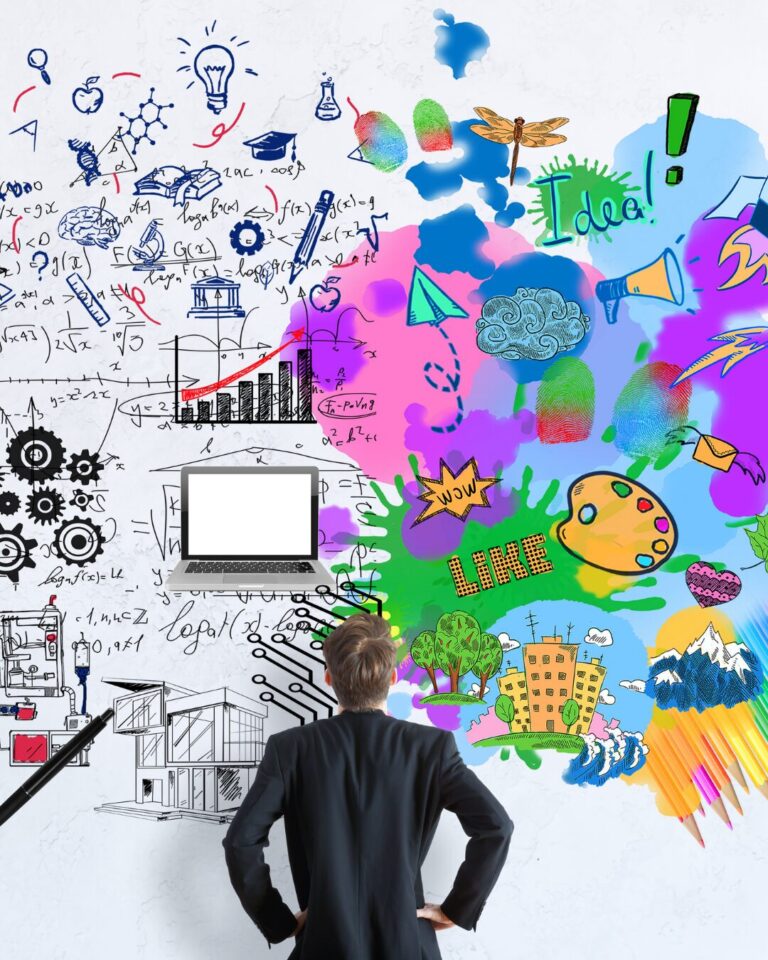
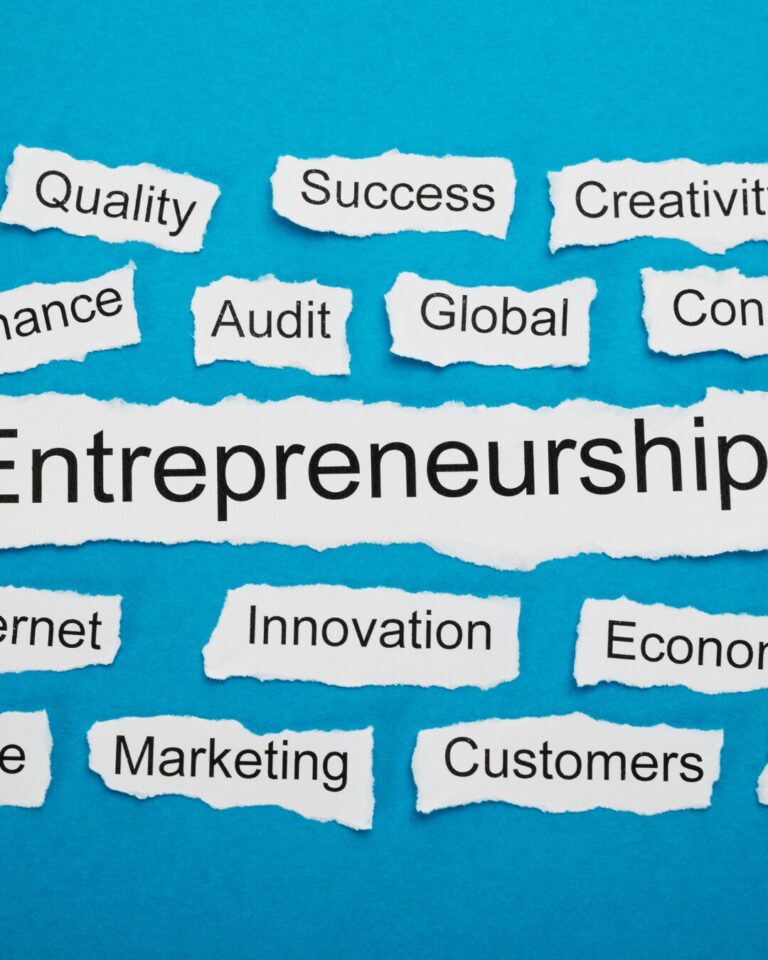
Many aspiring entrepreneurs – especially young people entering the digital economy – have ideas, but struggle to turn them into workable business models. In the field of virtual assistance, this gap can mean the difference between a hobby and a sustainable income.
The Virtual Assistant Skills and Entrepreneurship curriculum addresses this challenge by guiding vocational educators through practical steps to help learners move from concept to execution.

The importance of structured planning

An idea alone is rarely enough. To succeed, young entrepreneurs need:

  • Validation – Testing whether there is real demand for their service.
  • Structure – Organizing their thoughts into a workable framework.
  • Clarity – Knowing exactly what they offer and to whom.


The curriculum uses tools like the Business Model Canvas to help learners clarify:

  • Value propositions – What problem they solve for clients.
  • Customer segments – Who benefits from their service.
  • Key resources and activities – Skills, tools, and processes needed.
  • Revenue streams and costs – How they will earn and sustain operations.

Engaging, hands-on methods

To keep planning sessions practical and learner-friendly, the program recommends:

  • Business idea bingo – A creative activity for generating and sharing diverse service concepts.
  • Speed feedback rounds – Rapid peer-to-peer critiques to refine ideas.
  • Market research simulations – Gathering insights from mock or real client personas.
  • Collaborative Canvas workshops – Filling in business plan templates in small groups.

These methods transform abstract business concepts into concrete, actionable plans.

Role of the educator

Educators are not just facilitators – they act as mentors and challengers. Their role is to:

  • Encourage realistic thinking without discouraging creativity.
  • Help learners see both opportunities and risks.
  • Provide constructive feedback that sharpens focus.

Conclusion

Moving from an idea to a functioning digital business is a process that can – and should – be taught in an engaging, structured way. By blending creativity with strategic planning tools, vocational educators can give learners the confidence and clarity they need to launch their own ventures in the growing field of virtual assistance.


Link to the educational resource “Virtual Assistant Skills and Entrepreneurship curriculum”:

Von der Europäischen Union finanziert. Die geäußerten Ansichten und Meinungen entsprechen jedoch ausschließlich denen des Autors bzw. der Autoren und spiegeln nicht zwingend die der Europäischen Union oder der Europäischen Exekutivagentur für Bildung und Kultur (EACEA) wider. Weder die Europäische Union noch die EACEA können dafür verantwortlich gemacht werden.


Funded by the European Union. Views and opinions expressed are however those of the author(s) only and do not necessarily reflect those of the European Union or the European Education and Culture Executive Agency (EACEA). Neither the European Union nor EACEA can be held responsible for them.
Share this post

Facebook
Twitter
LinkedIn

Caritas Hong Kong Visits Youth Power Germany

Caritas Hong Kong Visits Youth Power Germany

A Beautiful Encounter: Caritas Hong Kong Visits Youth Power Germany

This June, we had the pleasure of welcoming a delegation from Caritas Hong Kong to our Berlin office as part of a study visit focused on youth mental health and education. Caritas, a long-standing organization with deep roots in community development and youth support across Hong Kong, came to learn more about our work at Youth Power Germany, particularly how we engage young people through creative, holistic, and non-formal education approaches.


At the heart of the visit was a rich exchange of methodologies, experiences, and shared values. Caritas introduced us to the impactful work they lead through their Youth and Community Service, a program designed to empower young people through outreach, service-learning, and inclusive community initiatives. They also presented Open Up, their innovative, text-based emotional support platform available 24/7 for youth aged 11–35—an important digital lifeline in a fast-paced world.

In turn, we at Youth Power Germany shared how our work creates space for young people to explore emotional wellbeing and civic engagement through two main formats. First, we introduced our Youth Exchanges, intercultural programs that combine art-based methods, personal storytelling, and collective reflection to raise awareness on issues like stress, anxiety, and identity.


These experiences foster emotional literacy, resilience, and solidarity among participants. Second, we presented our Training Courses for youth workers, structured one-week programs built around educational materials and facilitation strategies, aimed at deepening professional skills and enhancing support systems for young people in their local communities.


We also spoke about our publication “From Stressed Out to Stress Less”. Available as a free download, this resource is designed for youth workers and educators, offering a series of educational sessions on mental health that can be adapted and implemented locally. It was well received by our Caritas guests, who appreciated its practical approach and how it connects theory with action. Alongside the publication, we also shared our complementary podcast series, which continues the conversation around emotional wellbeing in a relatable and youth-led format.

We also took the opportunity to discuss some of our research-based collaborations with other organizations across Europe, particularly those exploring the intersection of mental health and digital literacy. This opened an engaging discussion with the Caritas team on the growing need to support young people in navigating virtual environments mindfully and safely.


What made this visit truly special was the spirit of openness and mutual learning. While our contexts and communities may differ, we discovered deep resonance in our approaches and aspirations. Both organisations are committed to youth empowerment, emotional wellbeing, and community resilience, each in its own way, but with a shared heart.


As our time together came to a close, we felt inspired by the exchange and grateful for the new connection. It was more than just a study visit; it was a reminder of the importance of international dialogue, solidarity, and cooperation in youth work. We look forward to continuing this conversation and building new pathways together for the wellbeing of young people everywhere.

Share this post

Facebook
Twitter
LinkedIn

Art Video – City Re:Frame: Metamorphosis in Public.

Art Video – City Re:Frame: Metamorphosis in Public.

City Re:Frame – Metamorphosis in Public

City Re:Frame – Exploring Well-being Through Performance brought together young people from across Europe for a powerful week of artistic exploration, movement, and reflection. Set in the heart of an urban landscape ( Malaga – Spain), the project invited participants to reimagine the city, not as a source of stress, but as a space for connection, creativity, and emotional resilience.

In today’s fast-paced world, many young people face overwhelming pressure, especially in urban environments. This youth exchange responded to that reality by offering a space to pause, move, and express. Participants explored how public spaces can become places of support and transformation, using tools such as storytelling, improvisation, and performance-based activities.


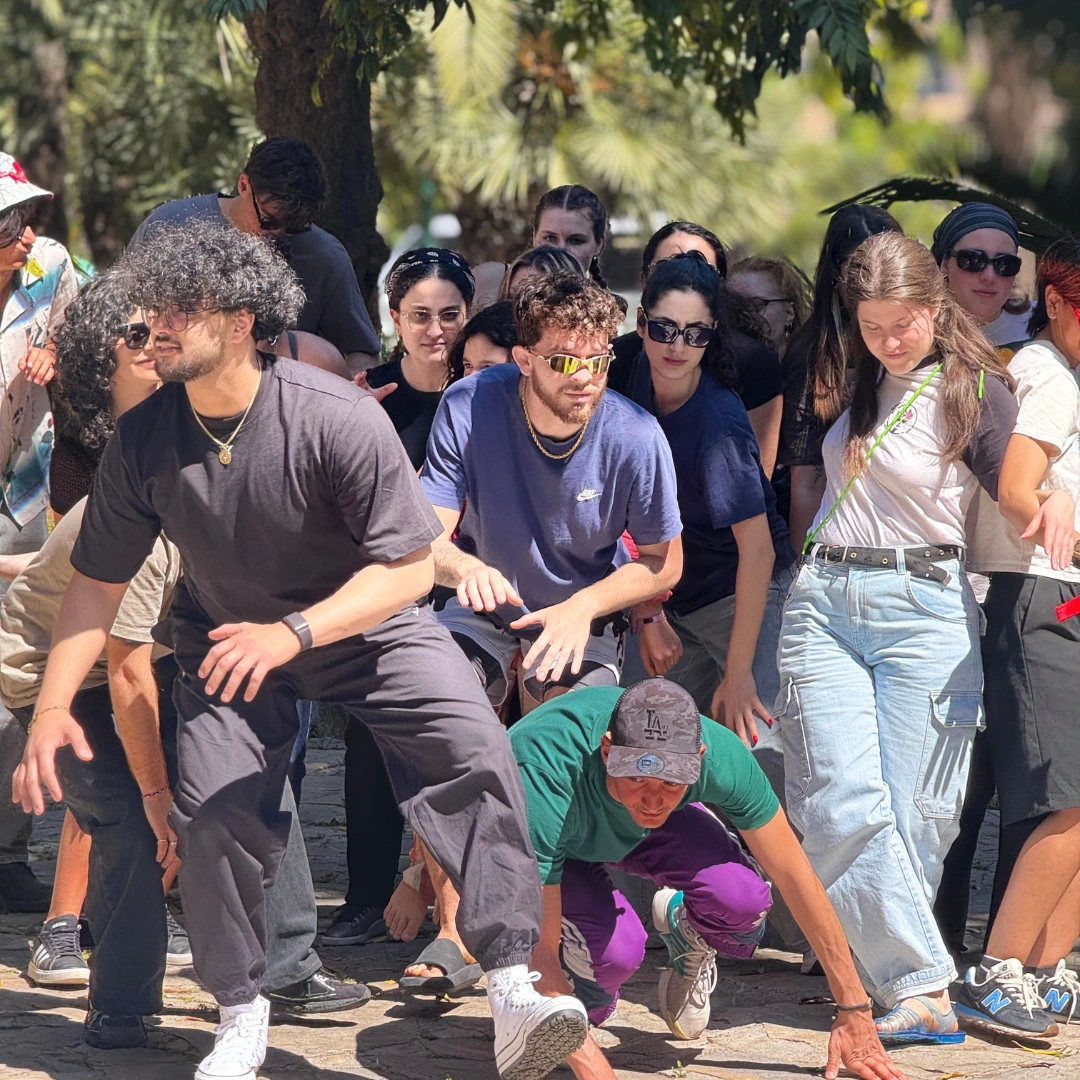
Throughout the week, the group engaged in creative workshops, movement sessions, and collaborative dialogues. Each participant developed a personal “animal persona” symbolising their instincts, strengths, or vulnerabilities, helping them explore identity, boundaries, and emotional regulation through embodied experience. These personas became central to a street performance developed by the group: a shared artistic response to urban stress, and a public invitation to reframe how we live in the city.


The final performance, “Metamorphosis in Public,” was staged in open urban space blurring the lines between audience and performer, between everyday routine and spontaneous creation. The city became a living stage for the participants’ voices, movements, and stories. Through the performance, they took ownership of the streets, reclaiming them as inclusive and creative environments.

Project Objectives:


  • To use movement and performance to explore how cities impact our mental health

  • To transform urban stress into opportunities for expression and connection

  • To build emotional awareness and resilience through collective creation

  • To encourage young people to see public space as a right, not a barrier

  • To promote intercultural exchange, shared learning, and solidarity

  • To leave with practical tools that support well-being in daily life


This exchange empowered participants to reflect on their relationship with city life—and to reshape it through movement, imagination, and collective action.


Co-funded by the European Union


♥ Special thanks to all the amazing participants for their energy, openness, and creativity. You turned the city into a space of transformation, and we are proud of each and every one of you!

Funded by the European Union. Views and opinions expressed are however those of the author(s) only and do not necessarily reflect those of the European Union or the European Education and Culture Executive Agency (EACEA). Neither the European Union nor EACEA can be held responsible for them.
Share this post

Facebook
Twitter
LinkedIn

Article: Fostering an entrepreneurial mindset in vocational education

Article: Fostering an entrepreneurial mindset in vocational education

Entrepreneurship is no longer limited to starting a large business or launching a groundbreaking product. In today’s dynamic economy, it’s a way of thinking – an ability to identify opportunities, take initiative, and turn ideas into action. The Virtual Assistant Skills and Entrepreneurship curriculum uses the EntreComp framework to help vocational educators instill this mindset in their learners, preparing them for both self-employment and the modern workforce.

Understanding the entrepreneurial mindset

An entrepreneurial mindset combines attitudes, skills, and behaviors that enable individuals to create value for others. In the context of vocational education, it empowers learners to:

  • Identify and seize opportunities.
  • Adapt to changing circumstances.
  • Work independently and take responsibility for their outcomes.
  • Innovate and solve problems creatively.

The EntreComp framework outlines three competence areas:

  1. Ideas and opportunities – Spotting possibilities and generating value-driven concepts.
  2. Resources – Leveraging skills, networks, and knowledge effectively.
  3. Into action – Planning, executing, and learning from real-world projects.

Why it’s essential for VET learners

For many young people, especially those seeking flexible or freelance careers such as virtual assistance, entrepreneurship is the bridge between skills and income. It encourages:

  • Proactivity – Taking ownership of professional growth.
  • Resilience – Learning from failure and adapting strategies.
  • Creativity – Finding innovative solutions in competitive markets.

Practical approaches for educators


 The curriculum offers interactive ways to foster entrepreneurial thinking:


  • Case study analysis – Discussing real-life scenarios where entrepreneurial attitudes made the difference.
  • Gallery walks – Engaging learners with the 15 EntreComp competences through visual, discussion-based activities.
  • Co-designing learning activities – Encouraging students to create projects that develop specific competences like problem-solving or collaboration.
  • Peer reflection – Building self-awareness through group feedback and shared experiences.

Integrating mindset development into VET

Entrepreneurial mindset training should be:

  • Contextual – Linked to the learners’ vocational field and career goals.
  • Hands-On – Focused on doing, not just discussing.
  • Supportive – Encouraging experimentation without fear of failure.

Conclusion

By embedding entrepreneurial mindset development into vocational education, we prepare learners not only for their first job but for a lifetime of adaptability and self-driven success. Using frameworks like EntreComp, educators can transform classrooms into innovation hubs – spaces where students don’t just learn skills but learn to create opportunities. In the context of virtual assistance and other digital careers, this mindset becomes a powerful tool for building sustainable, future-ready livelihoods.

Link to the educational resource “Virtual Assistant Skills and Entrepreneurship curriculum”:

Von der Europäischen Union finanziert. Die geäußerten Ansichten und Meinungen entsprechen jedoch ausschließlich denen des Autors bzw. der Autoren und spiegeln nicht zwingend die der Europäischen Union oder der Europäischen Exekutivagentur für Bildung und Kultur (EACEA) wider. Weder die Europäische Union noch die EACEA können dafür verantwortlich gemacht werden.


Funded by the European Union. Views and opinions expressed are however those of the author(s) only and do not necessarily reflect those of the European Union or the European Education and Culture Executive Agency (EACEA). Neither the European Union nor EACEA can be held responsible for them.
Share this post

Facebook
Twitter
LinkedIn

Youth Power Germany joins SXM DOET 2025

Youth Power Germany joins SXM DOET 2025

Youth Power Germany Joins SXM DOET 2025!

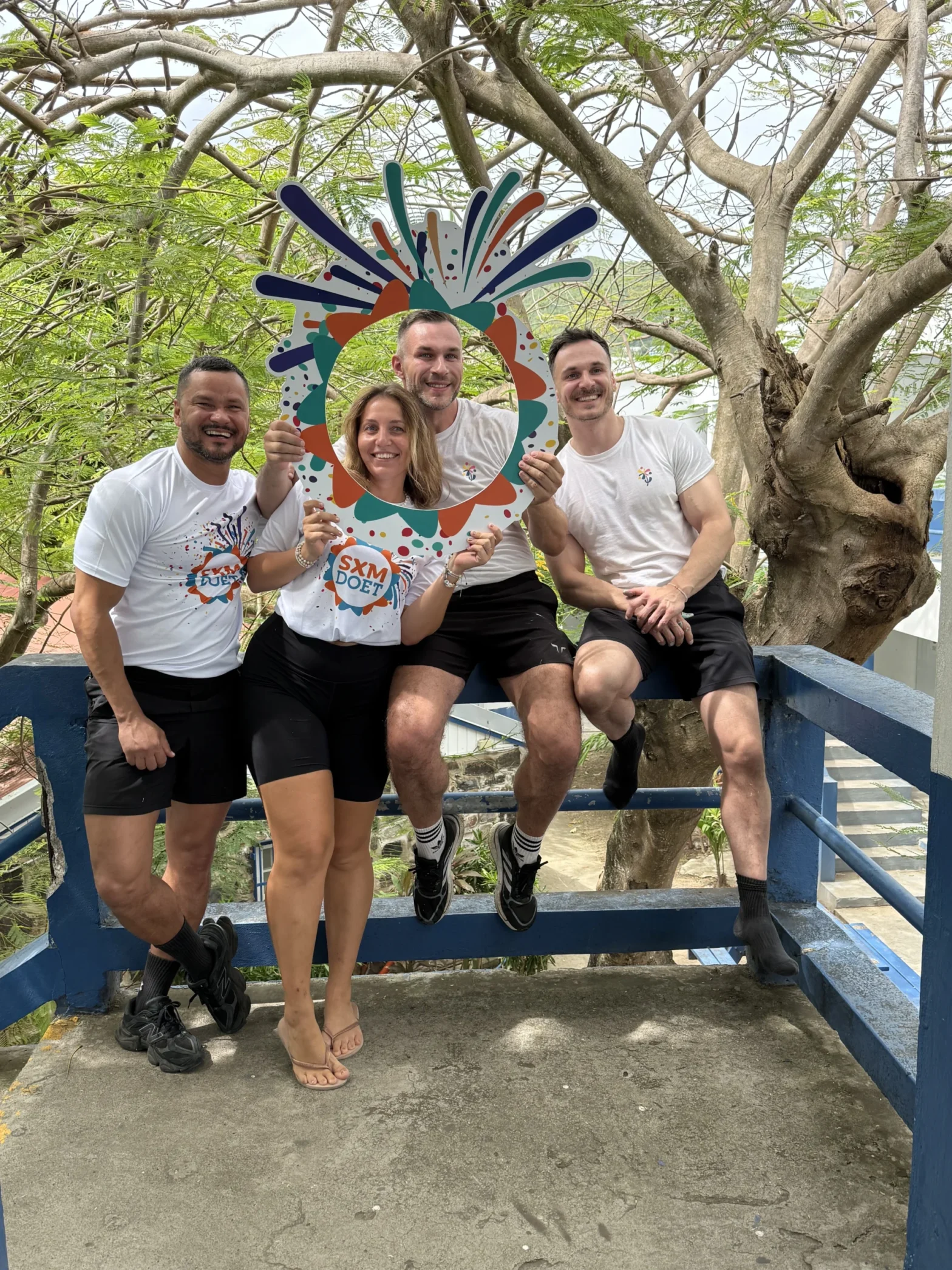
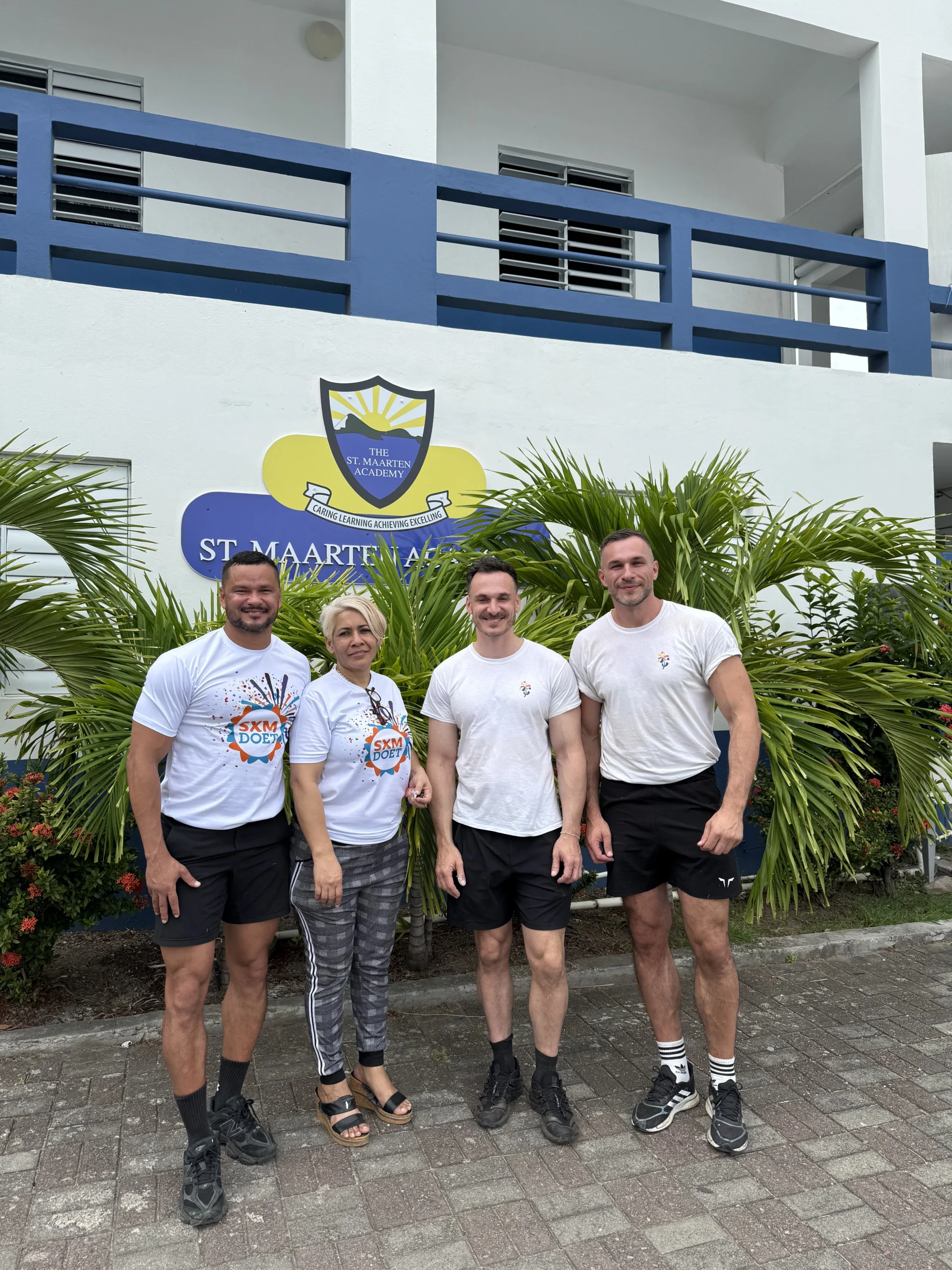
In March 2025, a group of us from Youth Power Germany had the privilege of joining SXM DOET, the largest annual volunteer initiative in Sint Maarten. This extraordinary experience took place during our study visit as part of the Beyond Tokenism: Youth Leading Inclusion project and it left us energised, reflective, and profoundly inspired.


What is SXM DOET?

SXM DOET is not just an event. It’s a powerful celebration of community engagement and grassroots action. Organized in coordination with the Dutch Kingdom’s NLdoet platform, it mobilizes thousands of people every year across the Dutch Caribbean. In just two days, volunteers support over a hundred community projects — from fixing playgrounds and gardening at schools, to renovating community centers and supporting local NGOs.

It’s an initiative that shows just how impactful volunteerism can be when people come together for a common cause.


Our Role in the Action

As visiting youth workers and participants in the Beyond Tokenism project, we wanted our time in Sint Maarten to go beyond observation. We wanted to connect meaningfully with the local community  and volunteering with SXM DOET gave us the perfect opportunity to do so.


Over the course of two days, we joined a variety of volunteer projects:

  • 🧹 Clearing and organizing storage spaces for a local nonprofit that supports families and youth.
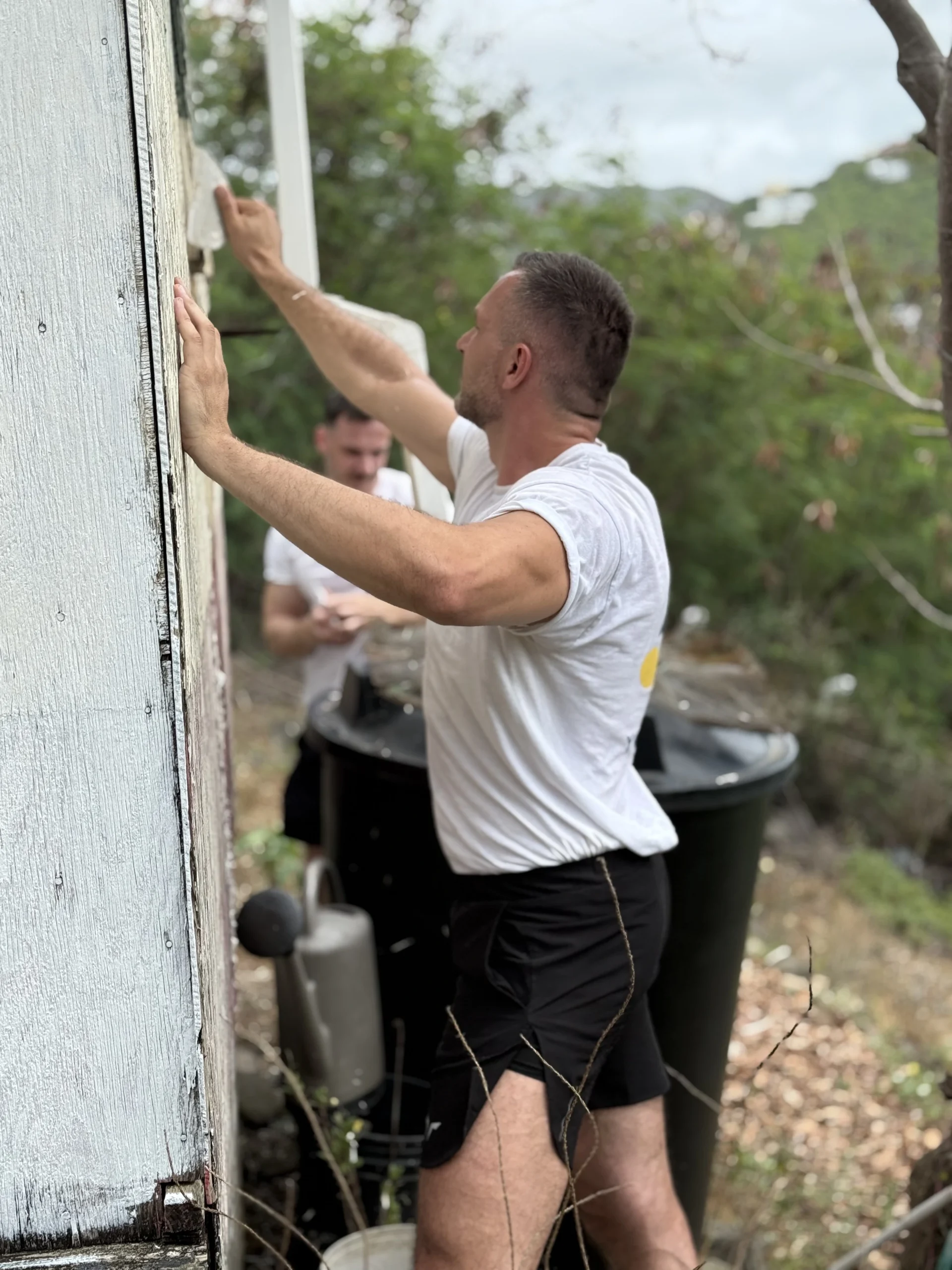
  • 🏠 Painting a storage home on a hill.
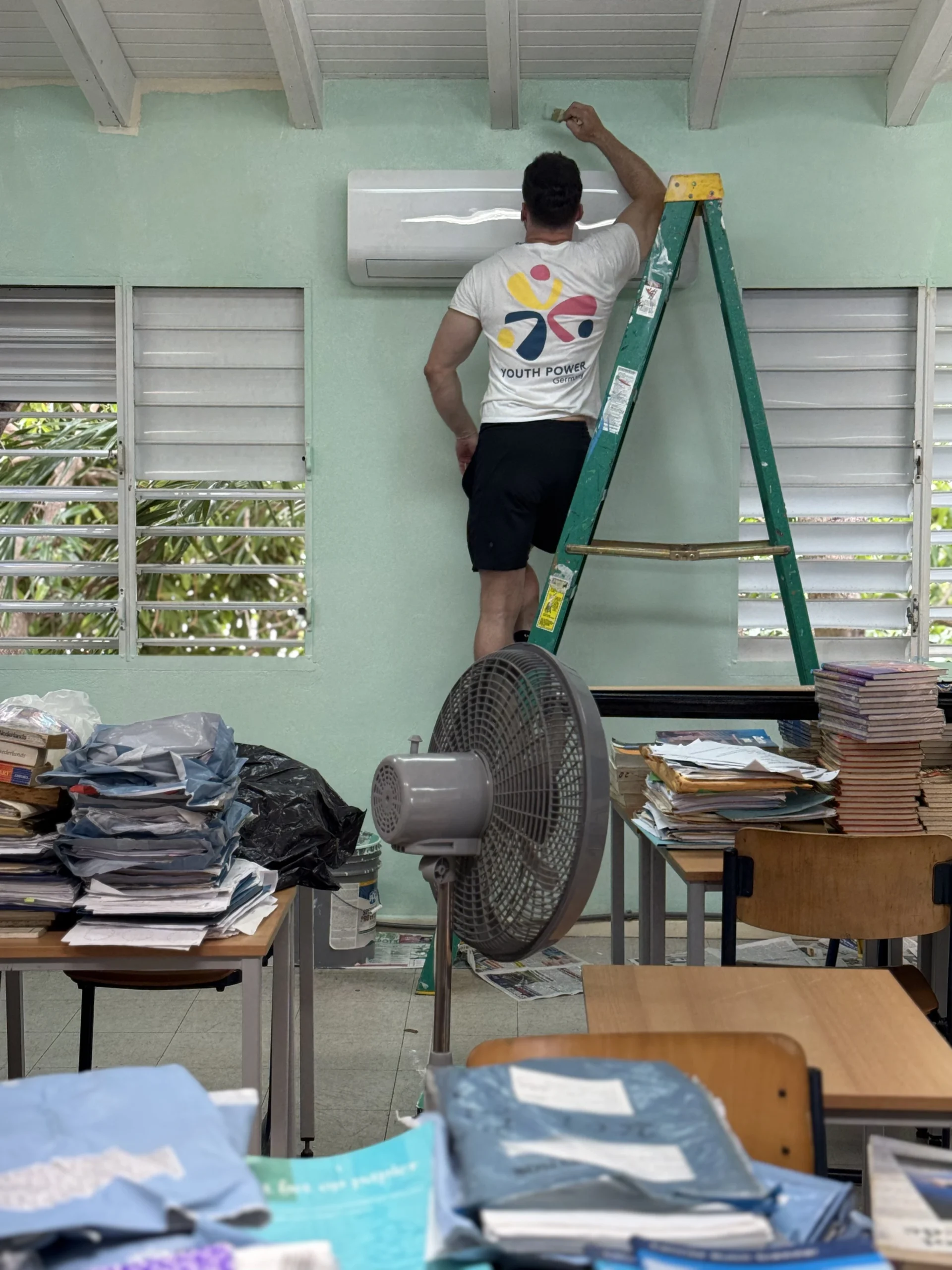
  • 🎨 Transforming a classroom at Saint Maarten Academy, where we were warmly welcomed by students full of gratitude, curiosity, and joy.

Each task brought us closer to the community, allowed us to see the island from a different lens, and reminded us of the universal language of solidarity and service.


Lessons Beyond the Paintbrush

Volunteering during our study visit Beyond Tokenism agenda,  it was one of the most real and embodied ways to understand the very principles we were there to explore: youth participation, inclusion, ownership, and action.


We learned that inclusion doesn’t just happen in policy documents or meetings, it happens on the ground, in shared work, in listening, in being useful to others. We felt firsthand how volunteering helps dissolve barriers and builds genuine relationships.

And perhaps most importantly: we learned that even small gestures — painting a wall, tidying a room, sharing a laugh — can spark big change.

Grateful, Inspired, and Ready for More

As we left Sint Maarten, our hearts were full. Not only had we learned through exchanges, but we had done something tangible alongside local people. It was a beautiful reminder of why Beyond Tokenism exists: to push youth participation from symbolic to meaningful, from the margins to the centre.


We are deeply grateful to the community,  local partners and organisations for their kindness, hospitality, and spirit.

To anyone considering joining SXM DOET in the future, do it!  Whether you’re local or visiting, young or old, skilled or learning — there’s a place for you to make a difference.


👉 Learn more about SXM DOET and how you can get involved:
www.sxmdoet.com

Share this post

Facebook
Twitter
LinkedIn

Study Visit Report – Beyond tokenism Youth lead inclusion

Study Visit Report – Beyond tokenism Youth lead inclusion

Study Visit in St. Maarten: Learning Inclusion Beyond Tokenism

From 14th – 17th May 2025, the “Beyond Tokenism: Youth Leading Inclusion” project held a transformative study visit in St. Maarten, hosted by the Caribbean Education and Culture Foundation (CECF). Participants engaged with local organisations including the University of St. Martin, Freegan Food Foundation, Leaders for Change, Equipex, Freedom Fighters SXM, and St. Maarten Academy to explore real-life approaches to youth inclusion, social entrepreneurship, and community empowerment.

Through direct dialogue, volunteering, and hands-on learning, the group examined how tokenism can be identified and overcome.


The visit offered deep insight into the challenges of building inclusive communities and highlighted practical strategies rooted in respect, intersectionality, and genuine youth participation. The experience reinforced the importance of moving beyond symbolic representation and toward sustainable, inclusive practices across Europe and its outermost regions.


Check the PDF document below for a detailed report of the activity.


Beyond Tokenism: Youth Leading Inclusion is a European youth project that empowers young people to recognize, challenge, and move beyond symbolic representation in participation spaces. Through international exchanges, training, and local activities, it promotes genuine inclusion by equipping youth workers and young leaders with tools to foster intersectional, participatory, and meaningful engagement in their communities.

Funded by the European Union. Views and opinions expressed are however those of the author(s) only and do not necessarily reflect those of the European Union or the European Education and Culture Executive Agency (EACEA). Neither the European Union nor EACEA can be held responsible for them.

Share this post

Facebook
Twitter
LinkedIn

Accreditation 2023: Building Europe’s Future Through Education and Empowerment

Accreditation 2023: Building Europe’s Future Through Education and Empowerment

Accreditation 2023: 20 Steps Toward a Stronger, Smarter, and More Connected European Youth.

In 2023, Youth Power Germany e.V. brought the Erasmus+ accreditation to life through a vivid mosaic of twenty unique activities across Europe. From Berlin to Barcelona, Seville to Split, Vienna to Zadar, this was not simply a year of training and exchange, it was a continent-wide celebration of resilience, creativity, learning, and youth empowerment.


Each of these activities was born from a clear intention: to respond meaningfully to the evolving needs of youth workers, educators, young artists, and activists navigating an increasingly complex world. Topics such as mental health, human rights, digital literacy, environmental sustainability, social inclusion, and civic engagement weren’t just discussed, they were experienced, reflected upon, and turned into tools for change.

A Network of Empowerment and Discovery

What made these 20 initiatives remarkable wasn’t just the depth of content but the quality of connection they generated. In each location, young people and youth workers from over 15 European countries gathered not just to learn, but to unlearn, challenge, co-create, and grow.


In Barcelona, participants explored the potential of artificial intelligence in the “AI in Action” training course, creating promotional tools with ChatGPT and Midjourney. That same city hosted a youth exchange on digital discrimination called “E-Equality,” where young people learned how to counter hate speech and developed impactful online campaigns.


Meanwhile, in Berlin, the focus shifted to democracy and digital competencies. Through projects like “Project Development for Beginners,” “Navigating Narratives,” and “Citizens of Tomorrow,” youth workers were trained to become agents of civic change, armed with tools for political participation, media literacy, and grassroots activism.


Down in Croatia, Zadar became a hub of mental health education. From “From Stressed OUT to Stress LESS” to “Empowering Diversity” and “GBV Prevention 101,” participants were guided through self-care, emotional regulation, and building safe spaces for marginalized groups. In Split, emotional intelligence took center stage, with educators learning to support young people’s mental well-being in a holistic and empathic way.


In Austria, “Sporting Unity” invited young people to see sports as a vehicle for inclusion, understanding, and respect. In Seville, artists came together for “Creative Echoes,” turning movement and dance into pathways for stress management and self-discovery.


Everywhere, stories unfolded. A participant from the “Creative Board” exchange in Malaga shared how art helped them build self-confidence and community. A youth worker in Mostar said that understanding democracy on a deeper level changed how they engage their local peers. In Berlin, someone who had never spoken publicly about human rights before ended the week by publishing a video project about Germany’s history and democracy.

Lessons that Last

The accreditation’s strength wasn’t just in what was taught, it was in how learning was facilitated. Each activity was anchored in non-formal education methods: learning by doing, peer-to-peer sharing, artistic expression, group work, simulation, and collaborative projects. These formats didn’t just develop knowledge; they sparked transformation.


Participants didn’t go home empty-handed. They left with media campaigns, stress management workshops, AI tools, inclusive teaching methods, and even full project proposals ready to be launched. Some initiated new youth projects in their communities. Others wrote articles, launched YouTube campaigns, or joined local decision-making bodies.


Beyond the knowledge gained, it was the feeling of belonging, to a European youth movement that stayed with participants. As one participant from “Belong to Yourself” expressed:


“I felt seen, heard, and safe. The facilitators awakened so much in me. I finally know how to support others while staying true to myself.”


Another young person in “Creative Horizons” reflected:


“I got out of my comfort zone and discovered new ways to express my beliefs through art. I’ll never see Europe the same again.”

Why It All Mattered

In a world shaped by climate urgency, digital overload, polarization, and social isolation, these 20 activities represented a counter-current of hope and action. They weren’t just about skills or certificates, they were about unlocking human potential.


They empowered youth workers to bring meaningful change to their organizations. They helped young people realize that their voices matter, their emotions are valid, and their ideas can shape societies.


They built bridges between countries, between individuals, and between the present and a more inclusive, just, and connected future.


A Movement in Motion

Accreditation 2023 was not the finish line, it was a launchpad. The ripples created by these experiences continue today through local workshops, creative initiatives, and policy engagements led by those who participated. Youth Power Germany e.V. remains committed to nurturing this movement where education is experiential, where diversity is celebrated, and where young people lead the way.


Because when young people grow, Europe grows.


When young people connect, peace becomes possible!


When young people are trusted and trained, the future gets brighter for us all.


Funded by the European Union. Views and opinions expressed are however those of the author(s) only and do not necessarily reflect those of the European Union or the European Education and Culture Executive Agency (EACEA). Neither the European Union nor EACEA can be held responsible for them.

Share this post

Facebook
Twitter
LinkedIn

Equal Not Same: Youth from Across Europe Unite to Challenge Gender Stereotypes

Equal Not Same: Youth from Across Europe Unite to Challenge Gender Stereotypes

From 24th April to 1st May 2025, the beautiful city of Chania, Crete became the meeting point for young people from Greece, Germany, Slovenia, Italy, and Lithuania, who gathered for the Erasmus+ Youth Exchange “Equal Not Same”. The project was coordinated and implemented by the Institute of Research & Training on European Affairs (IRTEA), with the support of international partner organizations, including Youth Power Germany.

Equal Not Same: Youth from across Europe unite to challenge gender stereotypes

The exchange tackled the timely and complex issue of gender-based discrimination, particularly how daily behaviors, language, and societal norms contribute to inequality. Set against the backdrop of a post-pandemic reality, the project also examined how the COVID-19 crisis has deepened existing disparities and impacted the mental health of individuals facing gender injustice.


The aim of Equal Not Same was to raise awareness, challenge stereotypes, and promote inclusive attitudes. Participants explored these themes not only through critical discussion, but also through creative expression designing and producing a video campaign to reflect on their learnings and speak out against discrimination.

The methodology of the project was rooted in non-formal education, offering participants an experiential learning environment. Over the course of the program, young people took part in:

  • Workshops, group reflections, and storytelling

  • Role-playing games, physical exercises, and creative labs

  • Case studies on gender inequality and mental health

  • Study visits and interviews with local communities

  • Intercultural evenings, celebrating diversity and shared values.


These activities not only encouraged learning and participation but also helped build empathy, cross-cultural understanding, and a deeper personal connection to the subject matter.

Empowering Young Voices

One of the key outcomes of the exchange was the empowerment of young participants to become advocates for equality. By using audiovisual tools including the creation of campaign videos, participants could translate their experiences and reflections into impactful public messages. In parallel, research tasks like community interviews and questionnaires helped them develop critical thinking and communication skills.


Special attention was also given to how gender stereotypes affect mental wellbeing, recognizing the importance of emotional resilience and support in the fight for equality. The project provided safe spaces for sharing, listening, and reflecting, ensuring that all voices were heard and valued.

Set in the beautiful natural surroundings of Agioi Apostoloi, just outside Chania, participants were hosted at Camping Chania in shared bungalows, creating a close-knit and supportive environment. Daily activities, shared meals, and evening cultural events fostered strong bonds between groups, making the week not just educational, but deeply human.

The exchange concluded with a commitment from all groups to continue sharing what they learned, through social media, local actions, and future Erasmus+ projects.

A United Effort Across Borders

Equal Not Same stood out as an impactful youth exchange where meaningful learning met creativity, cooperation, and social responsibility. IRTEA’s coordination and the involvement of partner organizations like Youth Power Germanymade this project a shining example of how international collaboration can help young people challenge injustice and become active agents of change in their communities.

Funded by the European Union. Views and opinions expressed are however those of the author(s) only and do not necessarily reflect those of the European Union or the European Education and Culture Executive Agency (EACEA). Neither the European Union nor EACEA can be held responsible for them.

Share this post

Facebook
Twitter
LinkedIn

Article – Virtual Assistance – A pathway to digital employment for young people

Article – Virtual Assistance – A pathway to digital employment for young people

In a world where the digital economy is expanding faster than traditional industries can adapt, virtual assistance has emerged as a versatile and accessible career path. For young people, especially those facing barriers to traditional employment, this profession offers the opportunity to build marketable skills, work remotely, and connect with clients worldwide. The Virtual Assistant Skills and Entrepreneurship curriculum, developed under the Erasmus+ FIGHT-DIGIT project, provides vocational educators with the tools to prepare unemployed youth for this growing field.


What is virtual assistance?

A virtual assistant (VA) is a professional who provides administrative, creative, or technical services to clients from a remote location. This can include managing emails, scheduling meetings, handling social media, creating content, conducting research, or even providing customer support.


Unlike traditional office roles, virtual assistance offers flexibility in working hours, location, and business models, making it an attractive option for those seeking work-life balance or living in areas with limited job opportunities.

Why it matters for youth employment

For unemployed and NEET (Not in Education, Employment, or Training) youth, virtual assistance represents:

  • Accessibility – Entry-level roles often require skills that can be learned quickly and enhanced through practice.
  • Scalability – With experience, virtual assistants can expand into specialized services or agency models.
  • Global reach – Work is not limited to local job markets; clients can come from anywhere in the world.
  • Skill development – Digital literacy, communication, time management, and problem-solving are all enhanced through VA work.

Key skills and competencies

The FIGHT-DIGIT curriculum identifies essential skills for aspiring VAs:

  • Digital tools mastery – Proficiency in platforms like Trello, Canva, Zoom, and Miro.
  • Communication and collaboration – Navigating remote work environments effectively.
  • Entrepreneurial mindset – Understanding how to market oneself and manage a freelance business.
  • Adaptability – Responding to evolving technologies and client needs.

Integrating virtual assistance into education

Educators can introduce virtual assistance through:

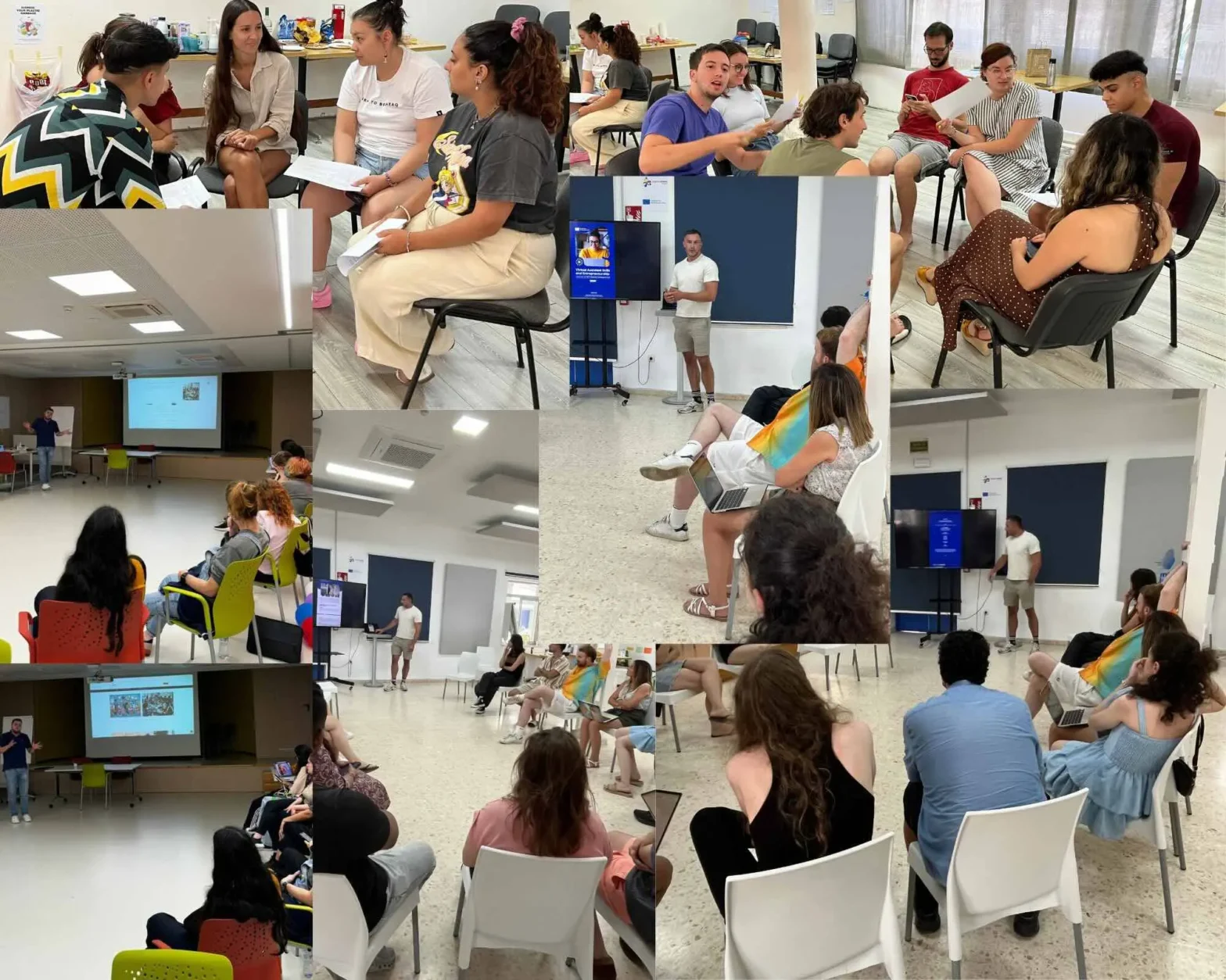
  • Interactive workshops – Role-playing client interactions, conducting market research, and drafting service proposals.
  • Practical simulations – Creating mock projects using real-world tools.
  • Entrepreneurial exercises – Encouraging learners to develop and pitch their own service ideas.

Conclusion

Virtual assistance is more than a job – it’s a gateway into the digital economy. By equipping young people with the skills, confidence, and entrepreneurial mindset needed for this career, educators can open pathways to sustainable self-employment and economic independence. The Virtual Assistant Skills and Entrepreneurship curriculum provides a structured, practical approach to making this vision a reality.

Link to the educational resource “Virtual Assistant Skills and Entrepreneurship curriculum”:  

Von der Europäischen Union finanziert. Die geäußerten Ansichten und Meinungen entsprechen jedoch ausschließlich denen des Autors bzw. der Autoren und spiegeln nicht zwingend die der Europäischen Union oder der Europäischen Exekutivagentur für Bildung und Kultur (EACEA) wider. Weder die Europäische Union noch die EACEA können dafür verantwortlich gemacht werden.


Funded by the European Union. Views and opinions expressed are however those of the author(s) only and do not necessarily reflect those of the European Union or the European Education and Culture Executive Agency (EACEA). Neither the European Union nor EACEA can be held responsible for them.
Share this post

Facebook
Twitter
LinkedIn

Art Video Campaigns

Art Video Campaigns

"Art for awareness" Video Campaigns

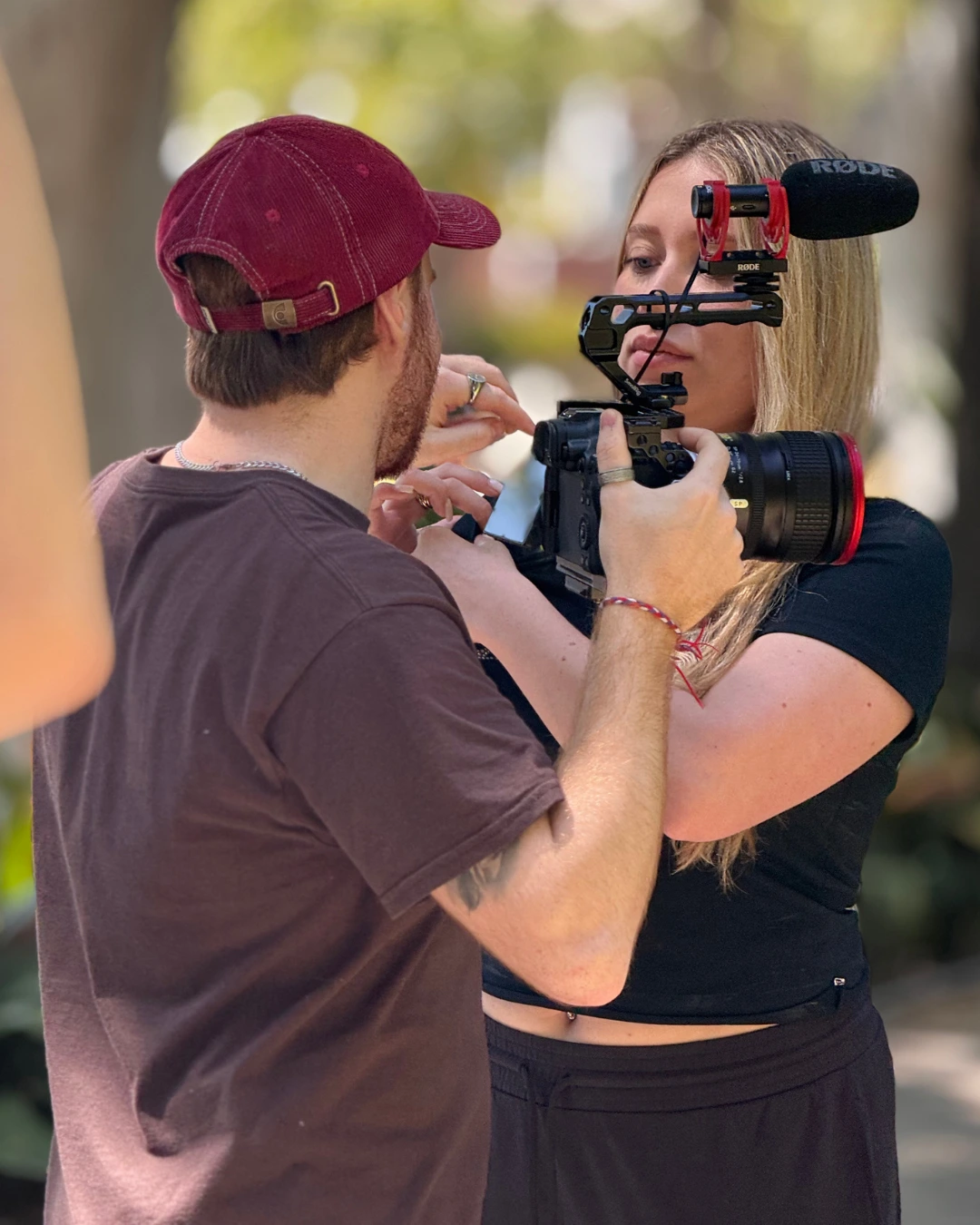
As a part of the Youth Exchange “ART FOR AWARENESS: FOSTERING Dialogue and Inclusion”  young people were provided with a platform to explore equality, human rights, and inclusion through artistic expression. They engaged in visual art, storytelling, and performance. Participants reflected on their experiences, perspectives, and co-created works that promote tolerance and social cohesion.


The co-creative process highlights the importance of dialogue, tolerance, and the role of art as a catalyst for social change. By the end, participants have created impactful art video campaigns, which formed lifelong connections, and found motivation to drive lasting social change. Join us in using art to inspire awareness and build a more inclusive world. Support creativity and change by subscribing on our YouTube channel where we share all Art Campaigns and more!

Project objectives and campaign goals

This journey goes beyond creativity it fosters empathy, critical thinking, and open dialogue. In a safe and inclusive space, participants engage in meaningful discussions, broaden their worldviews, and develop a strong sense of solidarity.


The objective of this workshop was to provide participants with a deeper understanding of equality and human rights, a sense of shared humanity, and tools for promoting inclusion in their communities.

Share this post

Facebook
Twitter
LinkedIn