Article: From Protest to Participation: Why Young Voices matter more than ever
The student movement in Serbia and growing demands for meaningful youth participation around the world remind us why projects such as ACTIVATE are essential for strengthening democracy, civic engagement and young people’s capacity to shape their societies.
A Generation Demanding to Be Heard
Across the world, young people are increasingly challenging the idea that democracy is something they should simply inherit rather than actively shape. From student demonstrations and community initiatives to digital activism and creative civic movements, young people are finding new ways to express their concerns, question institutions and demand accountability.
Yet, despite their willingness to engage, many continue to encounter barriers to meaningful participation. Their opinions may be welcomed in consultations, but they are not always reflected in political decisions. Their creativity is celebrated, but their ability to influence change often remains limited.
This contradiction raises an important question: Are we genuinely creating opportunities for young people to participate in democracy, or are we simply inviting them to observe it?
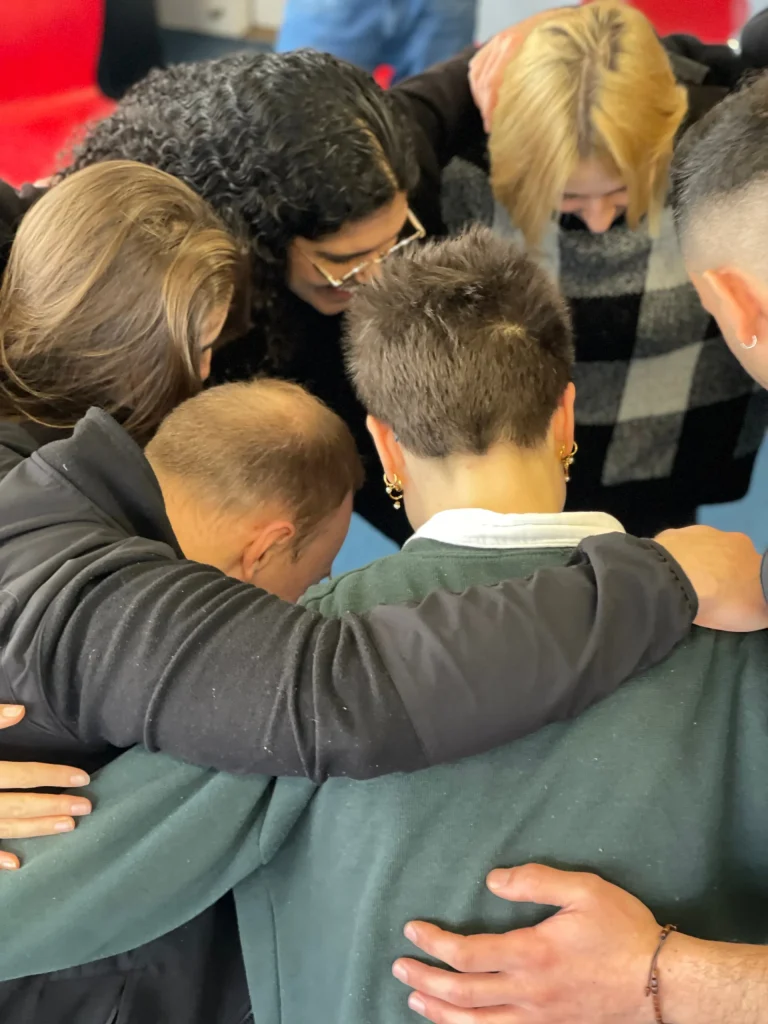
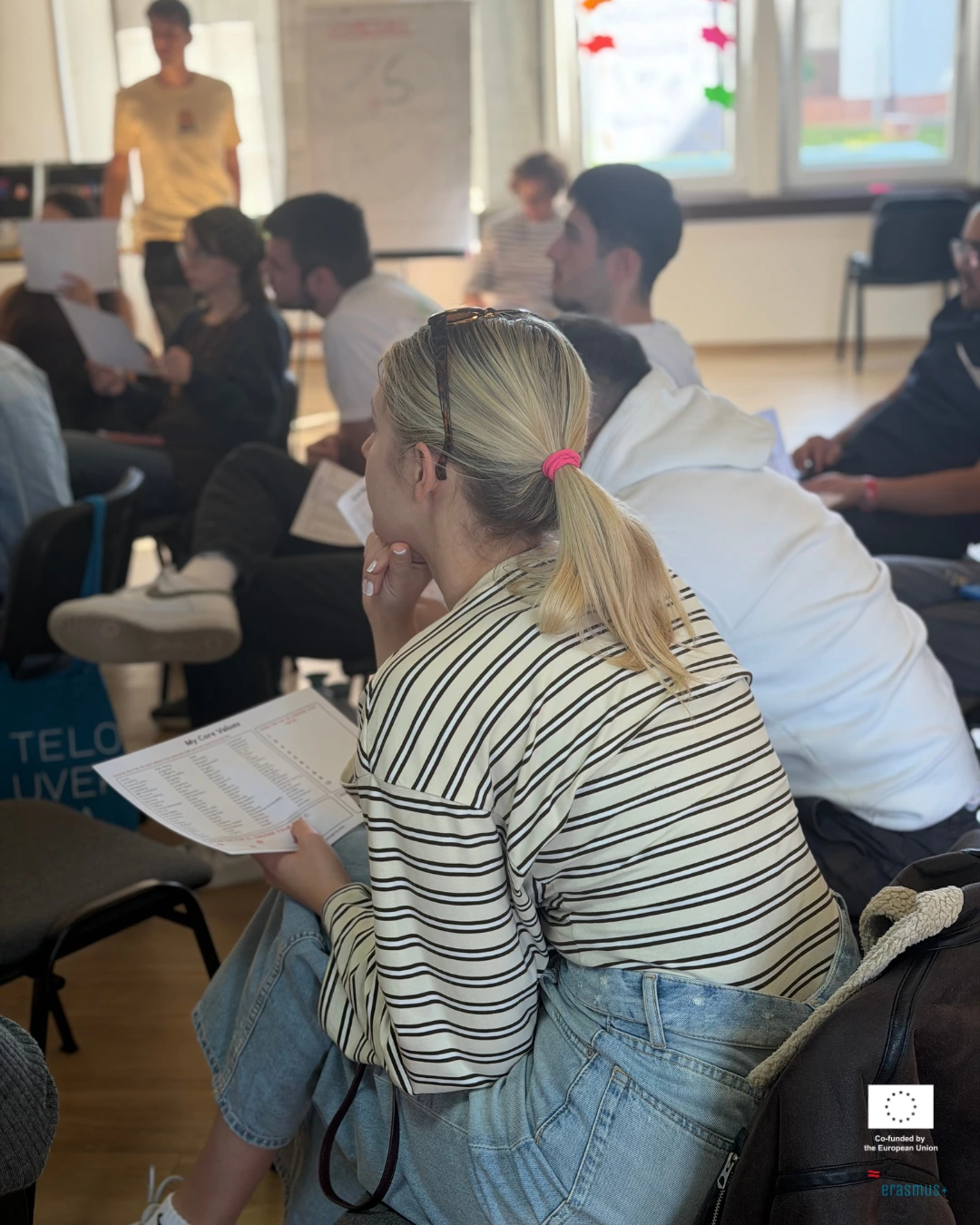
The ACTIVATE project addresses this challenge by creating spaces where young people can strengthen their civic competences, develop critical thinking, understand democratic processes and explore meaningful ways to influence the communities in which they live.
Serbia: When Students Turn Civic Responsibility into Collective Action
One of the most significant recent examples of youth-led civic mobilisation comes from Serbia.
Following the collapse of a railway station canopy in Novi Sad in November 2024, which killed 16 people, students began organising demonstrations demanding accountability, transparency and institutional responsibility.
What started as a response to a tragedy evolved into a nationwide movement that mobilised students, educators and citizens around questions of justice, corruption and democratic governance.
The movement demonstrated that youth participation extends far beyond voting or joining political organisations. It can emerge through solidarity, collective organisation, public dialogue, peaceful demonstrations and the determination to hold institutions accountable.
In October 2026, the student-backed movement achieved a historic electoral victory, winning a parliamentary majority and opening a new chapter in Serbia’s political development. Yet this achievement also raises a crucial democratic challenge: transforming collective mobilisation into transparent, inclusive and accountable governance.
Serbia offers an important lesson for youth work across Europe: young people are not necessarily politically disengaged. Sometimes, they are searching for meaningful ways to participate because existing structures have failed to respond to their concerns.
Why Youth Participation Needs More Than Good Intentions

The challenge is not limited to Serbia.
According to UNESCO’s 2026 report Lead with Youth, only around one in three countries have formal bodies for involving young people or students in education-related decision-making. Moreover, only 35% of surveyed youth organisations reported that their contributions had been taken into account during policy development.
These findings reveal an important gap between participation and actual influence.
At the same time, young people are navigating an increasingly complex information environment. Misinformation, polarisation, manipulative digital content and declining trust in institutions can make democratic engagement more challenging.
In such circumstances, young people need more than encouragement to participate. They need access to reliable information, opportunities to exchange perspectives, practical civic competences and environments where they feel safe to express themselves.
Democracy cannot remain meaningful if young people are invited to speak but are not given opportunities to influence what happens next.
ACTIVATE: Connecting Critical Thinking, Creativity and Civic Action
This is where the ACTIVATE project becomes particularly relevant.
Through its Digital Resilience and Media Labs, ACTIVATE encourages young people to question the information they encounter, recognise misleading narratives, evaluate sources and understand how digital environments influence public opinion.
These competences are essential in a world where civic movements and democratic debates increasingly unfold both online and offline.
However, critical thinking alone is not enough. Young people also need opportunities to transform their reflections into action.
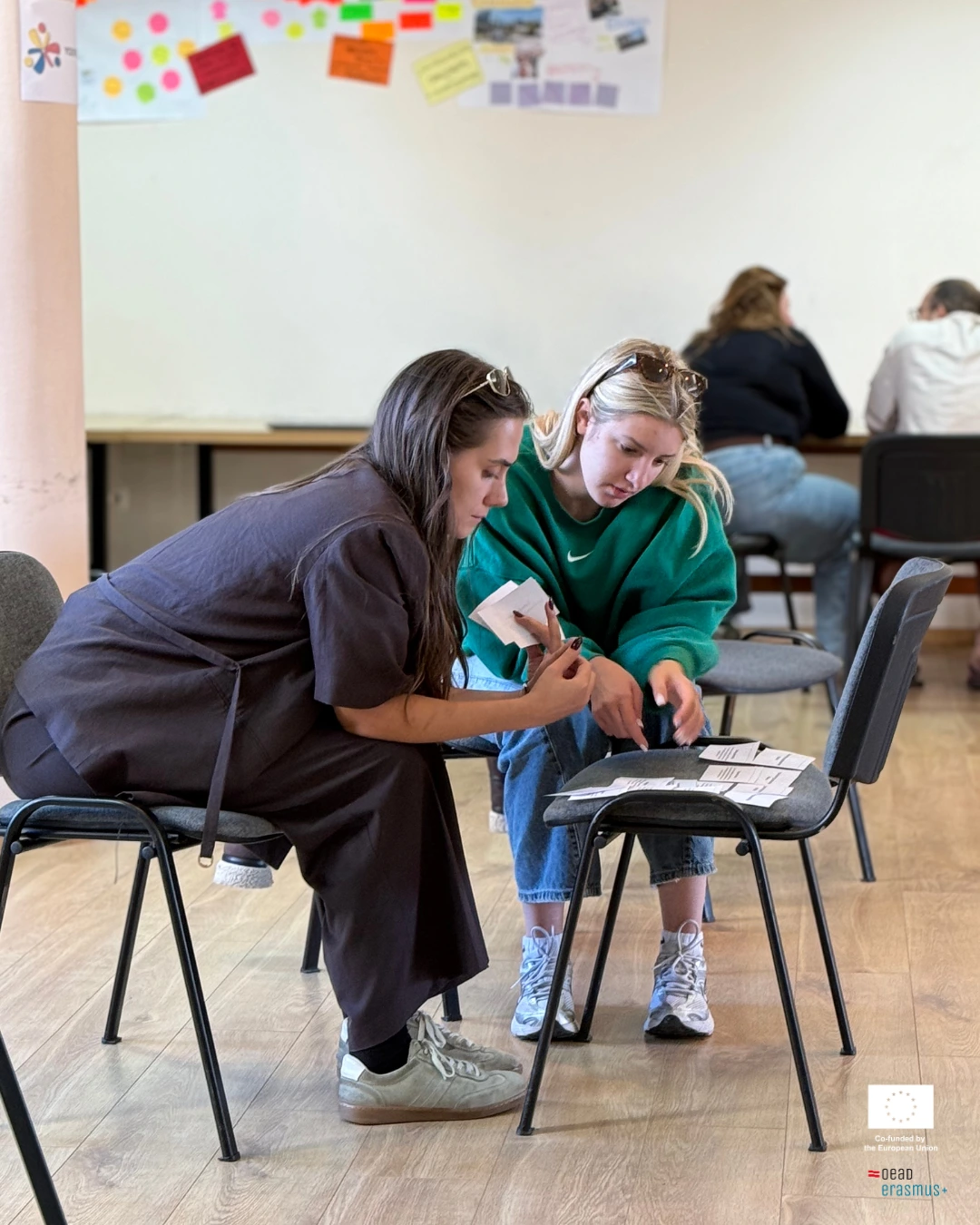
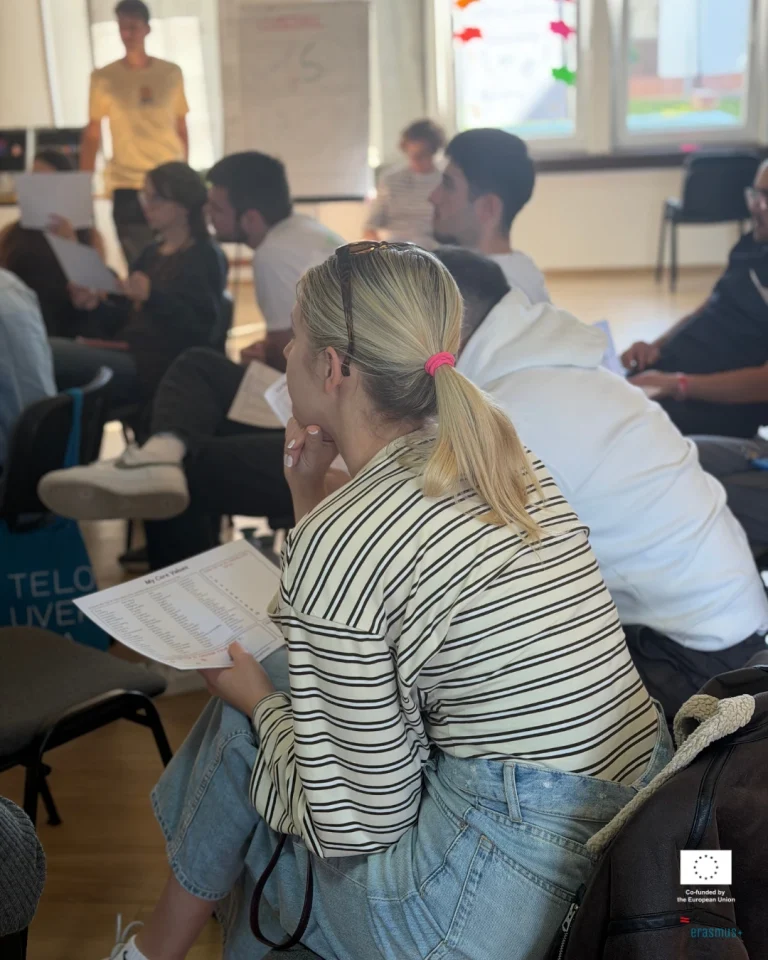
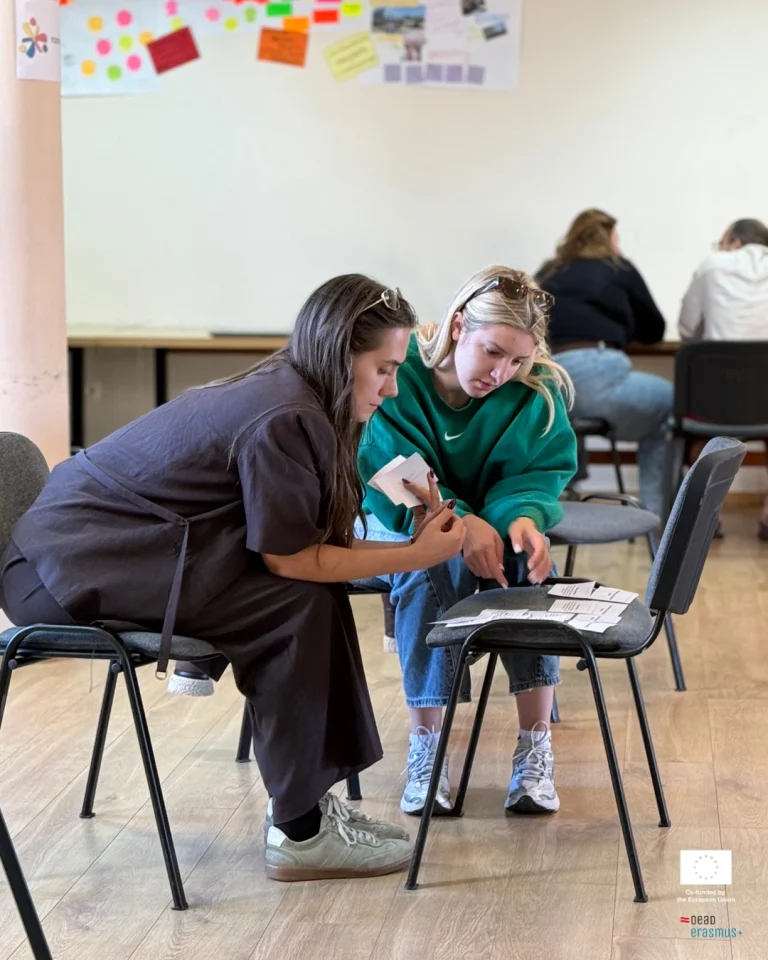
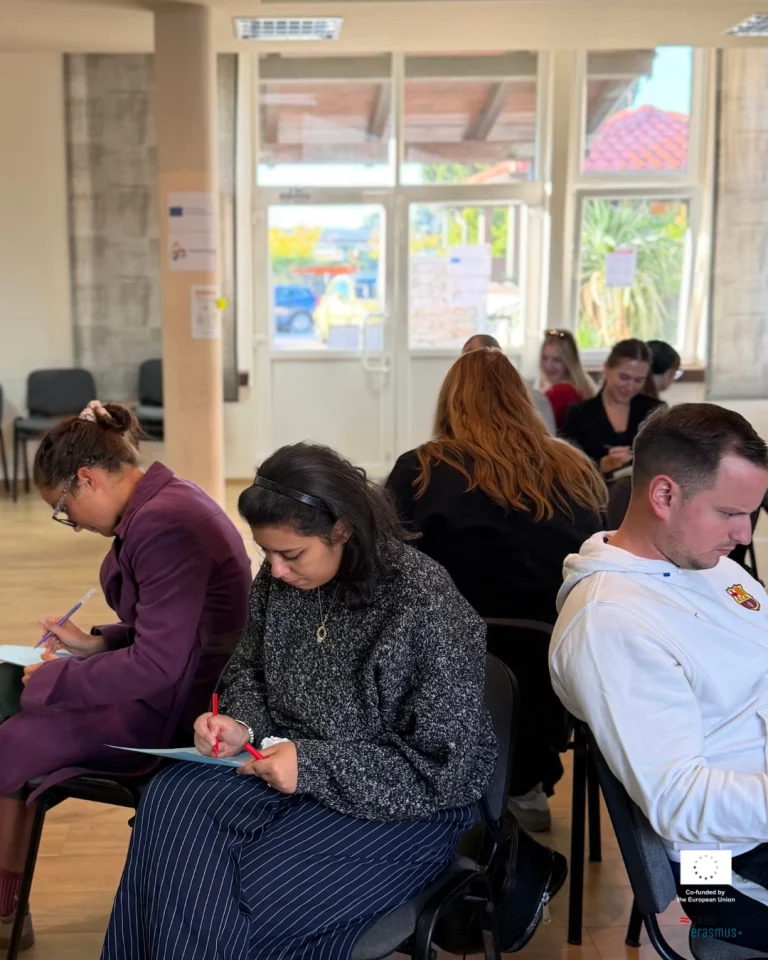
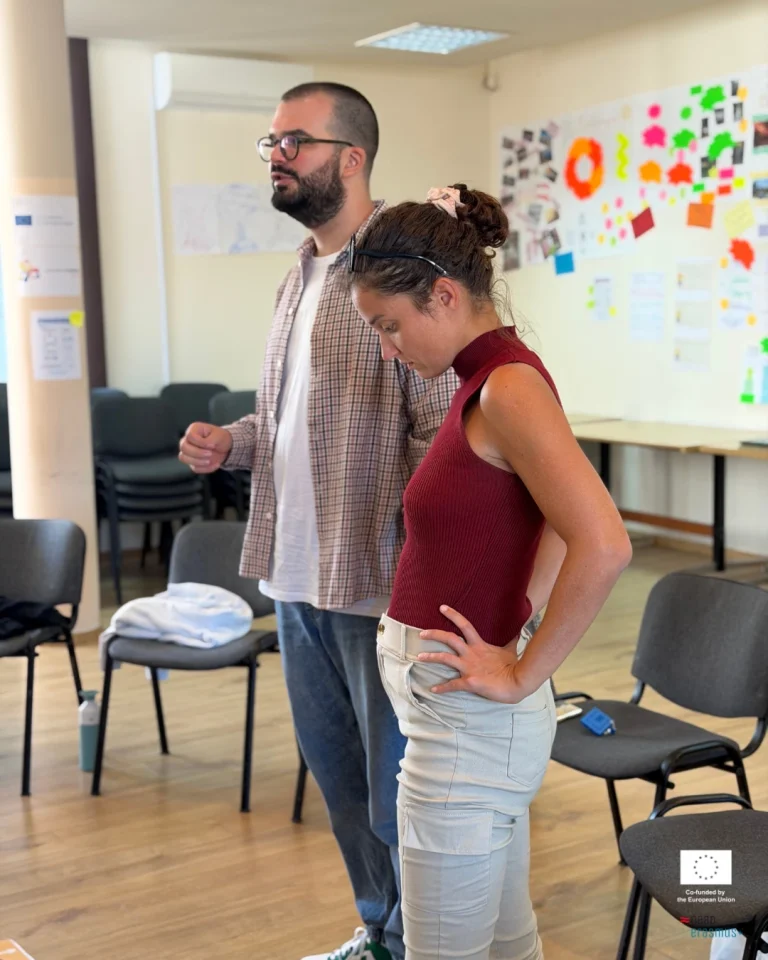
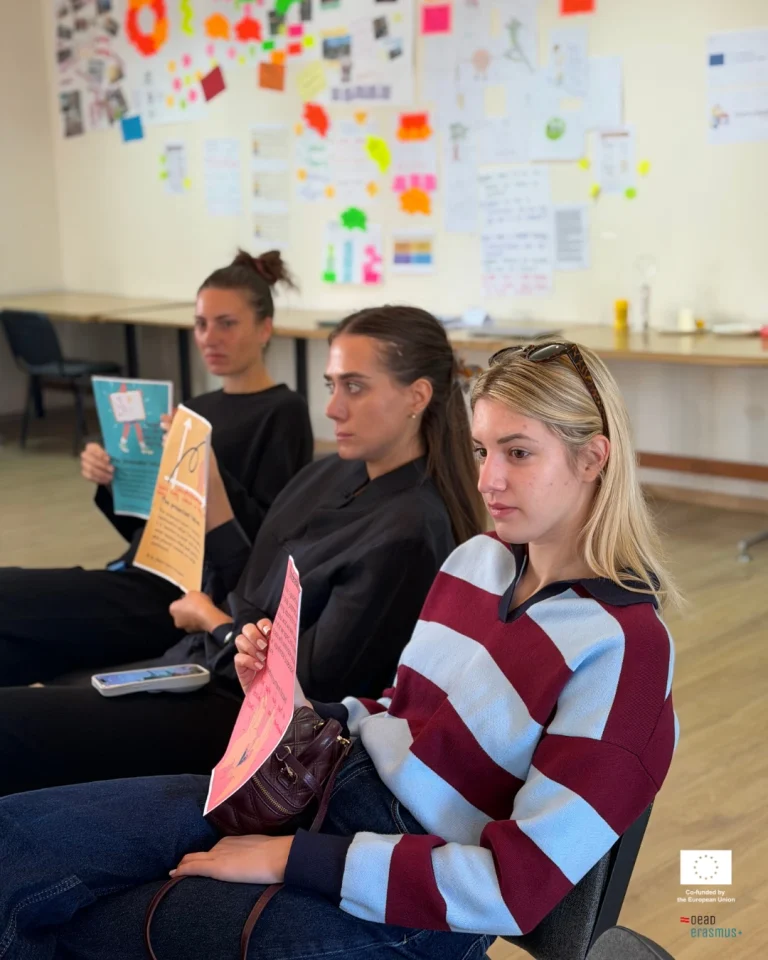
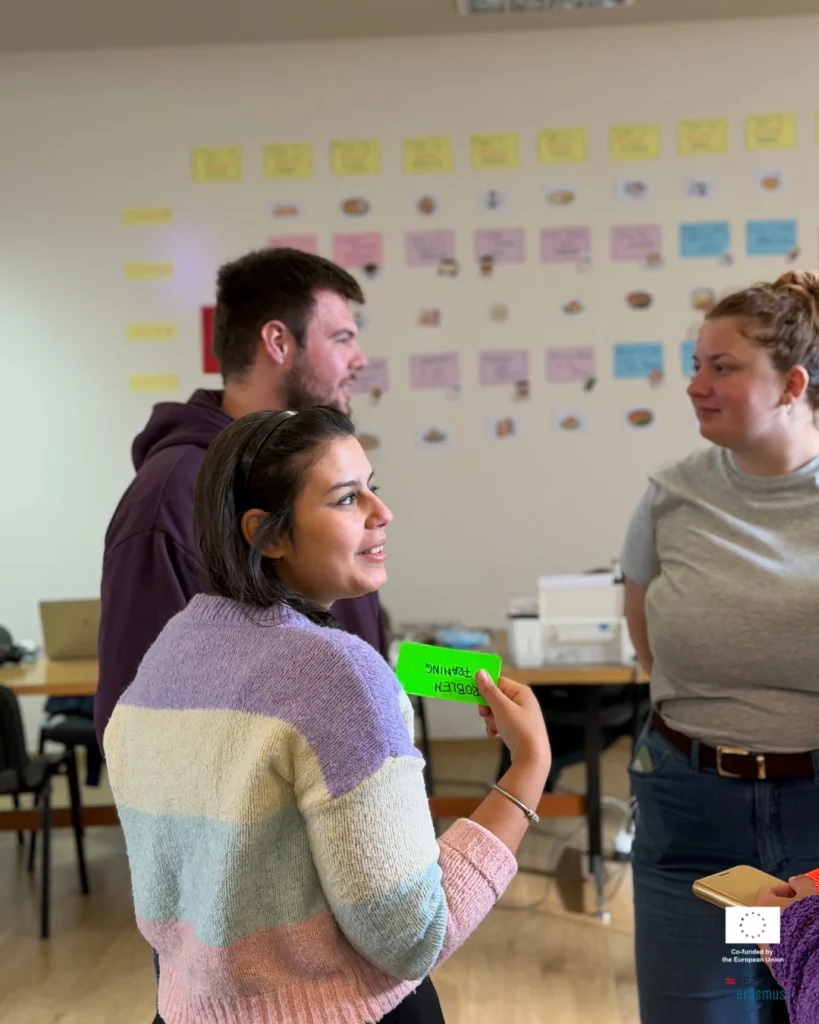
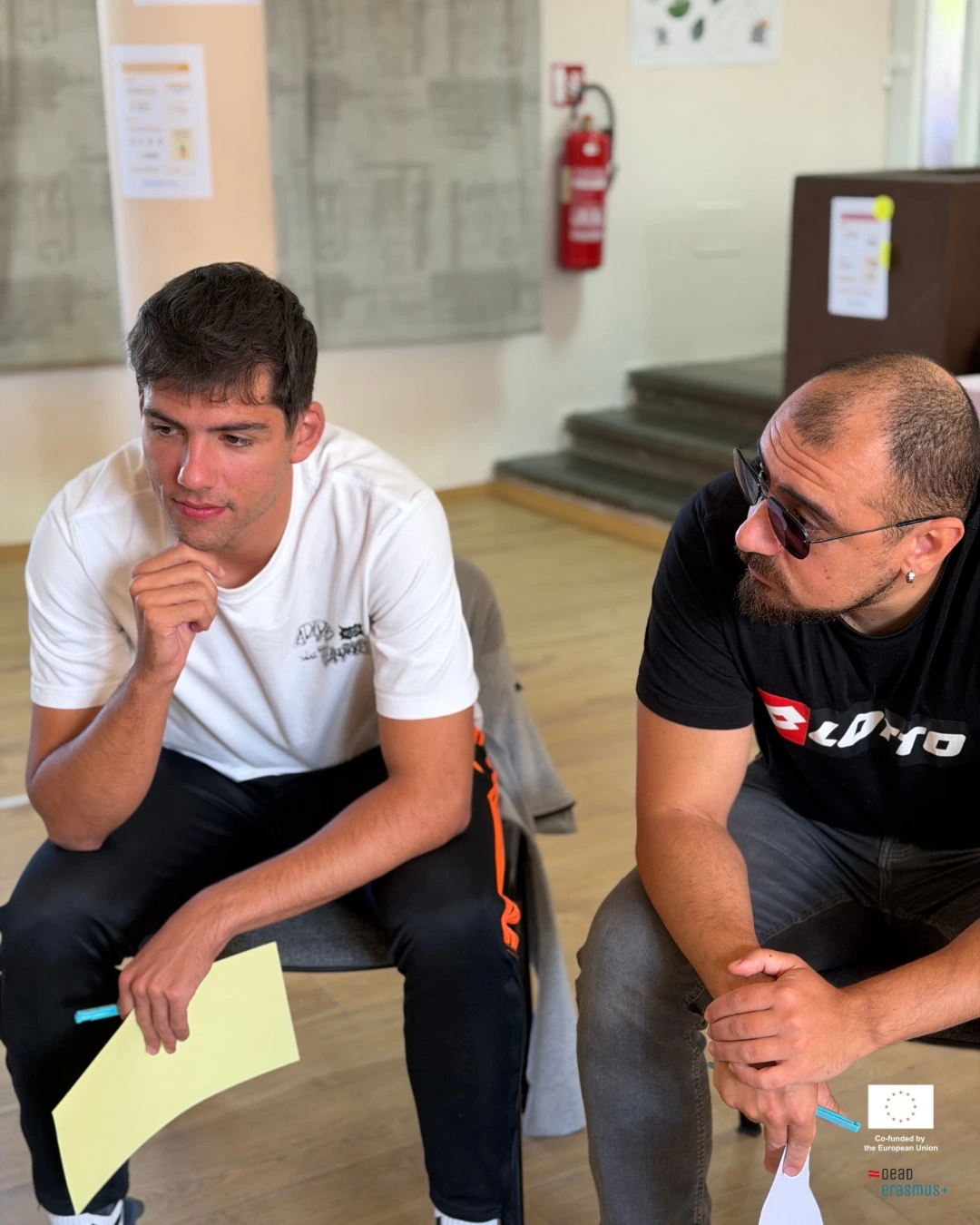
Through its Civic Forums, ACTIVATE creates participatory spaces where young people explore what democracy, civic responsibility and youth participation mean in their everyday lives.
The forums encourage participants to look critically at their local environments, identify challenges and reflect on how they can contribute to positive changes.
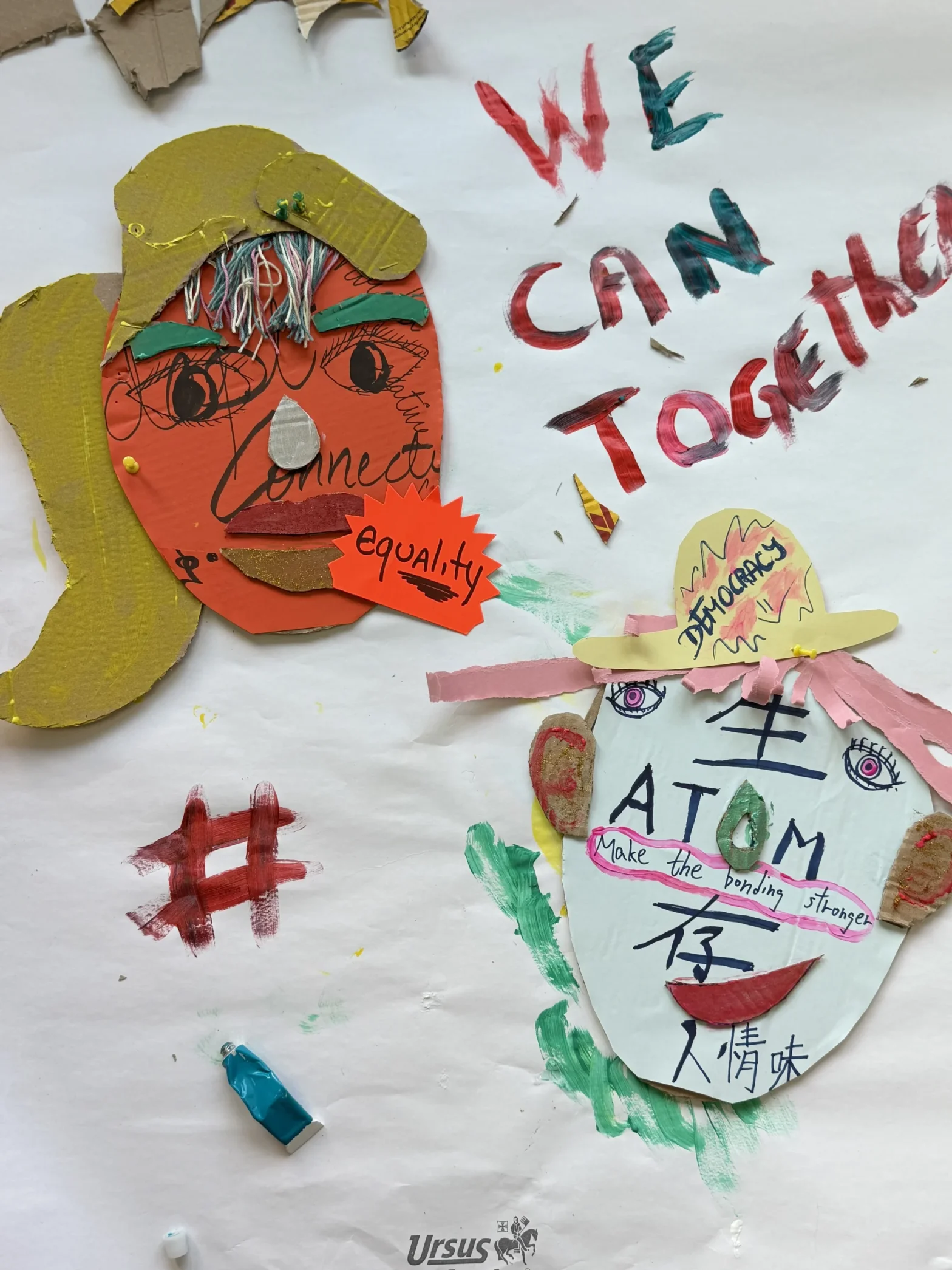
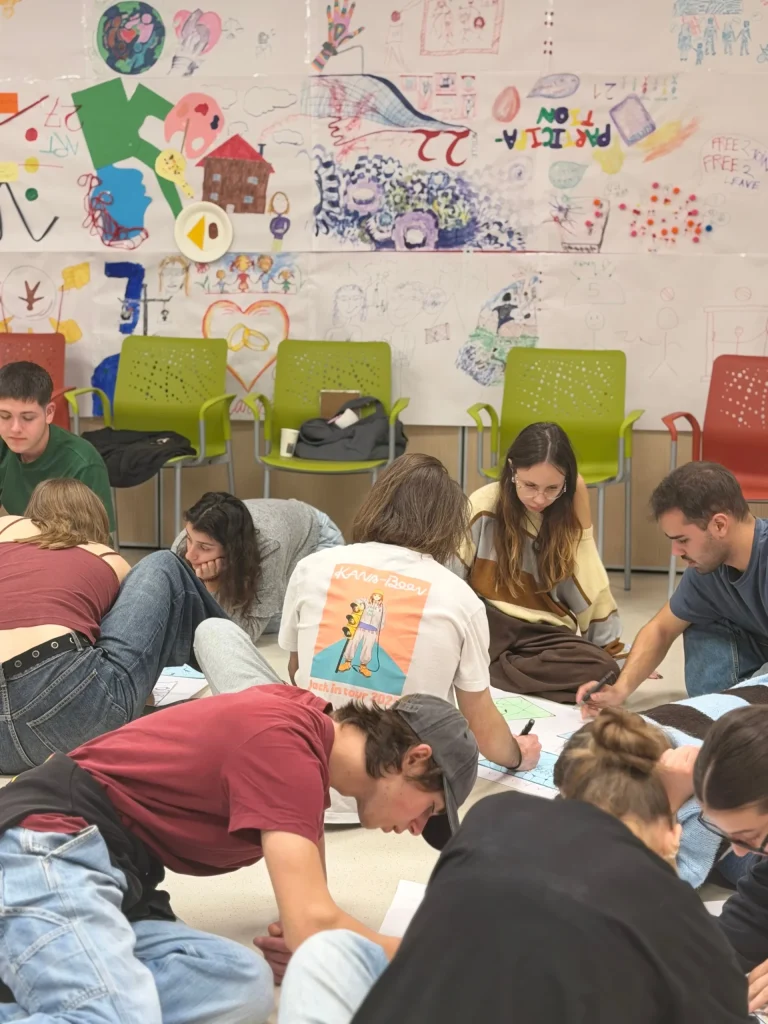
Artistic and creative approaches play an important role in this process. Through visual expression, storytelling and collaborative creation, participants can explore concerns that are sometimes difficult to communicate through conventional discussion.
Art allows young people to make the invisible visible: feelings of exclusion, social inequalities, barriers to participation and aspirations for their communities.
These reflections can then become a starting point for concrete suggestions, collective dialogue and civic initiatives.
From Local Experiences to a Shared European Civic Vision
One of the most important messages emerging from current youth movements is that participation often begins locally.
Young people experience democracy through their schools, universities, neighbourhoods, digital spaces and everyday interactions with institutions.
ACTIVATE recognises the importance of connecting these experiences to wider democratic processes.
Its Youth Civic Vision Assembly, planned for Berlin in July 2027, represents an opportunity to bring young people’s perspectives together, encourage collective reflection and strengthen a shared vision of meaningful civic engagement.
The objective is not simply to discuss youth participation, but to encourage young people to recognise themselves as active contributors to democratic life.
The experiences of Serbian students remind us that young people’s voices can become powerful forces for civic mobilisation. They also demonstrate that participation carries responsibilities: respecting democratic principles, protecting pluralism, engaging in dialogue and ensuring that demands for change lead to accountable institutions.
Not every young person will participate through demonstrations or political movements, nor should they have to. Civic engagement can take many forms: volunteering, community organising, artistic expression, informed discussion, digital activism, participation in consultations and everyday acts of solidarity.
What matters is that these opportunities are accessible, inclusive and capable of producing meaningful change.
Projects such as ACTIVATE contribute to this process by connecting knowledge with action, creativity with critical reflection, and individual experiences with collective responsibility.
Young people are not only the future of democracy. They are already shaping its present.
The responsibility of youth organisations, educational institutions and policymakers is to ensure that their voices are not only heard, but respected, supported and meaningfully included in the decisions that shape their lives.
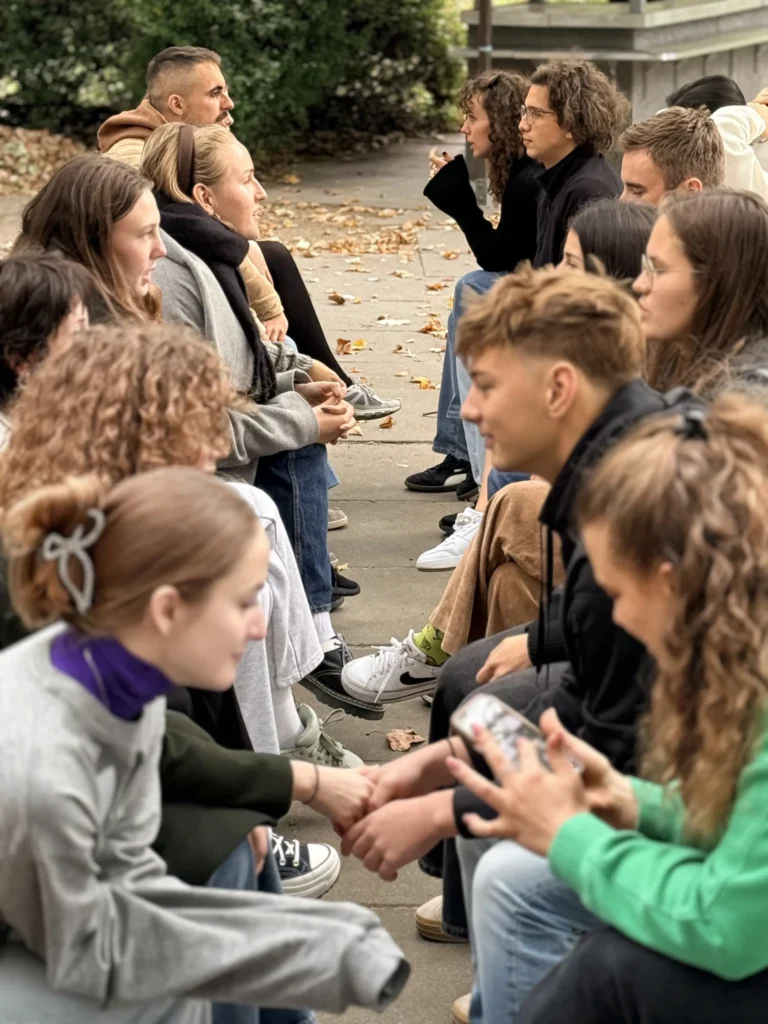
The experiences of Serbian students remind us that young people’s voices can become powerful forces for civic mobilisation. They also demonstrate that participation carries responsibilities: respecting democratic principles, protecting pluralism, engaging in dialogue and ensuring that demands for change lead to accountable institutions.
Not every young person will participate through demonstrations or political movements, nor should they have to. Civic engagement can take many forms: volunteering, community organising, artistic expression, informed discussion, digital activism, participation in consultations and everyday acts of solidarity.
What matters is that these opportunities are accessible, inclusive and capable of producing meaningful change.
Projects such as ACTIVATE contribute to this process by connecting knowledge with action, creativity with critical reflection, and individual experiences with collective responsibility.
Young people are not only the future of democracy. They are already shaping its present.
The responsibility of youth organisations, educational institutions and policymakers is to ensure that their voices are not only heard, but respected, supported and meaningfully included in the decisions that shape their lives.
Literature


Co-funded by the European Union. Views and opinions expressed are however those of the author(s) only and do not necessarily reflect those of the European Union or the National Agency. Neither the European Union nor the granting authority can be held responsible for them.