
From Training to Local Action: Why Youth Workers Matter in the Circular Economy
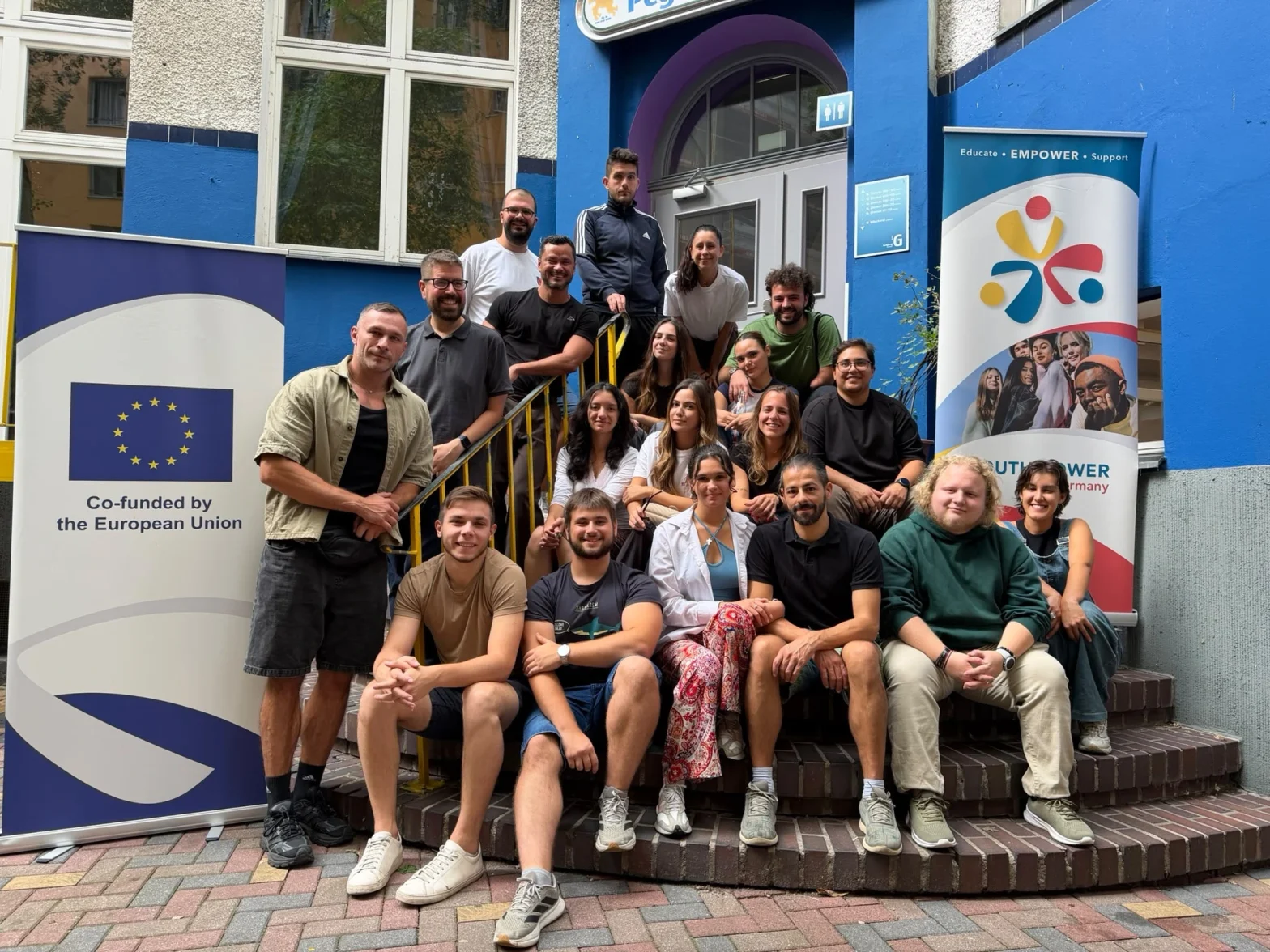
The CIRCFOOD – Circular Food Economy: Reducing Waste and Carbon Footprint project aims to strengthen knowledge and practical action around sustainability, circular economy and food waste prevention. As part of the project, the CIRCFOOD Transnational Training for Youth Workers brought together participants in Berlin for an intensive learning experience focused on connecting these topics with youth work and non-formal education.
From Training to Local Action: Why Youth Workers Matter in the Circular Economy
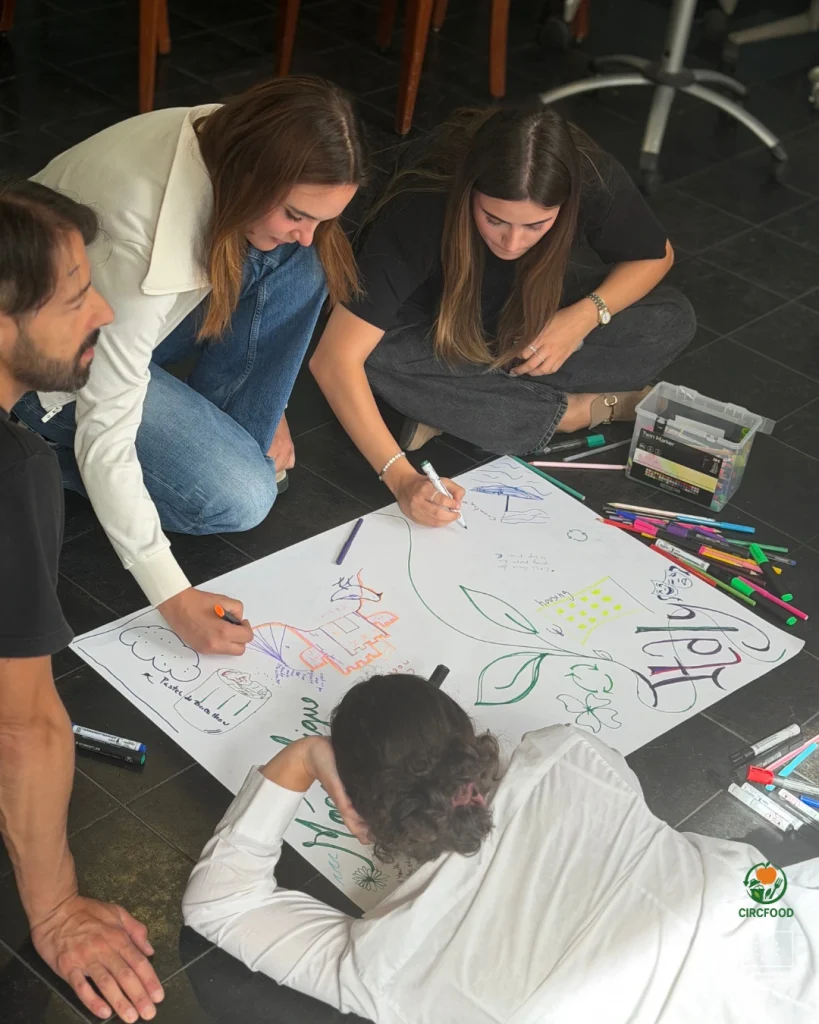
Throughout the training, youth workers explored themes such as sustainable lifestyles, circular economy principles, the environmental impact of food waste, sustainable consumption and production, zero-waste approaches, cross-sector collaboration and community-based solutions. The programme combined theoretical input with reflection, peer exchange, practical workshops and the design of educational activities that could later be implemented with young people.
One of the most important aspects of this process was the attention given to local realities. Sustainable solutions cannot simply be copied from one community to another. The training encouraged participants to analyse how food is consumed and wasted in their own countries and communities, identify existing local initiatives, and reflect on the habits, systems and challenges that shape everyday behaviour.
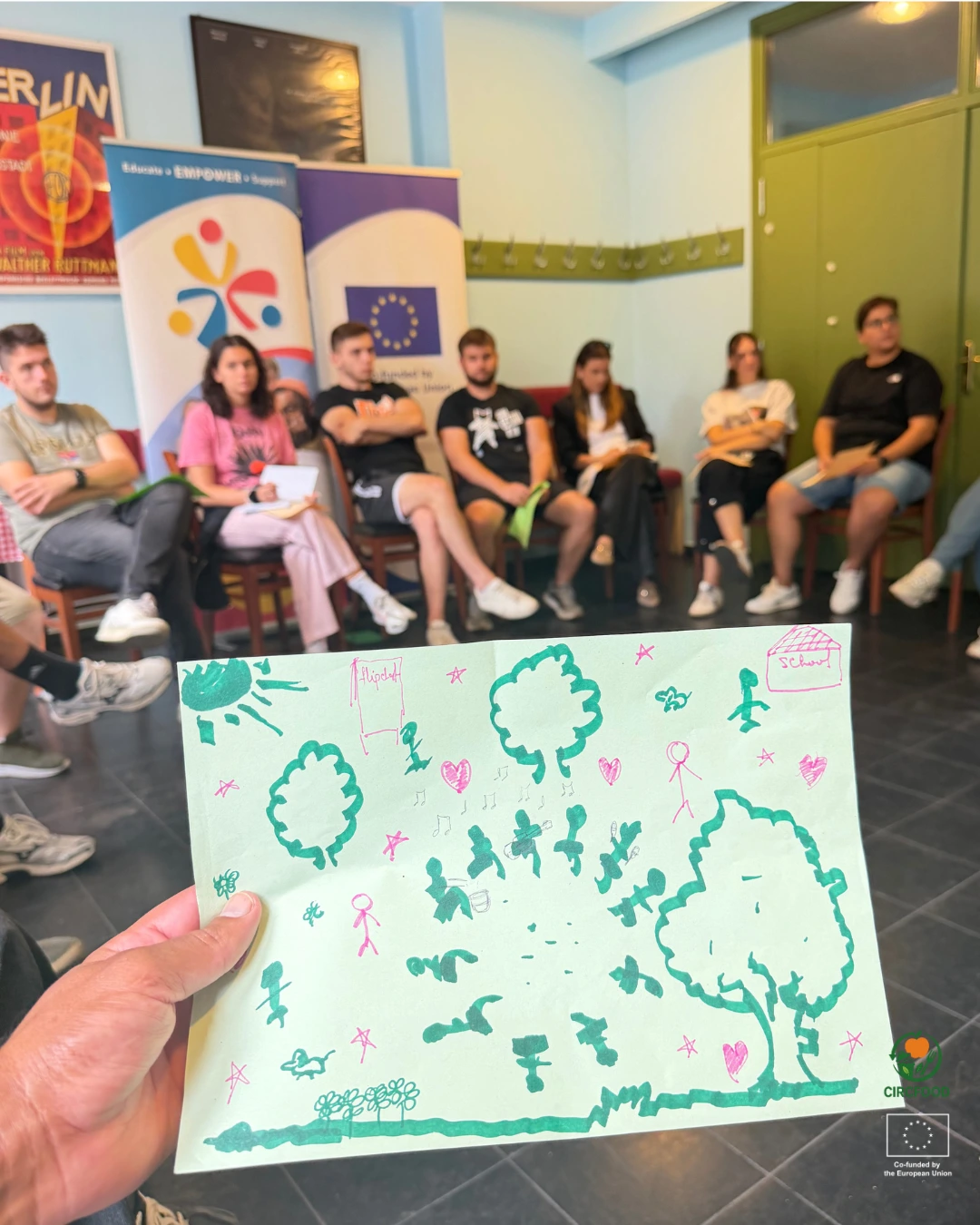
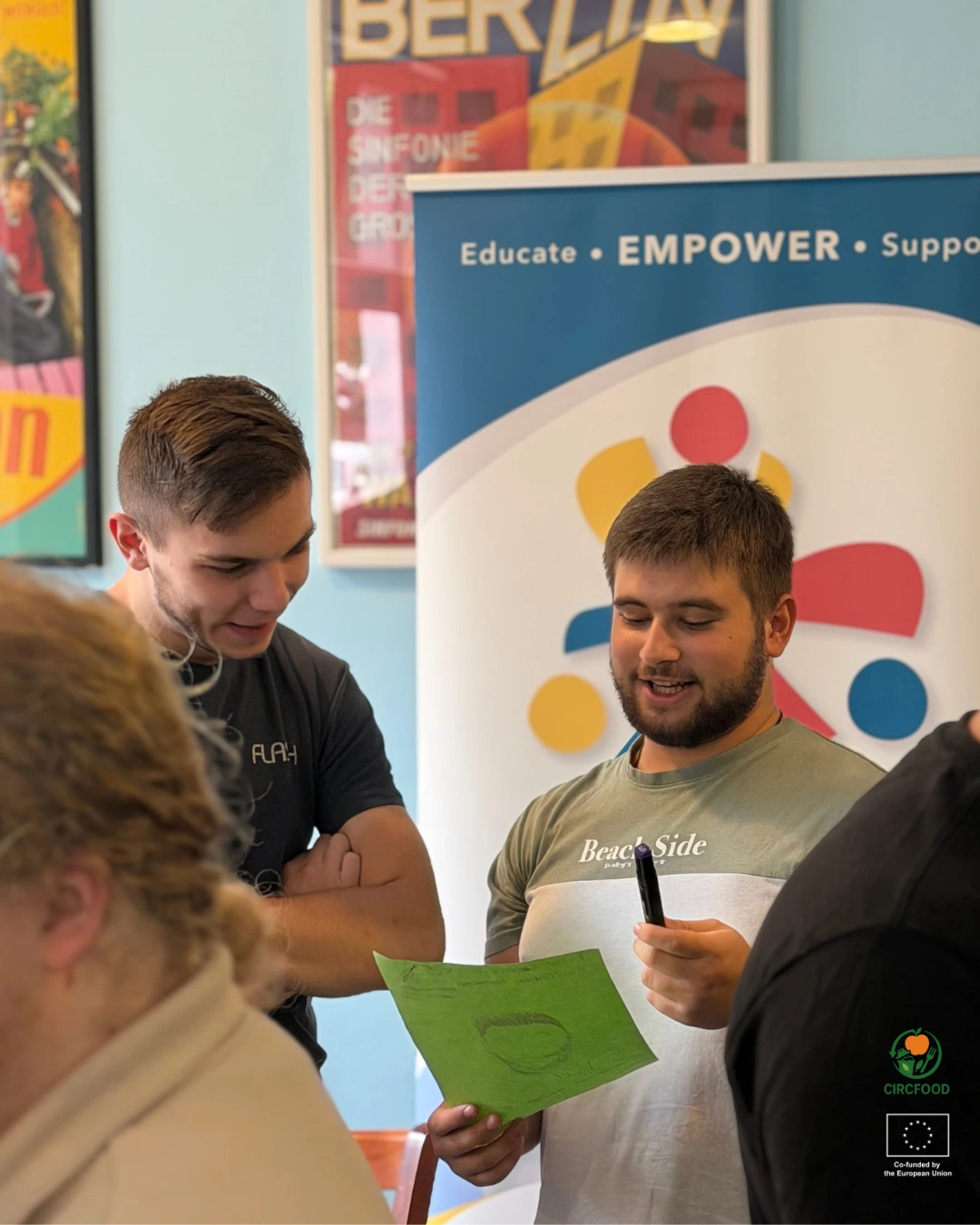
This is why training youth workers is so important. Youth workers are close to young people and local communities, and they can transform broad ideas such as “circular economy” or “food waste reduction” into practical, understandable and relevant actions. By strengthening their facilitation skills and providing adaptable non-formal education tools, the training supports them in creating learning experiences that encourage young people to question their habits, recognise local problems and imagine realistic alternatives.
The training therefore represents more than the transfer of knowledge. It is about building the capacity to turn learning into local action. When youth workers understand both sustainability concepts and the realities of the communities where they work, they are better equipped to promote meaningful changes that can contribute to reducing food waste, encouraging responsible consumption and making circular economy practices part of everyday life.
About the CIRCFOOD Project
CIRCFOOD – Circular Food Economy: Reducing Waste and Carbon Footprint is an Erasmus+ Cooperation Partnership in Youth running from September 2025 to June 2027. The project brings together organisations from Portugal, Serbia, Estonia, Germany and Croatia to empower young people and youth workers to better understand food waste, sustainable consumption and circular economy principles.
Through research, non-formal education, practical toolkits, digital learning resources and capacity-building activities, CIRCFOOD aims to transform awareness into concrete action.
A central focus is strengthening the role of youth workers so they can support young people in questioning everyday consumption habits, reducing food waste and becoming active contributors to more sustainable communities.


Funded by the European Union. Views and opinions expressed are however those of the author(s) only and do not necessarily reflect those of the European Union or the European Education and Culture Executive Agency (EACEA). Neither the European Union nor EACEA can be held responsible for them.