CIRCFOOD – Circular Food Economy: Reducing waste and carbon footprint

CIRCFOOD – Circular Food Economy: Reducing waste and carbon footprint

Project Overview

Project: Circular Food Economy: Reducing Waste and Carbon Footprint (CIRCFOOD)

Duration: 01 September 2025 – 30 June 2027

Reference Nr. KA220-YOU-75FF526D

Grant Amount: 250,000 €

Funding Programme: Erasmus+ Programme – Key Action 2: Cooperation Partnerships in Youth

What's About

The Circular Food Economy: Reducing Waste and Carbon Footprint (CIRCFOOD) project is a European cooperation initiative aimed at empowering young people and youth workers to better understand and address the environmental challenges related to food waste and unsustainable consumption patterns.


Food waste represents a major environmental, economic, and social issue across Europe. Large quantities of food are lost or discarded throughout the food supply chain, contributing significantly to greenhouse gas emissions and inefficient use of natural resources. At the same time, many young people are increasingly concerned about climate change and sustainability but often lack accessible tools and knowledge to translate this awareness into concrete actions. Through non-formal education, research, and digital learning tools, the project promotes sustainable practices and encourages young people to become active contributors to a more circular and responsible food system.


By bringing together organisations from several European countries, the project fosters collaboration, knowledge exchange, and innovative educational approaches that support the transition toward a greener and more sustainable Europe. The consortium combines expertise in youth work, education, sustainability, and digital learning in order to create resources that are both practical and accessible for youth organisations across Europe.


In addition to developing educational resources, the project aims to strengthen the role of youth work in addressing environmental challenges. Youth workers play a crucial role in shaping young people’s attitudes, behaviours, and civic engagement. By equipping youth workers with innovative tools and methodologies, the project supports the integration of sustainability topics into youth work activities and encourages young people to reflect on their everyday choices related to food consumption and waste.


The project also seeks to inspire behavioural change by encouraging young people to see themselves as active participants in building more sustainable communities. Through collaborative learning, digital tools, and international cooperation, participants will explore how circular economy principles can be applied to everyday life and how small changes in food consumption habits can contribute to reducing environmental impact at local and European levels.


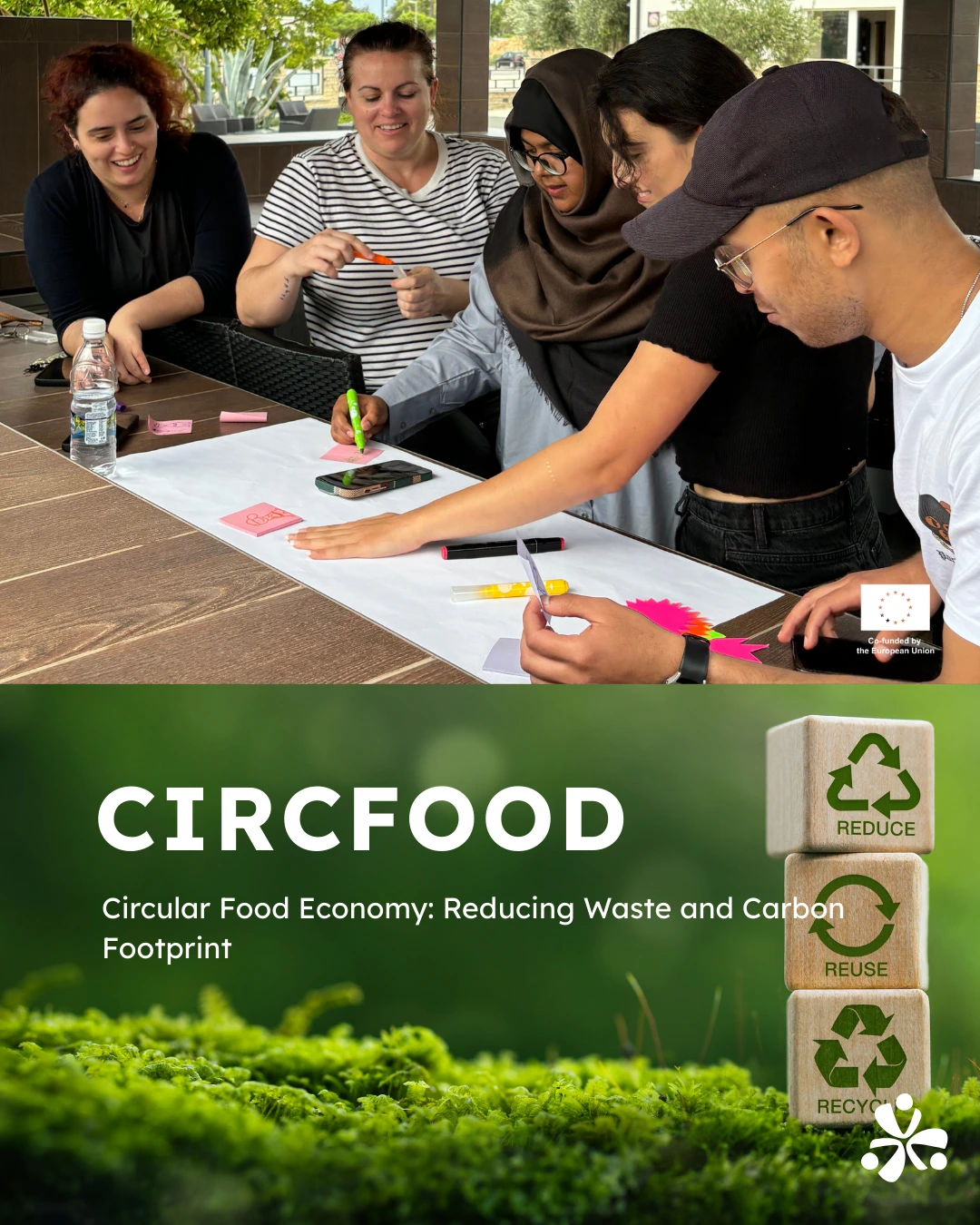
The CIRCFOOD project aims to:

    • Raise awareness among young people about the environmental and social impact of food waste.

    • Strengthen the capacity of youth workers to educate young people on sustainability and circular economy principles.

    • Develop innovative educational resources focused on circular food systems and sustainable consumption.

    • Promote sustainable behaviours that contribute to reducing food waste and carbon footprint.

    • Create digital learning tools and platforms accessible to youth organisations across Europe.

    • Encourage youth participation in sustainability initiatives at local and European levels.


The Objectives

Project Activities

The project is structured around several key activities:

  • Research and Analysis

Partners will conduct research on young people’s attitudes toward food waste, sustainability, and circular economy practices across participating countries. The findings will help identify knowledge gaps and opportunities for educational intervention.

  • Development of Educational Materials

Based on the research results, the consortium will create educational resources and a toolkit designed to support youth workers in implementing sustainability-focused learning activities.

  • Digital Learning Platform

An interactive online platform will be developed to host training materials, learning modules, and digital tools that allow young people and youth workers to explore circular food economy concepts.

  • Capacity Building Activities

Training sessions and workshops will be organised for youth workers and young people to develop practical skills related to sustainable food systems and responsible consumption.

  • Dissemination and Awareness Campaigns

The project will promote its results through online campaigns, events, and communication activities aimed at raising awareness and engaging a wider audience in sustainable practices.

Expected Results and Impact

The CIRCFOOD project will produce several important results:

  • A comparative research report on youth perceptions of food waste and sustainability.

  • An educational toolkit for youth workers on circular food economy.

  • A digital learning platform providing open educational resources.

  • Interactive learning tools to support sustainability education.

  • Increased awareness among young people about sustainable food practices.

  • Strengthened cooperation between youth organisations across Europe.


Ultimately, the project aims to empower young people to become active agents of change in promoting sustainable food systems and reducing environmental impact.
Project Partners


The project brings together organisations with expertise in youth work, sustainability, and education from across Europe:

  • Associação Juvenil de Peniche – Portugal (Coordinator)

  • Poenta – Serbia

  • Learning Library OÜ – Estonia

  • Youth Power Germany e.V. – Germany

  • DOMAS – Croatia


Through this international collaboration, the consortium combines diverse experiences and perspectives to address the challenge of food waste from multiple angles.

Funded by the European Union. Views and opinions expressed are however those of the author(s) only and do not necessarily reflect those of the European Union or the European Education and Culture Executive Agency (EACEA). Neither the European Union nor EACEA can be held responsible for them.
Share this post

Facebook
Twitter
LinkedIn

ACTIVATE – Active Citizens for a Stronger Europe

ACTIVATE – Active Citizens for a Stronger Europe

Project Overview

Project: Active Citizens for a Stronger Europe (ACTIVATE)
Duration: 01.01.2026 – 31.12.2027
Reference Nr.: 101253831
Grant Amount: €366,205 EUR
Funding Programme: Citizens, Equality, Rights and Values Programme (CERV) – Call CERV-2025-CITIZENS-CIV

What's About

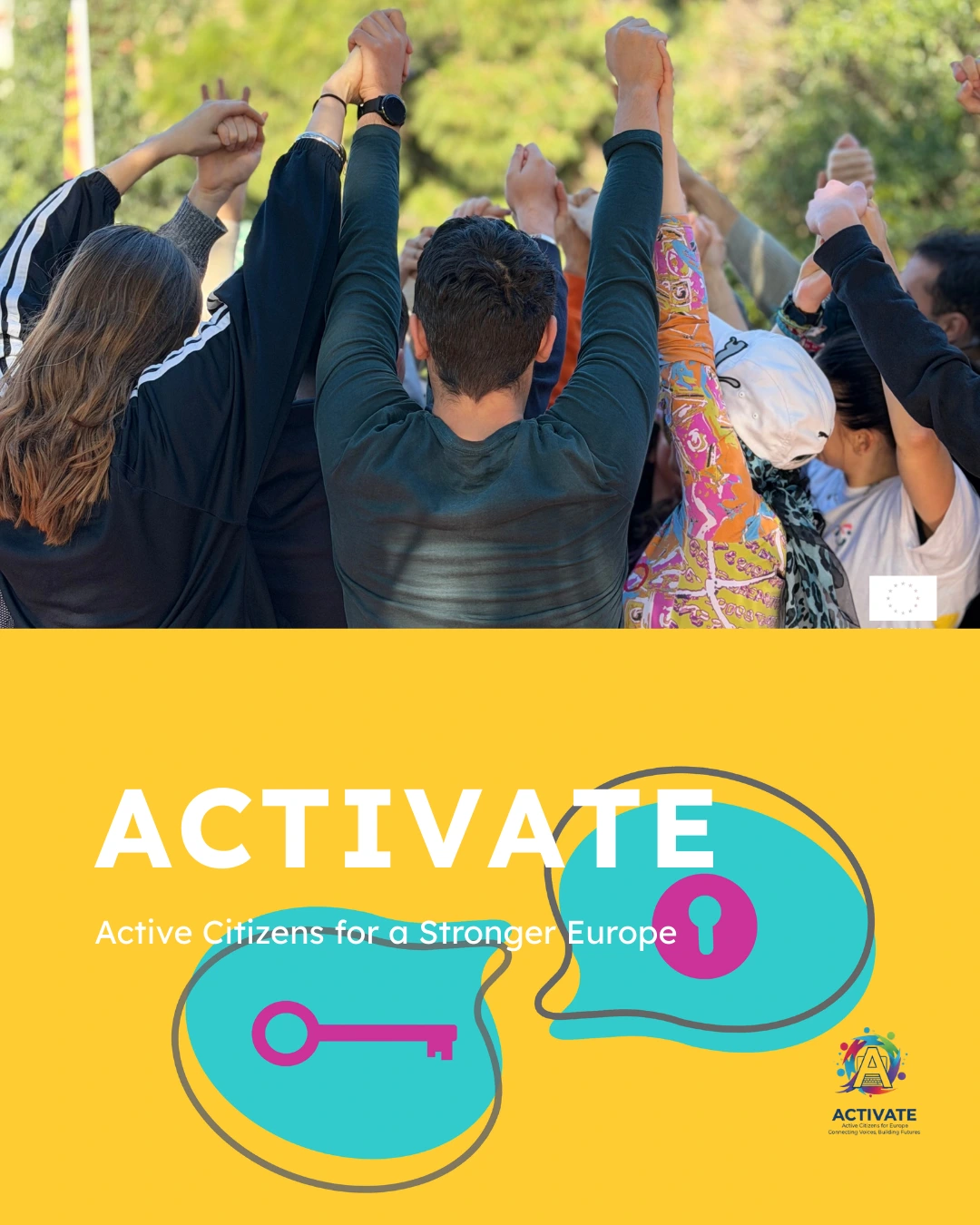
ACTIVATE – Active Citizens for a Stronger Europe is a European cooperation project that aims to strengthen youth participation in democratic life and foster stronger connections between young citizens and democratic institutions across Europe.


The project engages young people aged 18–27, with a particular focus on those from marginalized or underrepresented backgrounds who often face barriers to civic and political participation. ACTIVATE responds to key challenges affecting democratic engagement today, including declining voter turnout among youth, limited opportunities for meaningful participation, and the growing influence of misinformation in digital spaces.


Through a series of participatory activities such as civic participation labs, media literacy workshops, storytelling activities, and creative civic forums, the project supports young people in developing civic competences, political literacy, and digital resilience. Participants explore democratic values, strengthen critical thinking skills, and gain practical tools to engage constructively in democratic processes and public dialogue.


ACTIVATE also promotes cross-border exchange and collaboration, enabling young people from different countries and backgrounds to share experiences and reflect on common democratic challenges in Europe.


The project culminates in the Youth Civic Vision Assembly, where participants simulate European-level decision-making and collaboratively develop the ACTIVATE Civic Manifesto, a youth-led document presenting recommendations for strengthening democratic participation, inclusion, and active citizenship across Europe.


Why ACTIVATE Matters

Across Europe, democratic participation among young people is uneven and often declining. Many young citizens feel disconnected from political institutions and believe that their voices are not sufficiently represented in decision-making processes. At the same time, the digital environment has made it easier for misinformation to spread, making it more difficult for young people to navigate political information and engage confidently in public debates.


ACTIVATE responds to these challenges by empowering young people with the knowledge, skills, and opportunities needed to participate actively in democratic life. By combining civic education, digital literacy, and creative participation, the project helps young people understand democratic processes, develop critical thinking skills, and express their perspectives on issues that affect their communities and the future of Europe.


The project also creates opportunities for cross-border dialogue and collaboration, allowing young people from different countries and backgrounds to exchange experiences, learn from one another, and work together on common democratic challenges.

The ACTIVATE project aims to strengthen democratic participation among young people and empower them to play an active role in shaping the future of Europe. The project focuses on three main objectives:


  • Civic Empowerment and Participation

ACTIVATE equips young people with the knowledge, tools, and confidence needed to engage in democratic processes and civic life. Through participatory activities and educational workshops, participants learn about democratic institutions, electoral processes, and ways to actively contribute to public debates and decision-making.


  • Digital Resilience and Media Literacy

In an increasingly digital political environment, ACTIVATE supports young people in developing critical thinking and media literacy skills. Participants learn how to recognize misinformation, evaluate information sources, and participate responsibly in online democratic discussions.


  • Inclusive Youth Advocacy

The project amplifies the voices of marginalized and underrepresented young people, ensuring that their perspectives are included in democratic dialogue. Through cross-border exchanges and collaborative activities, ACTIVATE creates opportunities for young people from diverse backgrounds to share experiences, express their ideas, and contribute to policy discussions at local, national, and European levels.


The Objectives

Project RESULT and IMPACT

ACTIVATE aims to create both immediate learning opportunities for participants and long-term contributions to youth participation in Europe.

Through the project, young people will take part in a range of participatory activities, including civic participation labs, media literacy workshops, storytelling sessions, and creative civic forums. These activities will provide practical tools for engaging with democratic processes and encourage youth-led dialogue on civic issues.


One of the key outputs of the project will be the ACTIVATE Civic Manifesto, a youth-authored document developed during the international Youth Civic Vision Assembly. The manifesto will present recommendations from young participants on how democratic participation, inclusion, and civic engagement can be strengthened across Europe.


The project will also generate educational materials, toolkits, and creative outputs produced by young participants, helping to share their experiences and perspectives with a wider audience.


By the end of the project, ACTIVATE aims to:

  • strengthen civic competences and political literacy among young people

  • increase youth awareness of democratic processes and institutions

  • promote digital resilience and critical media literacy

  • amplify the voices of young people in democratic dialogue at local, national, and European levels


Through these outcomes, ACTIVATE contributes to building a more engaged, informed, and active generation of European citizens.

Partners

ACTIVATE is implemented by a consortium of civil society organisations, training institutions, and international partners working together to strengthen youth participation in democratic life across Europe.


Project partners include:

  • CIFAL Málaga (Spain) – Project Coordinator

  • CIEDES – Centro de Investigaciones Estratégicas y de Desarrollo Económico y Social de Málaga (Spain)

  • Public International Business College Mitrovica – IBCM (Kosovo)

  • Centro per lo Sviluppo Creativo Danilo Dolci (Italy)

  • Nemzeti Ifjúsági Tanács – National Youth Council (Hungary)

  • Bakcsó Nature and Cultural Association (Hungary)

  • Antwerp International Training Center on Corporate Opportunities – ITCCO (Belgium)

  • Youth Power Germany e.V. (Germany)

  • UNITAR – United Nations Institute for Training and Research (Switzerland)


Funded by the European Union. Views and opinions expressed are however those of the author(s) only and do not necessarily reflect those of the European Union or the European Education and Culture Executive Agency (EACEA). Neither the European Union nor EACEA can be held responsible for them.
Share this post

Facebook
Twitter
LinkedIn

SignUnity – Inter-Continental Collaboration in Sign Language Interpreter VET Education

SignUnity – Inter-Continental Collaboration in Sign Language Interpreter VET Education

Project Overview

Project: SignUnity – Inter-Continental Collaboration in Sign Language Interpreter VET Education

Duration: 1 January 2026 – 31 December 2027 (24 months)

Reference Nr. 101241690

Grant Amount: 377,448.92 EUR

Funding Programme: Erasmus+  – Capacity Building in Vocational Education and Training (CB-VET)

What's About

SignUnity – Inter-Continental Collaboration in Sign Language Interpreter VET Education – is an Erasmus+ Capacity Building project designed to strengthen vocational education and training (VET) systems for sign language interpreters across Europe and Sub-Saharan Africa.


The project responds to a clear and urgent challenge: the shortage of qualified sign language interpreters and limited access to structured, quality-assured training programmes. These gaps directly affect access to education, employment, public services, and social participation for Deaf and hard-of-hearing communities.


What We Deliver

The project will produce concrete, practice-oriented results, including:

  • A specialised VET curriculum for sign language interpreters, aligned with professional and labour market needs

  • A manual on ethical guidelines for sign language interpretation

  • Interactive digital learning tools to facilitate cross-continental accessibility and implementation


These outputs are co-created by higher education institutions, VET providers, Deaf associations, and local authorities to ensure relevance, applicability, and sustainability


Through structured inter-continental collaboration, SignUnity develops a standardised and labour-market-oriented curriculum aligned with VET standards, enhancing professional quality and long-term system capacity.

  • Develop a standardised curriculum for sign language interpreter VET education
  • Strengthen linguistic competences, interpreting techniques, and professional ethics
  • Improve interpreter employability and professional standards
  • Enhance accessibility and quality of interpreter training across regions
  • Foster sustainable cooperation between European and African institutions
  •  

The Objectives

Expected Impact

Over its 24-month implementation period (2026–2027), SignUnity will contribute to:

  • Stronger institutional capacity in sign language interpreter VET

  • Improved quality and harmonisation of training standards

  • Enhanced professional recognition of interpreters

  • Greater inclusion and accessibility for Deaf communities

  • Sustainable EU–Africa cooperation in vocational education

Partnership

The SignUnity consortium brings together institutions from Europe and Sub-Saharan Africa, ensuring both academic expertise and strong community representation:

  • Savez gluhih i nagluhih grada Zagreba (Croatia) – Coordinator 

  • Kua Zone Innovation College Limited (Kenya)

  • University of Education, Winneba (Ghana) 

  • Ghana National Association of the Deaf (Ghana) 

  • Youth Power Germany e.V. (Germany) 

  • Learning Library OÜ (Estonia) 

  • Debre Markos City Administration (Ethiopia) 


This multi-actor partnership ensures alignment between education providers, civil society organisations, and public authorities.

Funded by the European Union. Views and opinions expressed are however those of the author(s) only and do not necessarily reflect those of the European Union or the European Education and Culture Executive Agency (EACEA). Neither the European Union nor EACEA can be held responsible for them.

Share this post

Facebook
Twitter
LinkedIn

FUTURES- Future-proofing disadvantaged youth through tech skills and Inclusion

FUTURES- Future-proofing disadvantaged youth through tech skills and Inclusion

Project Overview

Project: Future-proofing disadvantaged youth through tech skills and inclusion

Duration: 01 October 2025 – 30 September 2027 (24 months)

Reference Nr. 2025-1-ES02-KA220-YOU-000361210

Grant Amount: 250,000 EUR

Grant Institution: ERASMUS+

What's About

FUTURES is a 24-month Erasmus+ Cooperation Partnership that empowers young people aged 18–30 who are unemployed or have left education early.


Many young people across Europe face barriers to entering the labour market. At the same time, digital transformation is creating new opportunities in fields like Artificial Intelligence and Cybersecurity. FUTURES connects these two realities by opening access to future-oriented skills for those who need it most.


Through the project, participants will:

  • Gain practical skills in AI and Cybersecurity

  • Develop soft skills such as communication, resilience and teamwork

  • Explore entrepreneurship and social innovation

  • Receive personalised mentoring and coaching

  • Take part in gamified, challenge-based learning

  • Experience international mobility and intercultural exchange


FUTURES goes beyond traditional training. It creates a supportive learning environment where young people can rebuild confidence, discover their potential and strengthen their position in today’s digital world.


The project also develops a MOOC and a digital learning game to ensure that the impact continues beyond the project duration.


Together with partners from Spain, Sweden, Lithuania and Bulgaria, Youth Power Germany contributes its expertise in inclusion, non-formal education and youth empowerment to make FUTURES a space where young people can shape their own path.


FUTURES is about skills. Confidence. Opportunity. And a second chance.

FUTURES seeks to:

  • Strengthen the employability of early leavers and NEET youth.

  • Provide market-oriented digital skills in AI and Cybersecurity.

  • Develop entrepreneurial mindsets and social entrepreneurship competences.

  • Foster soft skills such as communication, resilience, leadership and critical thinking.

  • Promote active citizenship and social inclusion.

  • Create a replicable best-practice model for youth workers and educators.


The Objectives

What Will Be Developed?

The partnership will design and implement:

  • A 90-hour training curriculum combining Deep-Tech, entrepreneurship and soft skills.

  • A MOOC (Massive Open Online Course) in English to ensure sustainability and long-term access.

  • A gamified learning tool integrating AI, cybersecurity and entrepreneurial challenges.

  • A personalised profiling methodology to adapt training to each participant.

  • A best-practice guide for youth workers and educators.

  • National InfoDays and company visits.

  • An international mobility week in Spain.

Expected Impact

At individual level:

  • Increased digital competence in AI and Cybersecurity

  • Improved soft skills and confidence

  • Higher employability

  • Enhanced entrepreneurial capacity

  • International experience and intercultural learning

At organisational level:

  • Stronger cross-sector cooperation

  • Innovative training methodologies

  • Scalable digital learning tools

  • New models for personalised youth support

At European level:

  • Contribution to reducing early school leaving

  • Strengthening digital readiness and resilience

  • Supporting EU priorities on youth employability and digital transformation

Partnership

FUTURES brings together six organisations from five European countries:

  • 🇪🇸 Universidad de Castilla-La Mancha (Coordinator)

  • 🇸🇪 Mälardalen University

  • 🇩🇪 Youth Power Germany e.V.

  • 🇱🇹 Vilnius Gediminas Technical University

  • 🇪🇸 KlemKa CoLAB

  • 🇧🇬 PNEVMA LLC

The partnership combines higher education institutions, NGOs, a social enterprise and an SME, ensuring strong expertise in technology, youth work, social inclusion, entrepreneurship and gamification.

Funded by the European Union. Views and opinions expressed are however those of the author(s) only and do not necessarily reflect those of the European Union or the European Education and Culture Executive Agency (EACEA). Neither the European Union nor EACEA can be held responsible for them.

Share this post

Facebook
Twitter
LinkedIn

DANUBE PEACE – Learning Action on Promoting Peace Through Danube Cultural Exchange 

DANUBE PEACE – Learning Action on Promoting Peace Through Danube Cultural Exchange 

Project Overview

Project: DANUBE PEACE – Learning Action on Promoting Peace Through Danube Cultural Exchange

Duration: 01.11.2025  – 31.10.2027

Reference Nr. 2025-1-DE02-KA220-ADU-000361155

Grant Amount: 250.000,00 €

Grant Institution: Nationale Agentur Bildung für Europa beim Bundesinstitut für Berufsbildung

What's About

DANUBE PEACE is a new Erasmus+ project (KA220-ADU) coordinated by Youth Power Germany e.V. in cooperation with partners from Germany, Croatia, Czechia, Bosnia and Herzegovina, and Ukraine. The project runs from 1 November 2025 to 31 October 2027, with a total budget of €250,000.


Inspired by the rich cultural diversity of the Danube region and the challenges it faces today, the project combines peace education, cultural exchange, and intergenerational learning to strengthen resilience, solidarity, and inclusion among adult learners.


What is DANUBE PEACE?


The Danube region—historically a space of exchange, migration, and cultural crossings—offers strong potential for developing sustainable peace and dialogue. DANUBE PEACE empowers educators, cultural actors, and adult learners through peace education rooted in shared heritage and European values.


Through innovative materials, digital tools, and cross-border cooperation, the project contributes to:

  • strengthening intergenerational learning and inclusion,
  • supporting individuals displaced by the war in Ukraine,
  • developing accessible tools for peace education,
  • building a long-term cross-border network for peace and cultural collaboration.

The project aims to make peace education accessible, practical, and relevant. Its core objectives are to:


  • develop innovative, inclusive, and intergenerational peace education materials for adult learning,
  • strengthen the skills of adult and community educators in the Danube region,
  • enhance cooperation between EU partners and Ukrainian organisations,
  • promote European values, democratic participation, and social cohesion,
  • establish the Danube Peace Network as a sustainable platform for continued collaboration.

The Objectives

Activities

The project is structured into five key work packages:


  1. Mapping Opportunities for Peace Education (WP2)

Researching current practices and opportunities for peace education across the Danube region and producing a comprehensive report and interactive digital map.

  1. Animated Explainer Videos (WP3)

Producing 10 short animated educational videos addressing peace, resilience, cultural diversity, and EU values.

  1. DANUBE PEACE Open Educational Resources (WP4)

Creating a curriculum of 4–6 modular OERs for educators, including guidelines, activities, tools, and case studies.

  1. DANUBE PEACE Network & Training (WP5)

Establishing five local networks, hosting a 5-day international training in Berlin for 30 participants, and delivering local trainings for at least 150 learners.

  1. Sustainability & Digital Hub

Creating an online community space and organising an international sustainability conference to ensure long-term collaboration beyond the project’s duration.

Target Groups


The project engages:

  • adult learners and intergenerational groups,
  • trainers and educators in formal and non-formal education,
  • cultural and community actors,
  • individuals displaced by the war in Ukraine,
  • organisations active in culture, inclusion, and civic engagement.

Expected Results

By the end of the project, the following results will be achieved:


  • a comprehensive mapping of peace education practices in the region,
  • 10 animated educational videos,
  • 10 practical and accessible Open Educational Resources,
  • the establishment of a sustainable Danube Peace Network connecting stakeholders across five countries,
  • a 5-day training mobility in Berlin, plus local training sessions for at least 150 adults,
  • a digital hub for continued exchange, collaboration, and learning.

Project Partners

  • Youth Power Germany e.V. (Coordinator – Germany)
  • Centrum Brusinka z.s. (Czechia)
  • Democratic Initiatives Incubator (Ukraine)
  • Okret / SPIN (Bosnia and Herzegovina)
  • Outside Media & Knowledge UG (Germany)
  • PANNONIA Consulting d.o.o. (Croatia)

Funded by the European Union. Views and opinions expressed are however those of the author(s) only and do not necessarily reflect those of the European Union or the European Education and Culture Executive Agency (EACEA). Neither the European Union nor EACEA can be held responsible for them.
Share this post

Facebook
Twitter
LinkedIn

Accreditation Project 2025-2026

Accreditation Project 2025-2026

Project Overview

Project: Accreditation Project 2025–2026

Duration: 01.06.2025 – 31.08.2026

Reference Nr. 2020-1-DE04-KA150-YOU-000020967

Grant Amount: 734.712,00 €

Funding Programme: Erasmus+ Programme of the European Union

What's About

The Accreditation Project 2025–2026 is part of Youth Power Germany’s ongoing commitment to providing meaningful international learning opportunities for young people and youth workers through the Erasmus+ Programme. As an accredited organisation in the field of youth, we are proud to implement a long-term strategy that allows us to plan, fund, and deliver a wide range of high-quality mobility activities year after year.


This project supports youth exchanges and professional development for youth workers, offering transformative experiences that promote non-formal learning, intercultural understanding, and personal growth. It is built on the belief that mobility is not just about traveling — it’s about connecting, discovering, and building inclusive communities.


Accredited projects like this one are grounded in the Erasmus+ Quality Standards, which ensure that all activities are inclusive, accessible, sustainable, and impactful. These standards guide how we involve participants, foster learning, and cooperate with partners across Europe and beyond. They also reinforce our dedication to continuous improvement in youth work practice.


The 2025–2026 implementation will involve hundreds of young participants and youth workers in activities that encourage solidarity, democratic participation, and European values. Whether through a week-long youth exchange or an intensive professional development course, each activity is designed to support the skills, attitudes, and knowledge young people need to thrive as active citizens in a diverse and ever-changing world.

  • Empower young people by fostering their personal and professional development through international learning experiences.

  • Promote active participation in democratic life and civic engagement among youth.

  • Strengthen youth work by offering high-quality training and capacity-building opportunities for youth workers.

  • Advance inclusion and diversity, especially for young people with fewer opportunities.

  • Encourage intercultural dialogue, solidarity, and the promotion of human rights and equal opportunities.

  • Support long-term partnerships and organisational growth within the European youth field.

The Objectives

Project RESULT

The Accreditation Project 2025–2026 empowered young people and youth workers through meaningful international learning experiences. Participants developed key personal and professional skills — from communication and collaboration to intercultural awareness and civic engagement. Youth workers enhanced their practices through international exchanges, gaining tools and methods to improve the quality of youth work. The project promoted inclusion, solidarity, and European values, reaching young people with fewer opportunities and fostering a culture of participation. It also strengthened the organisational capacity of Youth Power Germany and its partners, ensuring the long-term impact and sustainability of youth mobility efforts.

Von der Europäischen Union finanziert. Die geäußerten Ansichten und Meinungen entsprechen jedoch ausschließlich denen des Autors bzw. der Autoren und spiegeln nicht zwingend die der Europäischen Union oder der Europäischen Exekutivagentur für Bildung und Kultur (EACEA) wider. Weder die Europäische Union noch die EACEA können dafür verantwortlich gemacht werden.


Funded by the European Union. Views and opinions expressed are however those of the author(s) only and do not necessarily reflect those of the European Union or the European Education and Culture Executive Agency (EACEA). Neither the European Union nor EACEA can be held responsible for them.

Share this post

Facebook
Twitter
LinkedIn

DigiCreate – Intercultural Digital Dialogue and Networking in Cultural and Creative Industries for Young People

DigiCreate – Intercultural Digital Dialogue and Networking in Cultural and Creative Industries for Young People

Project Overview

Project: DigiCreate – Intercultural Digital Dialogue and Networking in Cultural and Creative Industries for Young People

Duration: 02.2025 – 01.2028

Reference Nr. 101193474

Grant Amount: 499,467 EUR

Donor: Erasmus+

What's About

The DigiCreate Empower project is an Erasmus+ virtual exchange initiative aimed at connecting young people from the European Union and the Western Balkans. Its primary goal is to develop participants’ digital, creative, and intercultural skills, thereby fostering collaboration in the cultural and creative industries.

Over a three-year period, the project plans to engage approximately 2,500 young creatives through various activities, including:

  • An interactive online platform and toolbox, known as the Creative Hive Open Digital Toolbox, offering innovative tools and practical resources for young professionals in the creative industries.

  • A digital marketing course designed to enhance entrepreneurial skills.

  • Three virtual exchange conferences intended to connect and inspire creatives across regions.


DigiCreate is co-funded by the European Union under the ERASMUS-EDU-2024-VIRT-EXCH program. The consortium includes partners from Germany, Bosnia and Herzegovina, Portugal, Spain, Serbia, and Montenegro. Each partner contributes expertise in areas like non-formal education, digital innovation, youth work, and higher education.


The project’s overarching aim is to provide accessible, high-quality, cross-cultural non-formal education opportunities without the need for physical mobility, thereby promoting inclusion and digital empowerment among youth.

The objectives of the DigiCreate project are to strengthen the digital, creative, and intercultural competencies of young people, particularly those from the EU and Western Balkans, to support their active participation in the cultural and creative industries.


The project seeks to foster inclusion and provide equal learning opportunities through virtual exchanges that eliminate mobility barriers. It aims to enhance youth employability by offering practical tools, entrepreneurial training, and exposure to international collaboration. In doing so, it promotes intercultural dialogue, cross-border cooperation, and the development of sustainable, open-access digital resources for long-term impact.

The Objectives

Project Mission

Supporting EU Efforts by Offering Digital Exchange & Tools for Youth in the CCI Sector:


It is DigiCreate’s mission to help young people in the EU, especially young people directed to the CCI Sector, and marginalized and underrepresented groups to have access to high-quality non-formal education to learn digital skills to better succeed in the CCI sector. 

The DigiCreate project responds to all of the EU priorities mentioned and will help tackle the challenges youth face in the CCI industry through conducting virtual exchanges (including 3 Virtual Exchange Conferences), a methodological framework, an online digital toolbox and platform, and an online course.

Partners:

⇒   For more info and following the activities of the project access:

Von der Europäischen Union finanziert. Die geäußerten Ansichten und Meinungen entsprechen jedoch ausschließlich denen des Autors bzw. der Autoren und spiegeln nicht zwingend die der Europäischen Union oder der Europäischen Exekutivagentur für Bildung und Kultur (EACEA) wider. Weder die Europäische Union noch die EACEA können dafür verantwortlich gemacht werden.


Funded by the European Union. Views and opinions expressed are however those of the author(s) only and do not necessarily reflect those of the European Union or the European Education and Culture Executive Agency (EACEA). Neither the European Union nor EACEA can be held responsible for them.

Share this post

Facebook
Twitter
LinkedIn

Beyond Tokenism Youth Leading Inclusion

Beyond Tokenism Youth Leading Inclusion

Project Overview

Project: Beyond Tokenism Youth Leading Inclusion

Duration: 01.03.2025 – 31.08.2026

Reference Nr. 2024-2-HR01-KA220-YOU-000288789

Grant Amount: 120.000,00 €

Donor: Erasmus+

What's About

Beyond Tokenism: Youth Leading Inclusion (BETYLI) is an innovative European project that fights tokenism and promotes genuine inclusion in youth organisations. Through digital tools, educational materials and an international network of committed organisations, we aim to transform diversity into real and meaningful participation.


We believe that inclusion is not just about representation, but about ensuring that all voices are heard, valued and have a real impact in their communities. To achieve this, will be developed practical resources such as the Inclusion Index Calculator, an educational toolkit, eLearning courses and training events in several countries.


BETYLI is a collaborative effort funded by the Erasmus+ programme, involving organisations from Croatia, the Netherlands, Spain and Germany. Through workshops, research and digital activism, we empower young people and professionals in the sector to recognise and combat tokenism, promoting a more equitable and diverse society.


Activities:

We will implement activities including developing digital tools like the Inclusion Index Calculator, creating educational materials, and conducting workshops to raise awareness about tokenism. The project also includes organising study visits, establishing an international network of organisations, and promoting the Authentic Inclusion Declaration. We will hold pilot workshops, local community events, and a final conference to disseminate project results and foster genuine inclusion.


The Partners:

Udruga ZAŽELI – Croatia

Asociación Pilcrow  – Spain

Caribbean Education and Culture Foundation – Netherlands

Youth Power Germany e.V. – Germany


  • Combat Tokenism in Youth Organisations:
    The core aim is to move beyond superficial gestures of inclusion (tokenism) and to promote genuine, authentic inclusion within youth structures and activities.
  • Strengthen Organizational Capacities:
    The project focuses on building the capacities of youth organisations so they can effectively implement inclusive practices that go beyond symbolic participation.
  • Raise Awareness:
    A significant part of the project is educating and raising awareness among youth workers, organisations, and participants about what tokenism is, why it’s harmful, and how to avoid it.
  • Develop Digital Tools and Educational Materials:
    The project will create digital resources (like the Inclusion Index Calculator) and design educational materials to help organisations measure and enhance their inclusion practices.
  • Establish an International Network:
    It aims to build a cross-European network of organisations committed to promoting authentic inclusion, encouraging cooperation, shared learning, and exchange of good practices.
  • Promote Long-term Commitment to Diversity:

Through activities like the Authentic Inclusion Declaration, the project seeks to embed a culture of lasting commitment to diversity, equity, and inclusion within youth work across Europe.

The Objectives

Project Impact

The project will produce key results, including the Inclusion Index Calculator, an educational toolkit, and the Authentic Inclusion Declaration. We expect enhanced awareness of tokenism, improved inclusion practices in youth organizations, and the establishment of an international network. Project will result in increased competence among youth workers, widespread dissemination of tools and materials, and long-term commitments to genuine inclusion across participating organizations and beyond.

Von der Europäischen Union finanziert. Die geäußerten Ansichten und Meinungen entsprechen jedoch ausschließlich denen des Autors bzw. der Autoren und spiegeln nicht zwingend die der Europäischen Union oder der Europäischen Exekutivagentur für Bildung und Kultur (EACEA) wider. Weder die Europäische Union noch die EACEA können dafür verantwortlich gemacht werden.


Funded by the European Union. Views and opinions expressed are however those of the author(s) only and do not necessarily reflect those of the European Union or the European Education and Culture Executive Agency (EACEA). Neither the European Union nor EACEA can be held responsible for them.

Share this post

Facebook
Twitter
LinkedIn

Ecolume: Empowering Sustainable Energy Education Through Vocational Training

Ecolume: Empowering Sustainable Energy Education Through Vocational Training

Project Overview

Project: Eco Lumen: Empowering Sustainable Energy Education Through Vocational Training.

Duration: 24 months

Reference Nr. VET – 101183327

Grant Amount: 355.839,00 EUR

Grant Authority: European Education and Culture Executive Agency (EACEA)

What's About

Eco Lumen is a groundbreaking initiative addressing the growing problem of light pollution in Europe and Latin America. This project combines education, international collaboration, and advocacy to create solutions that benefit ecosystems, human health, and the job market.
 

At the heart of the project is the development of a specialised curriculum for training Light Pollution Mitigation Specialists.

This vocational education and training (VET) program focuses on equipping learners with the green and digital skills needed to meet modern labor market demands, boosting their employability in sustainable industries.


Key features of the project include:


  • Cross-Cultural Collaboration: Sharing sustainable lighting solutions and best practices between the European Union and Latin American countries to promote a unified approach to reducing light pollution.
  • Advocacy and Policy Support: Raising awareness about the importance of environmentally friendly lighting and advocating for policies that encourage sustainable practices.
  • Digital Innovation: Delivering the curriculum through digital platforms, ensuring accessible and flexible learning opportunities for all.
  • Professional Development: Empowering educators and learners with the skills and knowledge needed for effective light management.
  • Digital and Modular Learning Ecosystem: A flexible, personalized training framework that supports both educators and students in adapting to sustainability-focused content.

  • Hands-On Pilot Trainings: Practical workshops and real-world applications designed to bridge the gap between theoretical knowledge and industry demands

  • Transform VET Curricula: Embed principles of energy efficiency and renewable technologies to align with global and European sustainability goals.


  • Foster Collaboration: Build partnerships among VET providers, policymakers, and the renewable energy sector to enhance educational and job opportunities.


  • Empower Learners: Provide students with practical, market-relevant skills to thrive in green energy industries.


Eco Lumen aligns with the goals of the Erasmus+ Programme by promoting inclusion, diversity, digital transformation, and international cooperation in education. By addressing the challenges of light pollution, the project supports sustainable urban development and environmental well-being while creating new job opportunities in a growing field.

The Objectives

Eco Lumen is paving the way for a sustainable future by empowering educators and students to lead the charge in energy transformation. Together, we are not just building skills – we are shaping a greener, more resilient world.

Expected Outcomes

  • Enhanced employability for VET students through industry-aligned skills and certifications.
  • Increased adoption of sustainable practices within educational institutions and local communities.
  • Stronger networks between education, government, and private sectors to advance green energy initiatives.

Partners in the PROJECT

  1. Youth Power Germany e.V., Germany
  2. PANNONIA CONSULTING DOO, Croatia
  3. LEARNING LIBRARY OU, Estonia
  4. ALCADIA DE ENVIGADO, Colombia
  5. CORPORACION MUNICIPAL DESARROLLO ECONOMICO YUNUS EMPLEATEEMPRENDE-INNOVA DE PENALOLEN O, Chile
  1. Corporación Universitaria Remington, Colombia
  2. FUNDACION CIELOS DE CHILE, Chile

Afiliated Partners

  1. Municipality of Vrbje, Croatia
  2. Activa Limitada, Chile

Von der Europäischen Union finanziert. Die geäußerten Ansichten und Meinungen entsprechen jedoch ausschließlich denen des Autors bzw. der Autoren und spiegeln nicht zwingend die der Europäischen Union oder der Europäischen Exekutivagentur für Bildung und Kultur (EACEA) wider. Weder die Europäische Union noch die EACEA können dafür verantwortlich gemacht werden.

——

Funded by the European Union. Views and opinions expressed are however those of the author(s) only and do not necessarily reflect those of the European Union or the European Education and Culture Executive Agency (EACEA). Neither the European Union nor EACEA can be held responsible for them.

Share this post

Facebook
Twitter
LinkedIn

DIAMOND: Providing a digital and modular ecosystem for personalised capabilities development to enhance labour market participation and employment transition

DIAMOND: Providing a digital and modular ecosystem for personalised capabilities development to enhance labour market participation and employment transition

Project Overview

Project: Diamond: Providing a digital and modular ecosystem for personalised capabilities development to enhance labour market participation and employment transition.

Duration: 42 months

Reference Nr. HORIZON-CL2-2024-TRANSFORMATIONS-01-02

Grant Amount: 3.376.892,50 EUR

Donor: HORIZON EUROPE RESEARCH AND INNOVATION PROGRAMME

What's About

The DIAMOND project, funded under the Horizon Europe program, aims to enhance labor market participation and resilience through innovative re- and upskilling solutions. The project is designed to address the growing skill gaps and the risks of unemployment exacerbated by the ongoing digital transformation and green transitions. These societal and economic shifts are creating new employment demands that many unemployed individuals, particularly those from vulnerable socio-economic backgrounds, are ill-prepared to meet.


DIAMOND’s main goal is to strengthen economic fairness by creating a human-centric, agile, and personalized approach to skill development. It disrupts the traditional top-down approaches in active labor market policies (ALMPs), which often fail to engage unemployed individuals effectively. Instead, DIAMOND proposes a novel pathway that integrates digital learning platforms, artificial intelligence (AI), and tailored micro-credentials to empower individuals to self-manage their learning and career transitions.


DIAMOND’s innovative approach revolves around the creation of two core solutions:


  • The EGROW Index: This is a comprehensive taxonomy that measures an individual’s employability growth, combining both empowerment capabilities (such as self-efficacy and autonomy in learning) and transformative capabilities (like digital and green skills). This index helps identify the personal learning preferences and skill gaps of individuals, ensuring that the re- and up-skilling programs are tailored to their needs and increase their labor market readiness.


  • MOVEE (Modular Versatile Platform for Engagement and Employability): MOVEE is a cloud-native platform designed to provide a personalized and agile ecosystem for lifelong learning. It uses AI-driven recommendations based on the EGROW Index to guide individuals through relevant re- and upskilling programs. It offers modular learning formats, micro-credentials, and immersive learning experiences (such as virtual reality), making learning accessible, engaging, and adaptable to labor market demands.
  • Develop the EGROW Index: The project aims to create a novel tool for measuring individuals’ employability growth, focusing on both transformative skills (digital, green) and empowerment capabilities. By the end of the project, the EGROW Index will be validated and reach TRL 6 (technology readiness level), ready for widespread adoption in ALMPs to improve skills strategies.


  • Deploy MOVEE Platform: The platform will provide AI-supported, human-centric learning formats, tailored to the individual’s needs and the evolving requirements of the labor market. MOVEE will offer micro-credentials for digital and green skills, ensuring flexibility, adaptability, and a proactive response to unemployment.


  • Conduct Economic Analyses: The project will evaluate the macro- and micro-economic impact of these solutions through cost-benefit analyses and stochastic life-cycle models, providing evidence for their effectiveness in improving employment outcomes and resilience to economic downturns.


The Objectives

Project Impact

Improving labor market participation: By offering personalised, flexible learning pathways, it enables individuals to acquire the skills required for the future workforce, particularly in sectors influenced by digital and green transitions.


Addressing unemployment: The solutions target high unemployment, especially in vulnerable groups (such as women, migrants, and people with disabilities), enabling them to find meaningful employment in both low- and high-skilled sectors.


Policy Innovation: The insights gained from the EGROW Index and MOVEE will provide policymakers with new tools to redesign ALMPs, ensuring that skill development strategies are agile, inclusive, and market-oriented.


Economic Resilience: Through targeted, scalable re- and upskilling programs, the project will strengthen the economic resilience of both individuals and labor markets, reducing skill mismatches and improving the efficiency of labor market transitions.

Partners

Aarhus University (AU)
Freie Universität Berlin (FUB)
University of Burgos (UBU)
RWTH Aachen (RWTHAA)
University of Vienna (UNIVIE)
Centre of Excellence in Information and Communication Technologies (CETIC)
Immersion (IMM)
European Centre for Economic and Policy Analysis and Affairs (ECEPAA)
Evolutionary Archetypes Consulting (EAC)
Proportional Message (PROM)
EMiT Feltrinelli (EMiT)
Deinde (DEI)
Fundacja Obiekywna (FOB)
Youth Power Germany (YP DE)
Fundacion Miradas

Von der Europäischen Union finanziert. Die geäußerten Ansichten und Meinungen entsprechen jedoch ausschließlich denen des Autors bzw. der Autoren und spiegeln nicht zwingend die der Europäischen Union oder der Europäischen Exekutivagentur für Bildung und Kultur (EACEA) wider. Weder die Europäische Union noch die EACEA können dafür verantwortlich gemacht werden.


Funded by the European Union. Views and opinions expressed are however those of the author(s) only and do not necessarily reflect those of the European Union or the European Education and Culture Executive Agency (EACEA). Neither the European Union nor EACEA can be held responsible for them.

Share this post

Facebook
Twitter
LinkedIn